
The Diffusion of Curls: How Social Media Changed the Haircare Market
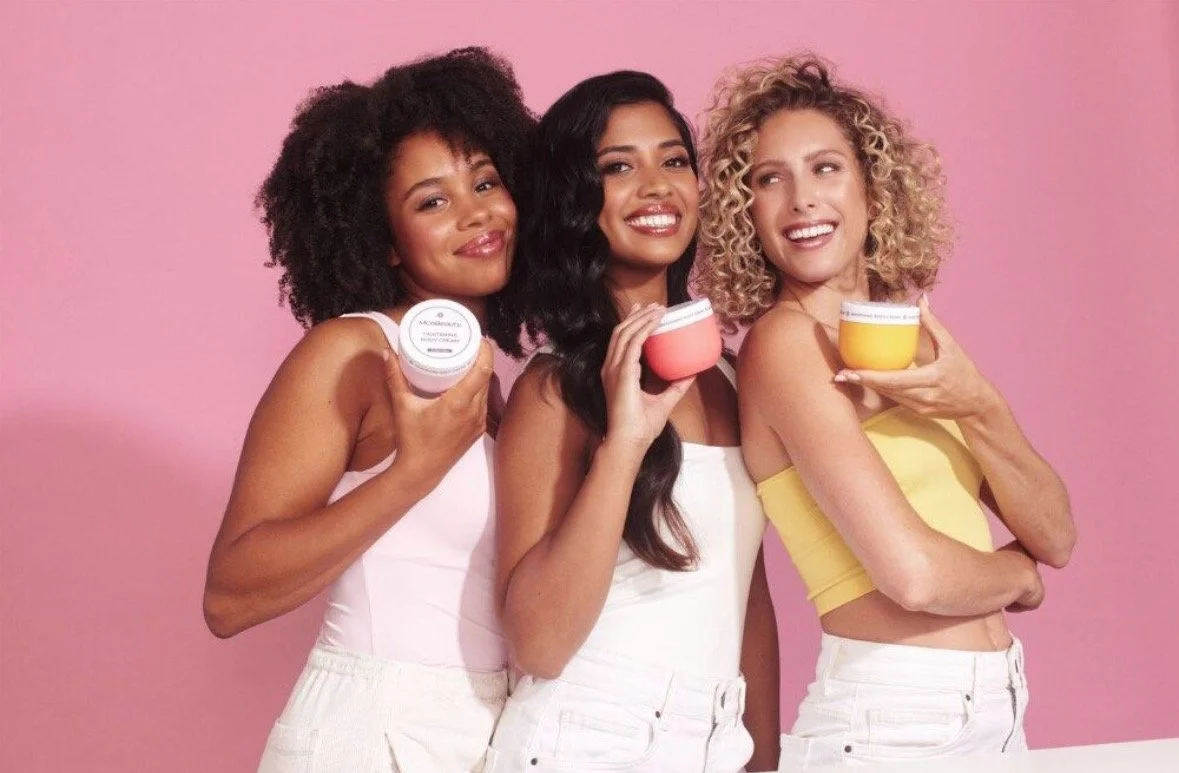
Image Courtesy: Pinterest
In the cosmetics industry, the shifting of trends is continually shaping how different products are sold to us, the consumers. In haircare particularly, what’s been considered “trendy” through the decades has fluctuated drastically from the volume-driven perm prominence in the 80s, to the sleek-seeking Keratin craze of the 2000s. However, the actual act of embracing one’s own hair type differs from that of some explosive overnight trend. Rather, it seems to be a growing consensus among audiences to nourish what they have rather than to alter it. Now, through the globalizing effects of social media, more and more people are learning how to truly care for their unique hair type, creating bigger market audiences for hair care products as opposed to a solely styling-focused industry. This has primarily been done through increased visibility of embracing different hair types, accessibility to relevant information and guidance, and using these new demands to shape a more inclusive market.
As beauty products are historically shaped by beauty standards, there is a degree of relativity that influences the standards that we idealize. Our individual role models, from celebrities to sisters, impact our own definitions and standards of beauty. Many, like myself, did not grow up seeing curly hair as something to be celebrated, but instead as something to be tamed. “Makeover” scenes in media popular for girls often portray curls to be frumpy while straight hair to be a sign of elegance. This media was only reflective of the culture it was set in, but this was the reality for many, with very few role models to look to. However, as social media is much more individualized and personal, many influencers act as positive references to show us what confidently rocking natural hair can look like, showcasing somebody beautiful with shared features. This increased visibility on social media has not only brought about a community of people who flaunt and embrace their natural hair but also inspired many others to try and do the same.
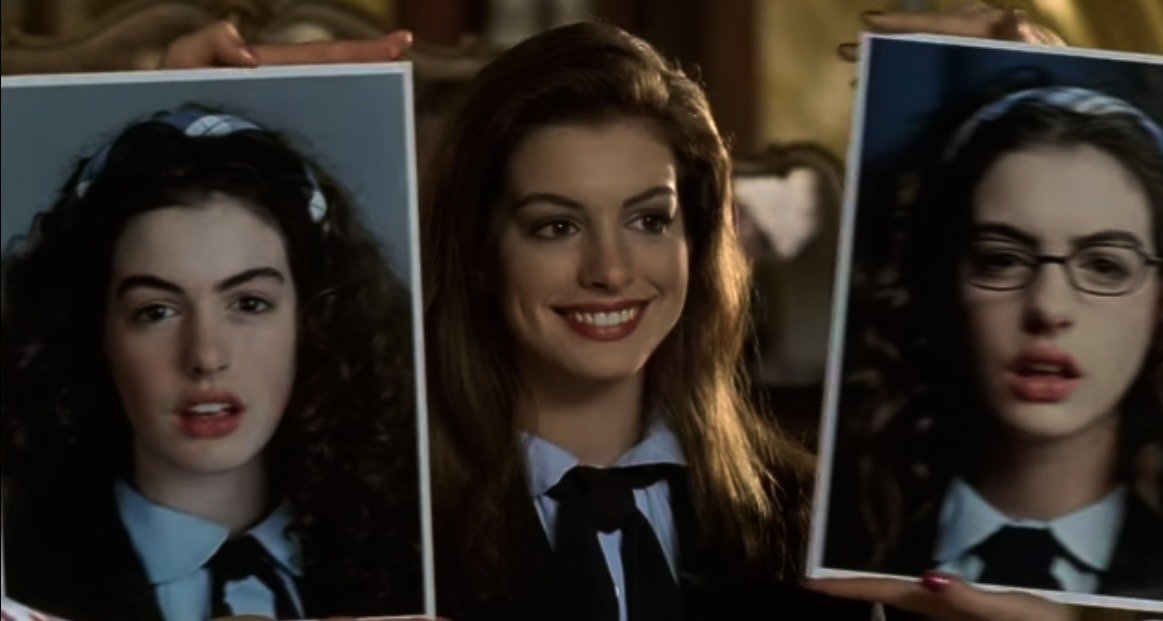
Image Courtesy: Business Insider
In a similar vein, much of the knowledge we obtain about beauty is passed down, so where there are generational patterns of altering natural hair patterns for desirability, many never learn how to care for their natural hair. Most often, we end up resorting to straighteners and such, to appear more manageable and “put-together”. Maintaining natural hair undoubtedly has its hassles, so having guidance on how to effectively care for specific hair types makes a load of difference and encourages more people to wear it out. The increased information from online sharing helps people find effective products that suit their needs. Social media accounts that share “get-ready-with-me” videos and product reviews help make audiences more aware of how much moisture might be needed, or the heaviness or lightness a product should have to effectively style and define various hair types. Informational videos that help audiences understand the classifications of curl types from 2A to 4C, varying hair porosity, and hair density make this haircare knowledge more accessible. Brands like SheaMoisture even released high and low porosity-specific lines for these audiences, showing how much this kind of information has diffused. As more and more people learn and integrate this information into their routines, the diversity and selection of these products exponentially increase, and more cosmetic brands respond.
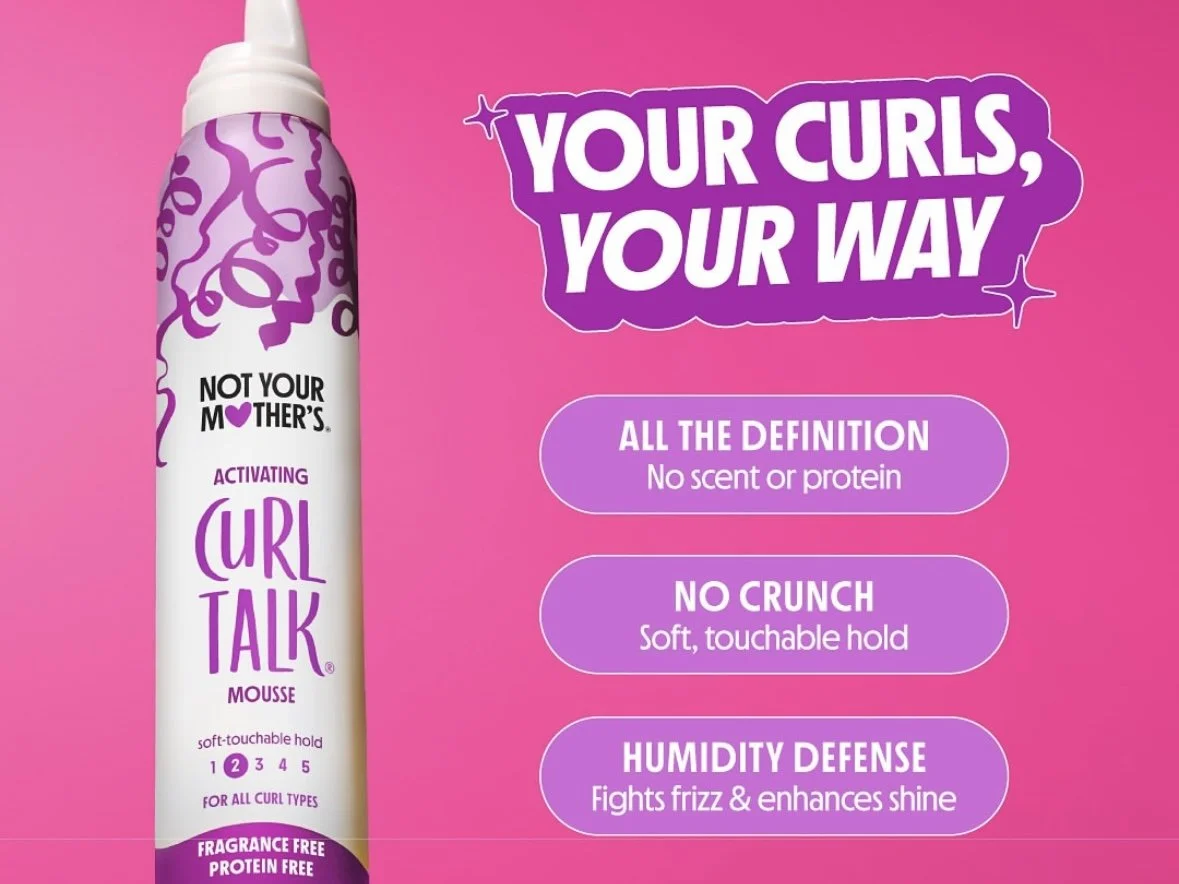
Image Courtesy: Instagram
The most notable push to change that social media has brought throughout the cosmetic industry is the effective shift toward inclusivity. Frequent and open conversations on social media about product reviews and recommendations provide a lot more market feedback than previously received pre-social media. Traditional product response data would mostly be based on the concrete sales statistics, gathered surveys, and more formal reviews like those from popular beauty publications. However, as the role of the formal critic has diminished, consumer voices have the power to hold more value and impact. The voicing of demands has had a clear effect on the cosmetics industry, like those seen with increased shade ranges in makeup brands after praise of inclusive brands and criticism of those lacking such ranges. Similarly, as more people wanted curly hair products, more haircare brands started releasing lines targeted for curls, like the very successful Not Your Mother’s CurlTalk line released in 2018. As conversations around embracing natural hair have increased, industries have adapted to keep up, truly showing the power of feedback that social media has amplified.
With the expansion of this market, more people looking to begin their haircare journey have many more open and navigable options than 20 years ago. With this increased embrace of the natural, consumers looking to feel beautiful in their own features have more opportunities than ever before to do just that. This increased confidence and growing appreciation for all different hair types continues to diversify our ideas of beauty of all kinds.
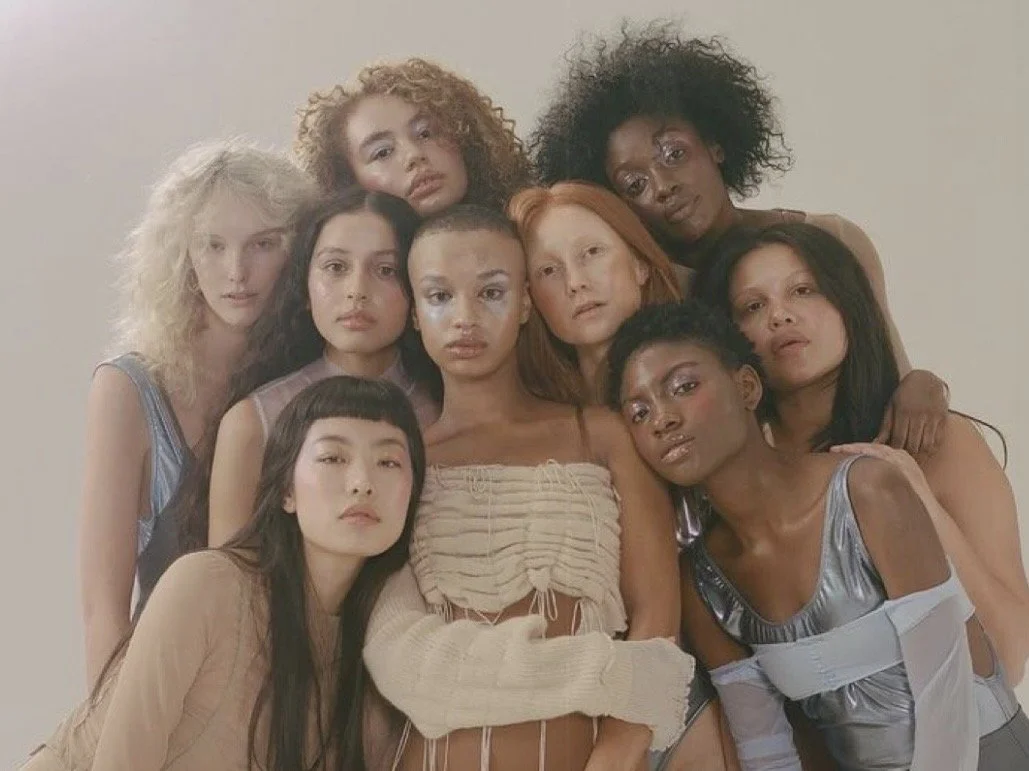
Image Courtesy: Pinterest
Strike Out,
Writer: Priscilla Rodriguez
Editor: Isabelle Kim
Graphic Designer:
Tallahassee