
The Girl Group, Remixed
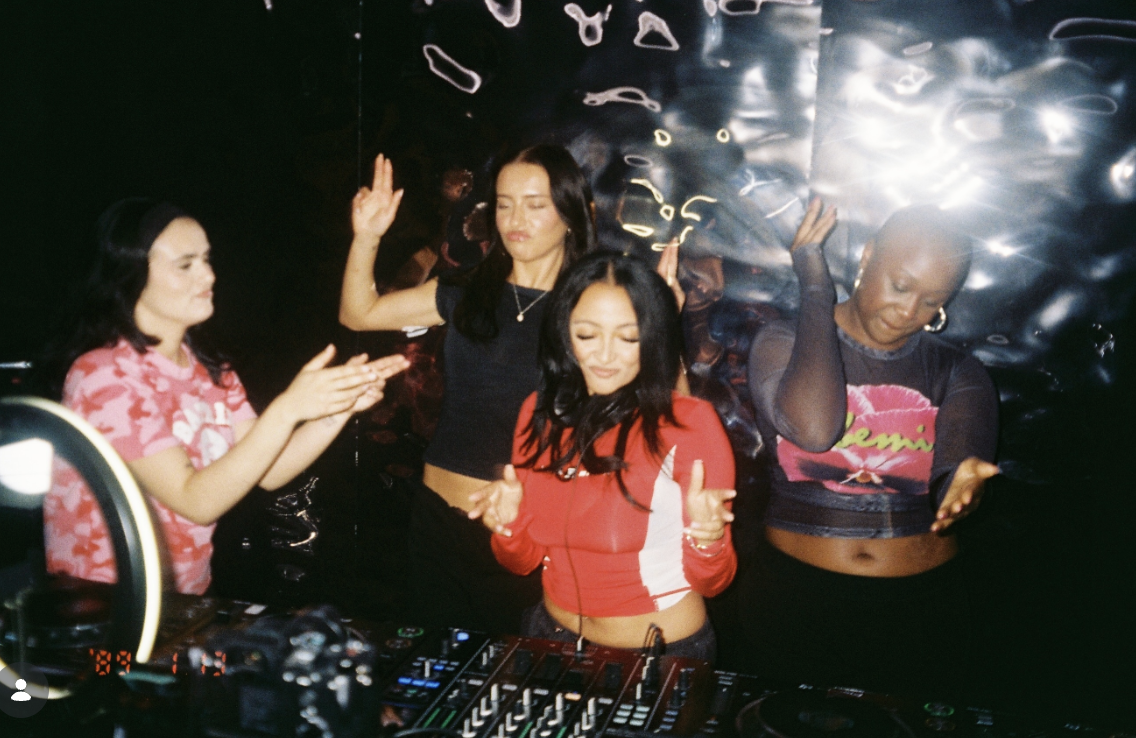
Image Courtesy: Instagram
You know a girl group when you see one: distinct personalities, coordinated outfits, and curated chemistry that let individual performers band together to create something new. From Spice Girls to Katseye to Destiny’s Child, the girl group has long held a place in popular music. Traditionally, this formula has been applied to microphones and choreography on stage, with each member contributing through vocals and performance. Now, some of that same dynamic is appearing somewhere less expected: within the world of house and electronic music. Female DJ collectives work in a different way, replacing assigned verses with track selection, musical taste, and the energy shared within the group.
Up-and-coming female DJ collectives such as Girls Don’t Sync, MESTIZA, and Coco & Breezy are taking characteristics historically associated with girl groups and applying them to a different sort of music and performance. What makes them feel like modern equivalents of the girl group is not just that they perform together, but that each collective builds its draw around a recognizable visual identity and a sense of connection that audiences can become invested in. Their differences are part of the attraction in that each member brings her own taste and persona while still contributing to a larger and cohesive image. Historically, when the right group of girls comes together, the collective has the opportunity to become more than the sum of its individual members. In house music, there is less emphasis on individual vocal moments and more emphasis on each girl’s style and persona, making their sets visually appealing and modish when they take the stage as a group.
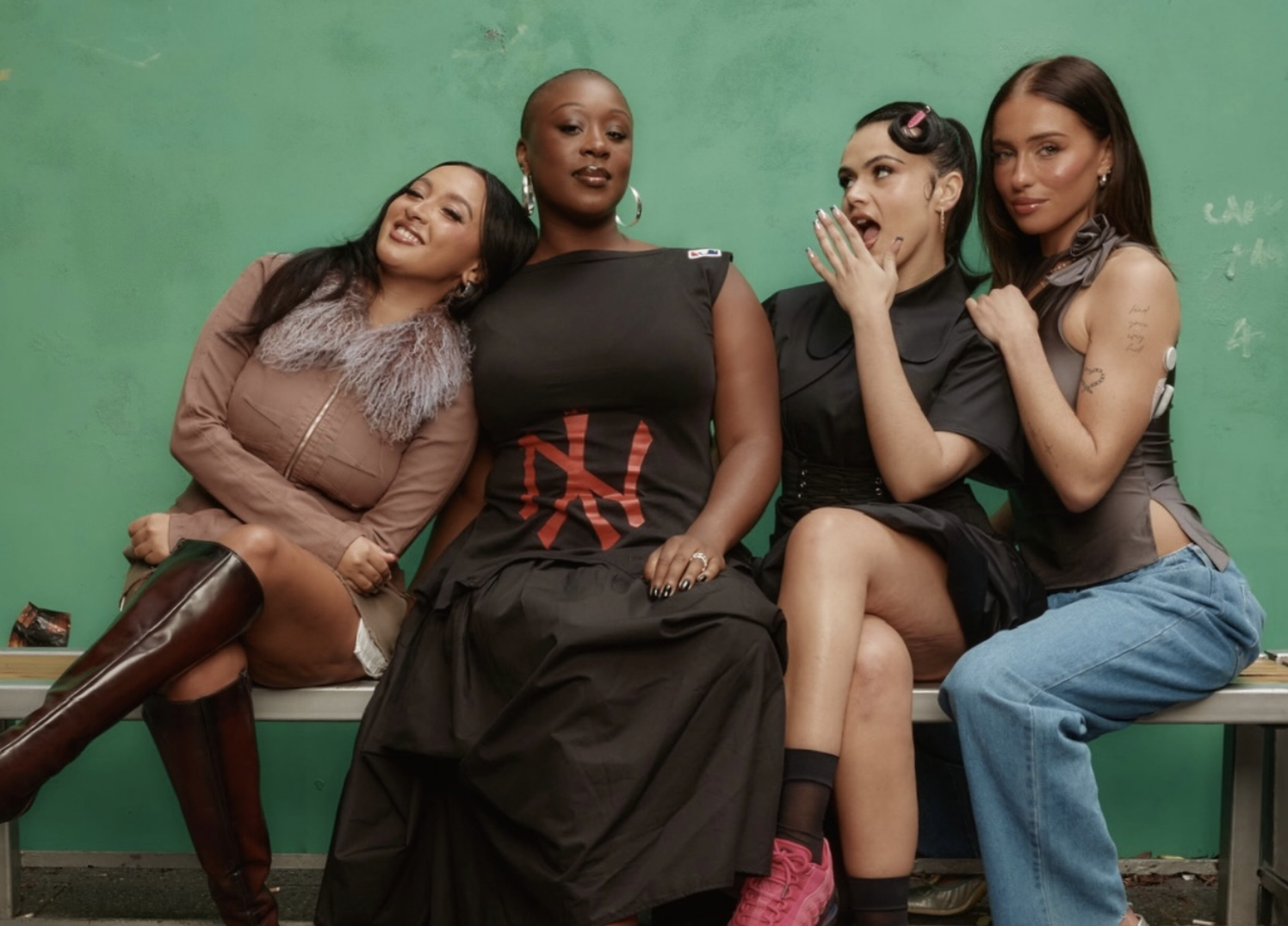
Image Courtesy: Instagram
Girls Don’t Sync, a UK-based DJ collective, brings this concept to fruition in their performances. The four members, Matty Chiabi, Gaia Ahuja, Sophia Violet, and Hannah Lynch, each bring different influences to the table. Their sets move between genres such as hard house, rave, and garage. Instead of flattening any of their different styles to create a uniform sound, the group embraces these contrasts to make for an intriguing listening experience.
Girls Don’t Sync’s sets lean into this vibe of unpredictability. The members often post about how they do not rehearse their performances together prior to getting on stage, meaning none of the members have a concrete notion of how their show will progress. They welcome the idea of not perfectly syncing up, letting their instinct shape the set in real time. The audience gets to experience a performance that feels less like a pre-curated DJ show, and more like a night out with friends who are controlling the aux.
The dynamic feels very connected to the girl group formation in the way that each member is unique and brings their talents to the larger collective, allowing fans to engage with the collective beyond the music itself. There is a reason that many fans identify their favorite performers and become invested in the friendship dynamics, spurred by the contrasting styles of the members. Those individual tastes give fans something recognizable to attach to each member, while still allowing the group to maintain one shared brand. Beyond the sets, the differences between individuals in the collective allow for a variety of styles incorporated in the songs and edits that they release, giving the group a sound that feels layered and sophisticated. Girls Don't Sync works as a collective dynamic because the music makes their differences audible, even without using their own voices.
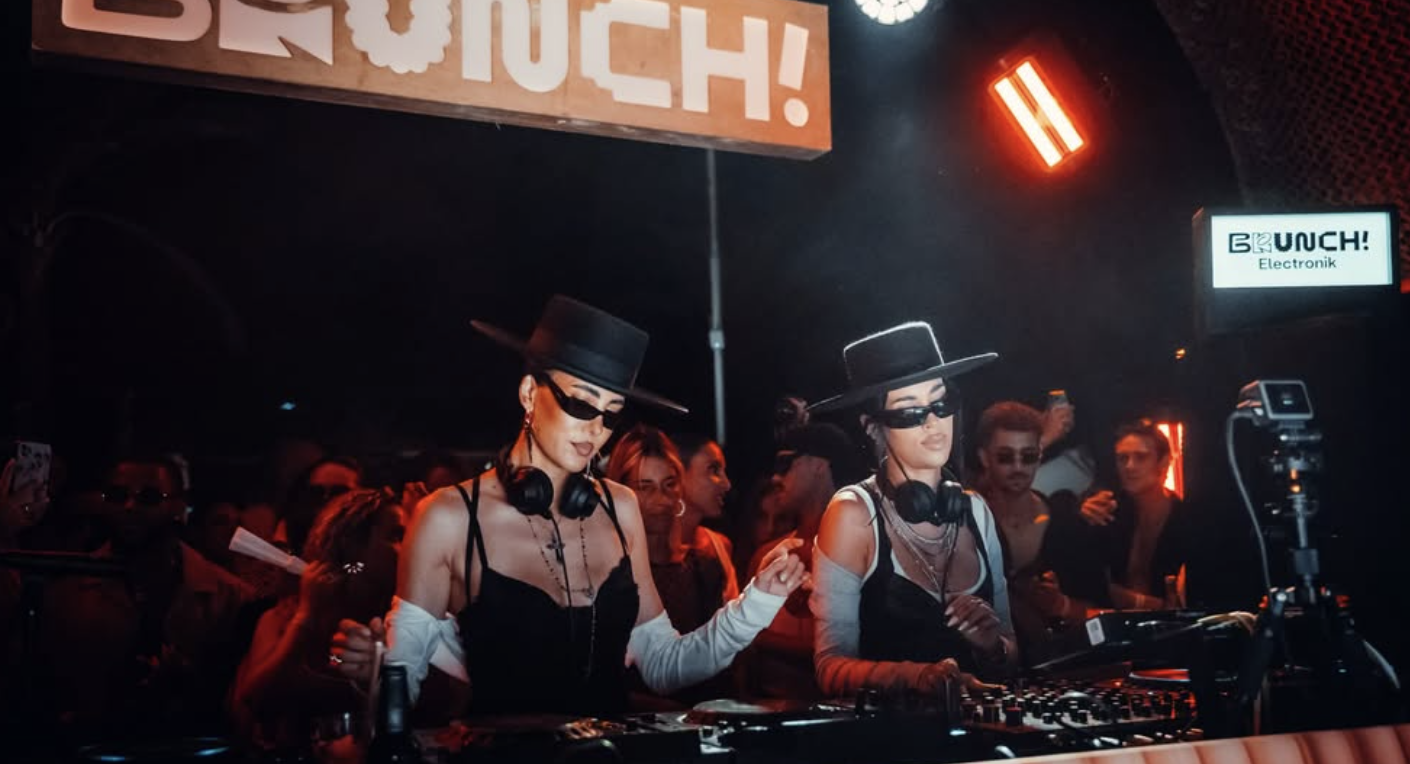
Image Courtesy: Instagram
MESTIZA takes the same idea of the girl group, but leads it in a different direction. Spanish artists Pitty Bernad and Belah create their music around the joining of electronic music and flamenco. They reach beyond this, incorporating fashion and performance in a bridge between house music culture and Spanish tradition. MESTIZA builds a curated world with flamenco-inspired silhouettes as well as contemporary movement, making for a visual identity that feels intentional and futuristic. Similar to a traditional girl group, the appeal comes not only from what their music sounds like, but also the world they create surrounding that sound. Their styling makes each performance feel more immersive, turning their cultural references into a visual approach that is recognizable before the music begins.
Their ensemble has been brought to major international stages, such as Hï Ibiza, Sziget Festival Budapest, and Coachella. Rather than adjusting themselves to fit each stage, MESTIZA carries their own world with heavy red lighting and bold, dramatic makeup. Through this, they form a coordinated aesthetic and recognizable identity that has long defined pop groups. The difference lies in that MESTIZA shifts this concept into the realm of electronic music, making the unity of their group built through atmosphere and shared artistic direction.
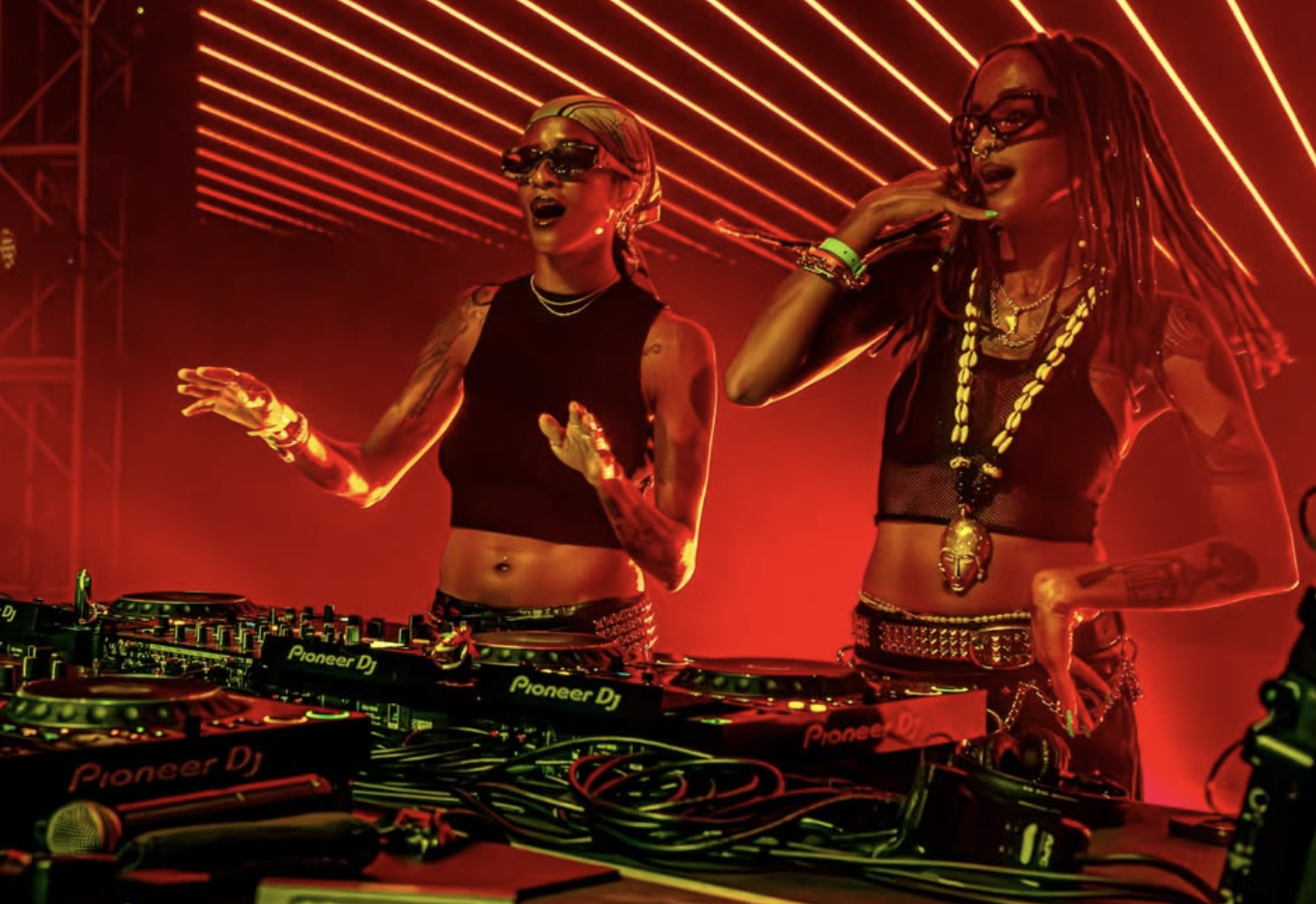
Image Courtesy: Instagram
For Coco & Breezy, identical twin DJs, chemistry is perhaps one of the most important aspects of their partnership. Working both as global fashion designers and rising house music producers, their synchronization is key to their act. That fashion background carries directly into their DJ brand, where style is crucial to their sets. Coco & Breezy curate a recognizable look with mixed metals and leather garments. They approach DJing as a performance, their sets commonly involving dance and reactions. Instead of shielding them from the audience, the booth becomes their spotlight and stage. In this way, their sets feel different from the traditional image of the DJ. An appeal of the girl group comes from the mutuality of watching a group experience the music beside you. Coco & Breezy bring this feeling to their sets, and their connection to one another is a part of the show. Much like the traditional girl group, their connection and synchronization allow the audience to feel that they are witnessing the interactions in real time, instead of just a polished act.
Girls Don’t Sync, MESTIZA, and Coco & Breezy each approach electronic music differently, but together reveal how flexible the idea of the girl group can be. These groups demonstrate how individual taste, distinct visual worlds, and synchronized performance can all be central to the act. The traditional model spans further than just harmonies and choreography; a large part of its attraction relies on a balance between individuality and unity, and these collectives show that this balance can function just as effectively outside of pop music. The differences between these collectives suggest that the girl group is less of a genre-specific formula than a way of creating collective identity. Though we might have certain expectations when we hear the term “girl group,” the concept becomes about chemistry, brand, and the energy that manifests when the right group of people shares a stage. The legendary idea of the girl group lives on, this time from behind the booth.
Strike Out,
Writer: Lilie Theby
Editor: Alexia Cretoiu
Graphic Designer:
Tallahassee