The Unholy Trinity
I have been poked, prodded, and torn apart by the words of women.
Everyone has their own private canon, that’s something I believe. A collection, formal or otherwise, of books, poems, and stories that have changed them ad infinitum. Mine lives consolidated on a shelf, glowing and together. When something is not quite my way—when the words become unnatural and painful—it’s as if they start to hum… The words float off their respective pages and, like magic, seep into the ink of my pen.
Three luminaries in my tiny and mighty canon are as follows: Anaïs Nin, Toni Morrison, and Clarice Lispector. Others include Julia Kristeva, Eve Babitz, Joan Didion, the Brontës, and Gloria Anzaldúa. That said, this unholy trinity (Nin, Morrison, and Lispector) remains foundational to my personal canon.
These women are obsessive. Fealties to magic, contradiction, pains– these three literary and scholarly giants built worlds. Nin and Lispector’s devotion to feeling, different, yet not, and Morrison’s focus on the woman’s body in text are riveting.
Anaïs Nin
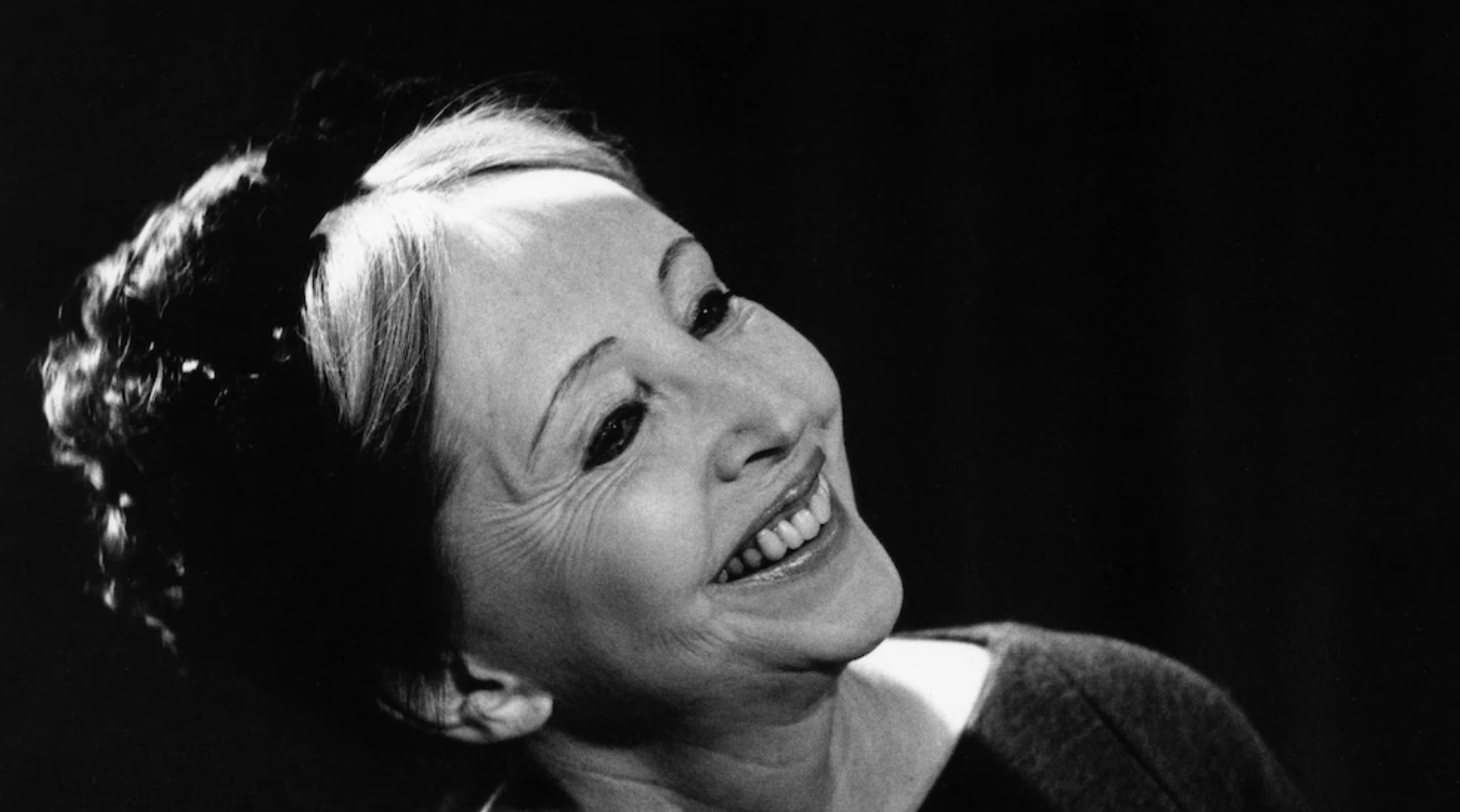
Anaïs Nin in 1974 by Louis MONIER/Gamma-Rapho | Getty Images
As described by Susan Sontag, Anaïs Nin was “very startling– pixie-like, other-worldly.” Volume 1 of Nin’s diaries changed my life. Detailing her intricacies, friendships, affairs, Nin created a world as clear and sparkling as water. Connected zodiacally (and by life path), I felt as if, through the ink-printed letters, Anaïs Nin, long gone, reached and reached. A Michaelangelian scene: her fingers just barely brushed mine… For Nin, writing was a means of construction- a construction, or reconstruction, of the self. Later it became so for me too.
Anaïs, her honesty, intensity, pleasure, all present in every text. Her commitment to pleasure, to complexity, astounded me. Nin had the audacity to love. To take off her metaphorical clothes and swim in the deep waters of consciousness– hers and otherwise.
“I must be a mermaid, Rango. I have no fear of depths and a great fear of shallow living.”
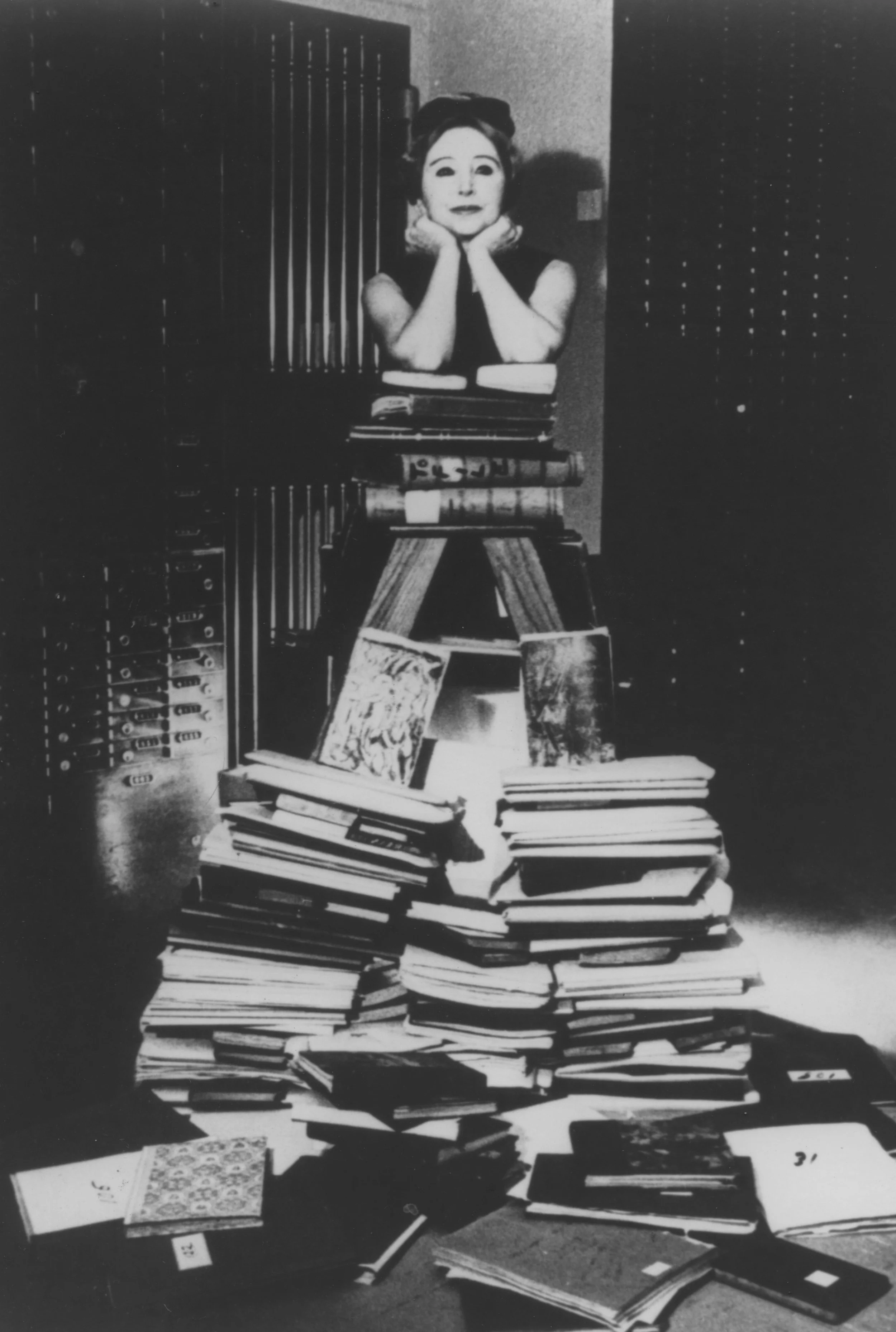

Anaïs Nin and her diaries | The Anaïs Nin Foundation Press Kit
Fearless, Nin wrote and wrote and wrote… She wrote about absolutely everything. Every emotion, every wrongdoing, she made it beautiful– zoomed all the way in and made every speck of dust its own mystical, twinkling world. When reading Volume 1, you become enveloped by her– trapped and free, lost and found between Nin’s fingers. June becomes compelling, even in her turbulence, the makings of a muse– you feel everything Nin does, as if you too share the kisses, feel the pangs, and discover the betrayals.
Nin herself seemed made of pixie dust… In a 1970s interview, Anaïs Nin brushes over her recent health issues– she calls the hospital “life, completely raw.” Initially, feeling she could not “transform, fix, embellish,” the experience, Nin does not succumb– she wears a bright red cloak to the hospital, to “enliven” the hospital… She then tells the interviewer that amongst the hospital goers were members of a nearby tribe whose leader was being operated on– the tribe members had to stay near the leader throughout his operation. In sickness and in health, the life of Anaïs Nin’s becomes enchanted because she makes it so– the dream comes to her.
Nin’s diaries were fancies that she could afford, she says. By being so intimately involved in her “human reality,” she allowed herself the space to dream. To go beyond the human reality and hold hands with the surreal. We should know many excerpts from Anaïs Nin’s diaries are embellished, beautified, imagined versions of what actually happened… Does that make them any less real? If to capture the essence of an experience- of a truth- we must add, subtract, and multiply, does that make the truth less of itself?
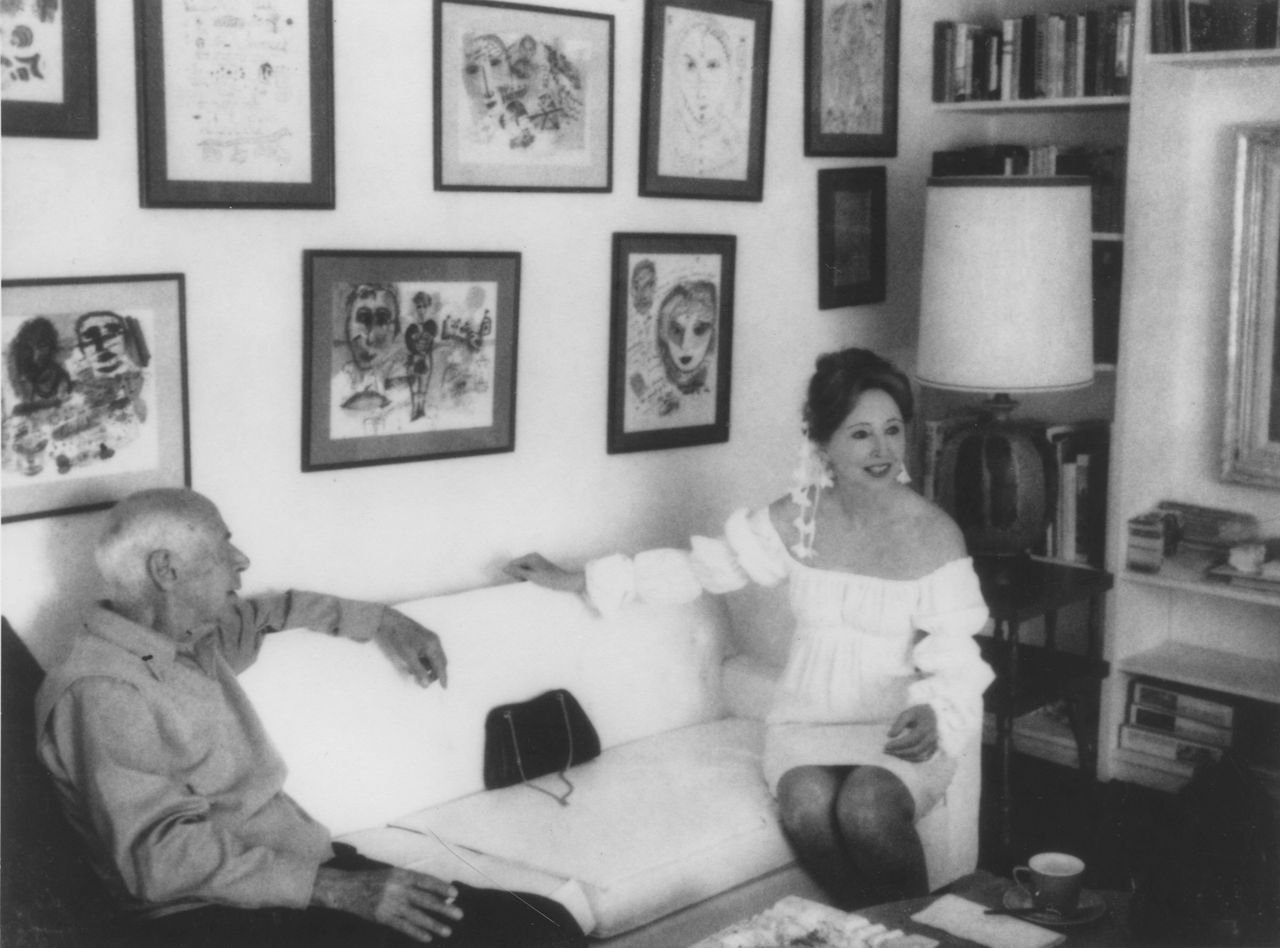
Anaïs Nin and Henry Miller in the 1960s | The Anaïs Nin Foundation Press Kit
The Sun and The Magician, fitting major arcana for the ever-enchanting Anaïs. Architect of worlds, mother and teacher. Nin’s surrealist reality was and remains delicately brave. A tender explosion of color, a veil of sparkling smoke. Nin’s worlds are Agarthan in nature– they seem to hold all the answers, known and forgotten. Her contortions of the truth prove especially invigorating… By making the stories less true, they become more so. Excavating, building, and exalting, Anaïs gets down to the marrow of the experience. This addiction to the phenomenology of life is what makes Nin’s canon as arresting as it is.
“Reality doesn't impress me. I only believe in intoxication, in ecstasy, and when ordinary life shackles me, I escape, one way or another. No more walls.”
Anaïs Nin’s commitment to herself, to her truth– even if her truth came at the expense of other truths– is exhilarating. Release all inhibitions– truth and all– and allow your spirit to tell the story, that’s what Nin’s writing says.
Toni Morrison
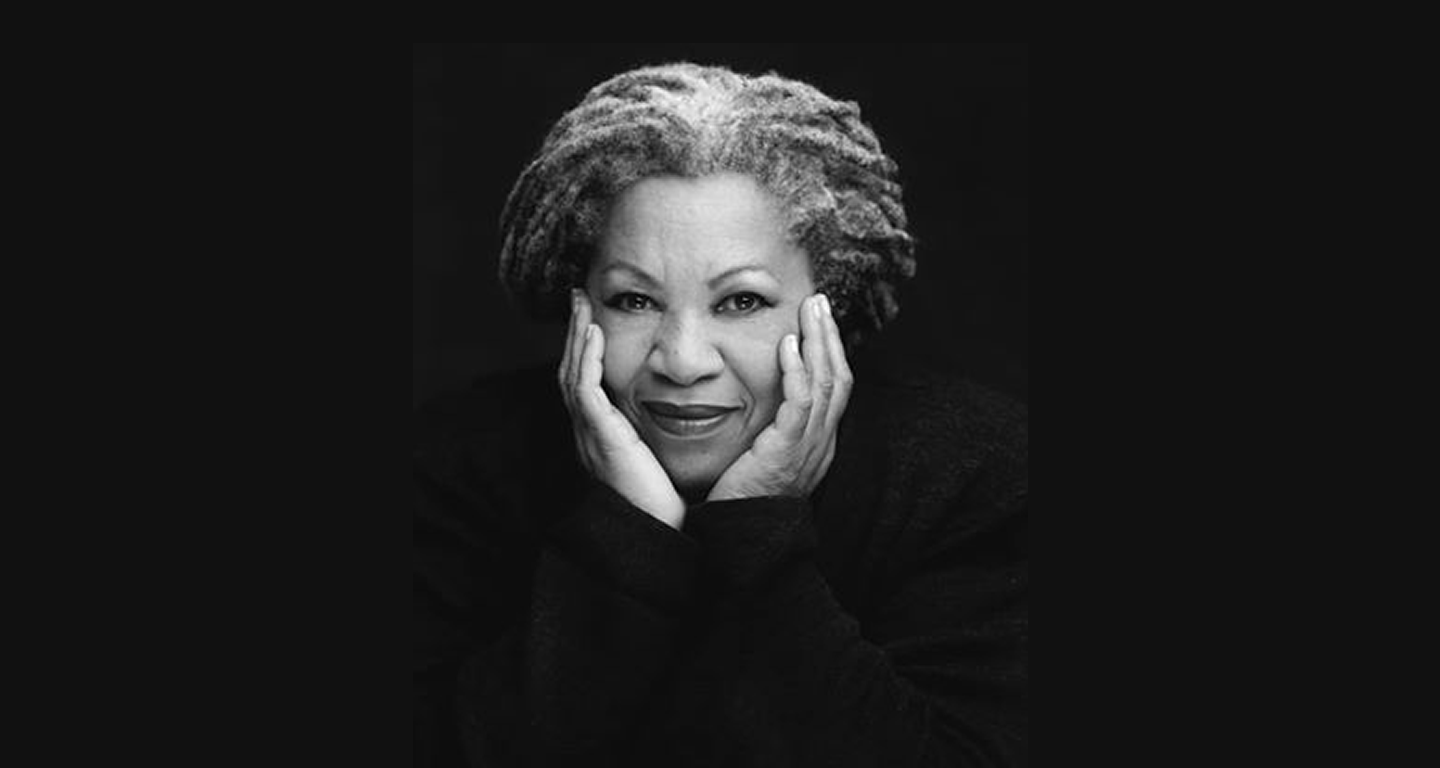
Portrait of Toni Morrison | National Urban League
Reading Beloved for the first time in high school was kind of like being a baby held up to the ceiling of the Sistine Chapel.
Never had language been so vibrant. The words became bolded, so poignant you could smell them through the page. Tuberose and concrete. Rose and dust bunnies. Morrison’s haunted house has haunted mine for nearly four years. Morrison’s cadence is unforgettable, unbelievable, unmatchable. A true sculptor, Morrison’s hands are caked with the clay of the English language.
Toni Morrison gets to the heart of the uncomfortable, grim corners of the psyche. She flows through the blood of slavery, hauntings, racism, and love with a rich, smooth tongue. She takes us into the dark alleyways and backstreets of the mind, shows us about ourselves, about our loves, our pains. Every single Morrison novel torses language in surreal ways– The Bluest Eye, specifically, plays with sentence structure and repetition, and imagery in most unthinkable ways.
“Make up a story... For our sake and yours forget your name in the street; tell us what the world has been to you in the dark places and in the light. Don't tell us what to believe, what to fear. Show us belief's wide skirt and the stitch that unravels fear's caul.”
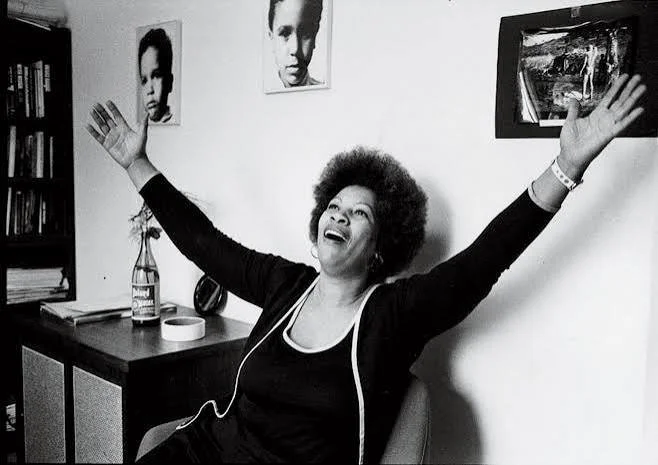
Toni Morrison in 1974 | Interview Magazine
A true Aquarian, Toni Morrison is unorthodox. Thick as honey and sweet as poison, Morrison does not shy away from the darkness– she invites it. She does not dress up pain in beautiful cadence and ruffles to hide it, but rather to accentuate it. Beloved, bursting at the seams with hurt, is one of the most beautiful novels I have ever read… Despite the tragedy—the mother’s pain, the slave’s pain—there is so much glowing, gleaming love.
“Love is or it ain't. Thin love ain't love at all.”
Life is red with pain. Red with love too. Fair as Themis’ scales, Morrison balances this unerringly. In 1978’s A Day with Toni Morrison she reads excerpts from Sula and The Bluest Eye and she is just magnificent. Throughout this reading we really see her literary play at work– her voice, plush and warm, and the words, jaggedly tender. Almost as if the sentences never end, she goes on and on, and we follow. A modern Charon, Morrison’s world ensnares you. The horrors, the fears, they become so visceral that you too can taste the blood in your mouth, the spite. Toni Morrison did not have to rely on wolves with shiny, wet teeth or swamp beasts beneath the algae… The realities of slavery, of racism were horror enough.
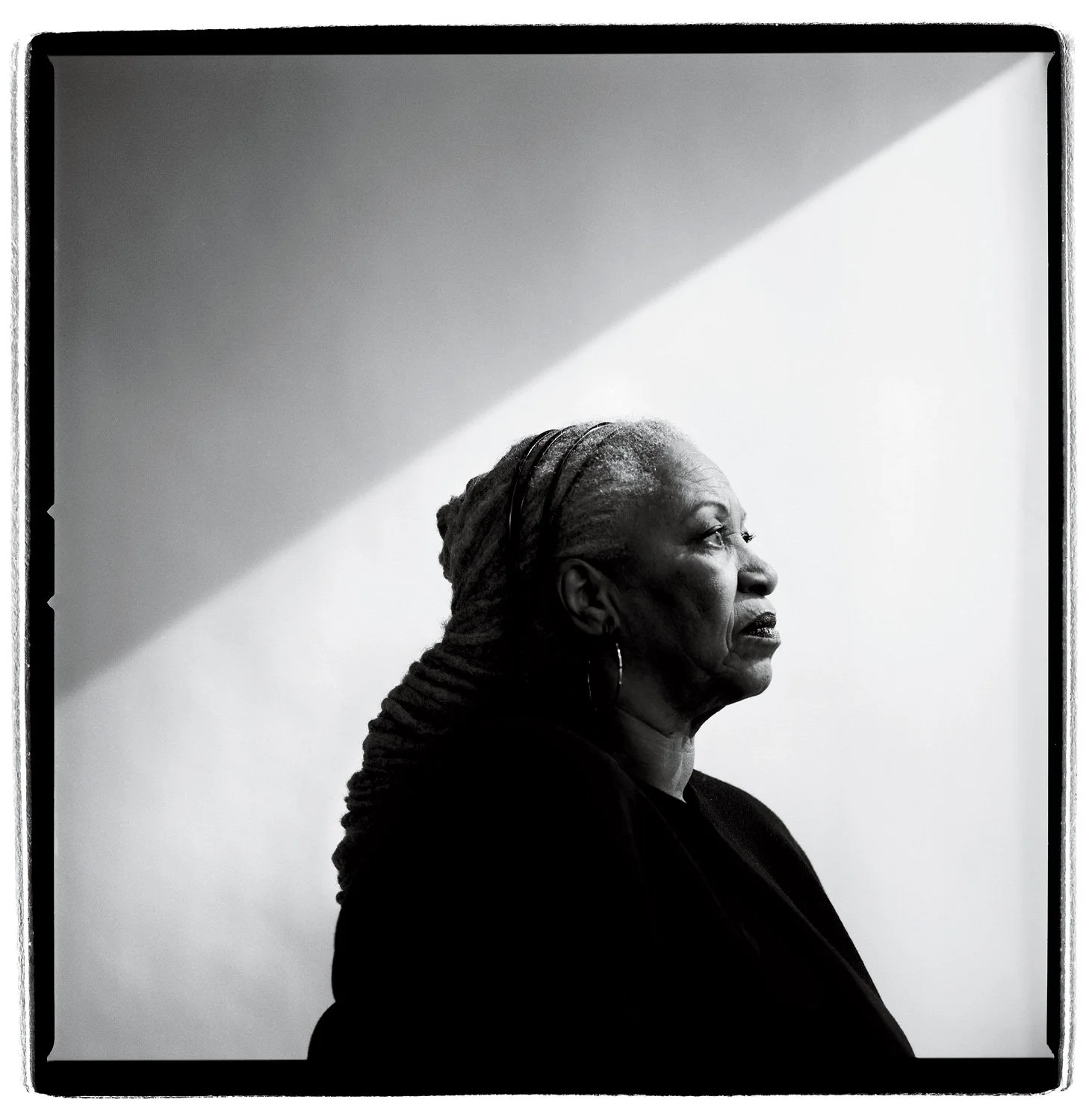
Toni Morrison in 2008 | Interview Magazine
Engineer of the Southern mystic, Toni Morrison weaves Americana realism with folkloric textures… It makes you question how separate they really are. Deep are the roots of mysticism in the South, flooded with ancient magic is the land and the pen.
I revisit Toni Morrison every Fall, like prophecy. A haunting homecoming, my Morrison collection is bursting at the seams with inked-up margins, makeshift bookmarks, and dogears so old they’re ripping at the edges.
“You have to have the love, and you have to have the magic.”
Toni Morrison Forever.
Clarice Lispector
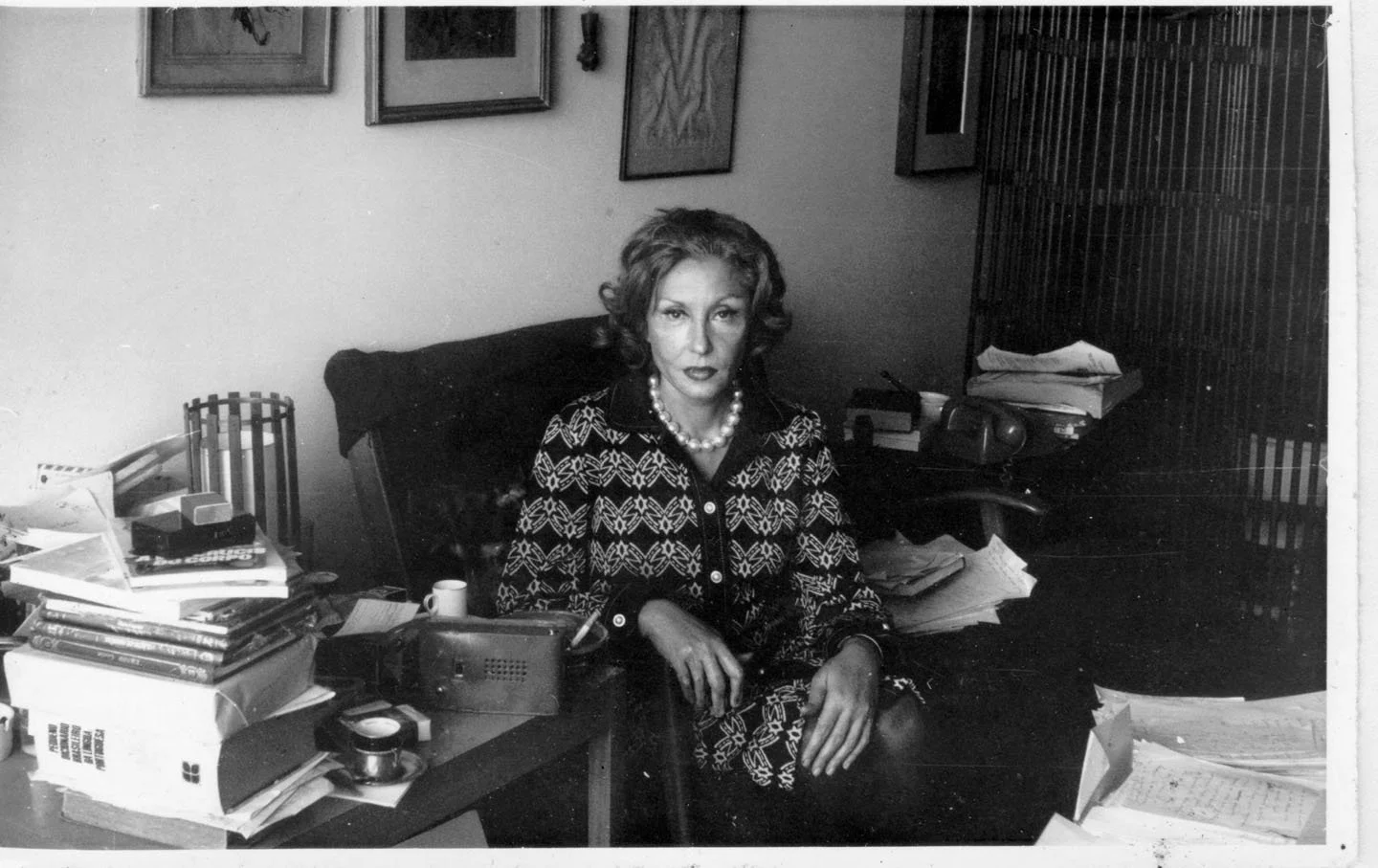
Clarice Lispector in the 1970s | Museu-Arquivo de Literatura Brasileira/Paulo Gurgel Valente
Intensity takes human form in Clarice Lispector. A double Sagittarius (Sun and Moon) with a Scorpio Mercury, Lispector was born to deconstruct. Untamed writing, like wild magic. Água Viva or The Stream of Life is, hence the name, a most liquid, transformative piece. Here, consciousness flows through forms of matter, solidified, cavernous, and suddenly free as air. Lispector takes stream-of-consciousness writing to another level…
Rough and unpainted–brutalist– are her excerpts. Meditations on time, nature, life turned visceral and red-raw under Lispector’s pen. A seeker, thinker, truth-investigator is Clarice Lispector (a Life Path 7)...
“I am obscure to myself. I let myself happen. I unfold only in the now. I am rudely alive.”
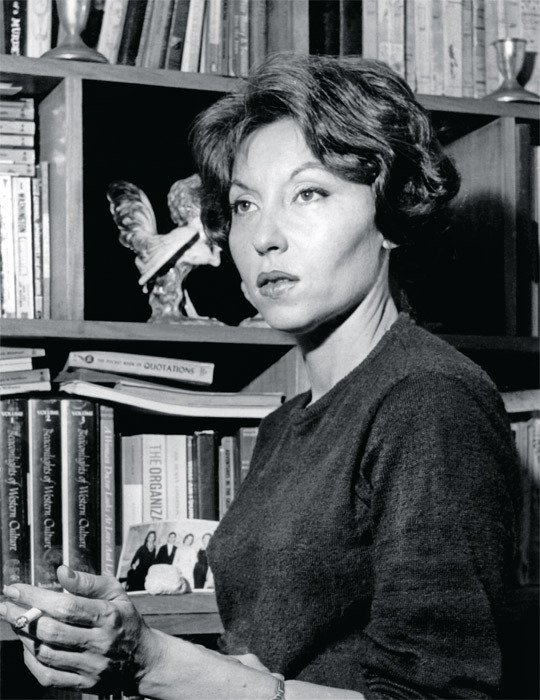
Clarice Lispector on Christmas Eve in the 1960s | BookForum
Prima facie, Lispector’s work is Nietzschean: Disruptive, becoming, sensuous and somatic, animalic, phenomenological. After some tender attention, you’ll find a compelling cocktail of philosophies. This is not to say Lispector was writing after or with these philosophies in mind, rather, it is to say that her texts are incredibly rich in introspection and deconstruction…
She is increasingly Derridian and almost Hegelian in form. In Lispector’s writings, meaning always seems to slip away (Derrida to a T)...Her concepts, as she writes them, cannot be captured by language– she says so herself. It’s about the feeling; the feeling contains the meaning. The contradiction finds its home nestled between paragraphs of Água Viva and G.H. and every other Lispector text. This Aquarian contradiction floats through the Lispector canon effortlessly, coasting through the world of Hegel right through the hand of Lispector and then into the souls of readers.
“What I’m writing to you is not for reading— it’s for being.”
Mistress of the void, Lispector’s texts dismantle the classic consciousness. Lispector does not hold our hand through the dark, instead she stands behind us and pushes hard– pushes the reader deeper into the darkness of the mind.
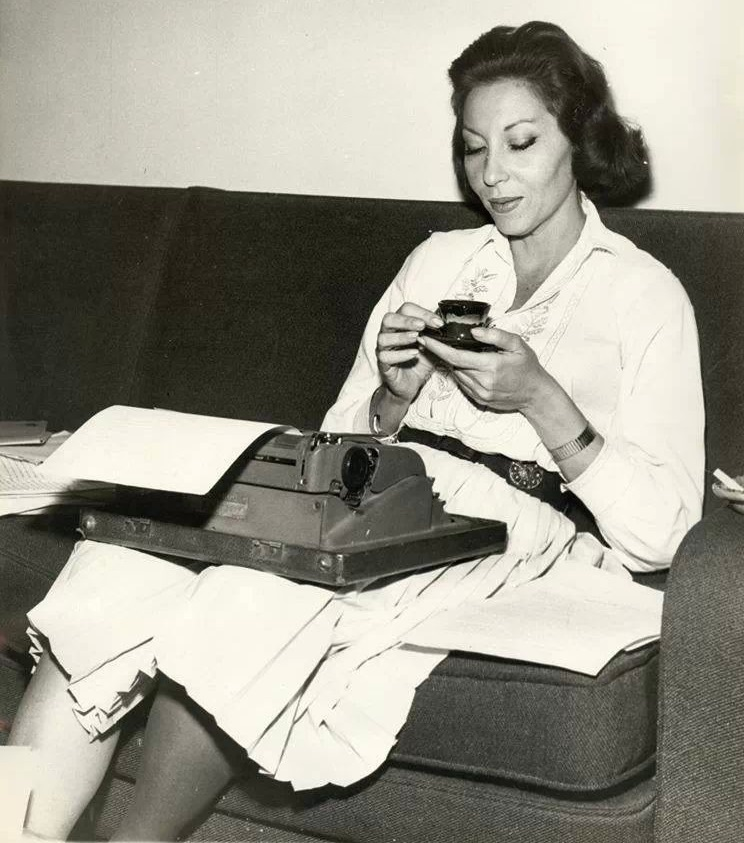
Clarice Lispector Working, by Paulo Grugel Valente | The Paris Review
What do you think? How do you think it? What does it look like?
Clarice Lispector, much like Água Viva’s narrator, texts become visual– like paintings– they become an experience. Unloading the feeling, lowering it upon your sternum and forcing its way in.
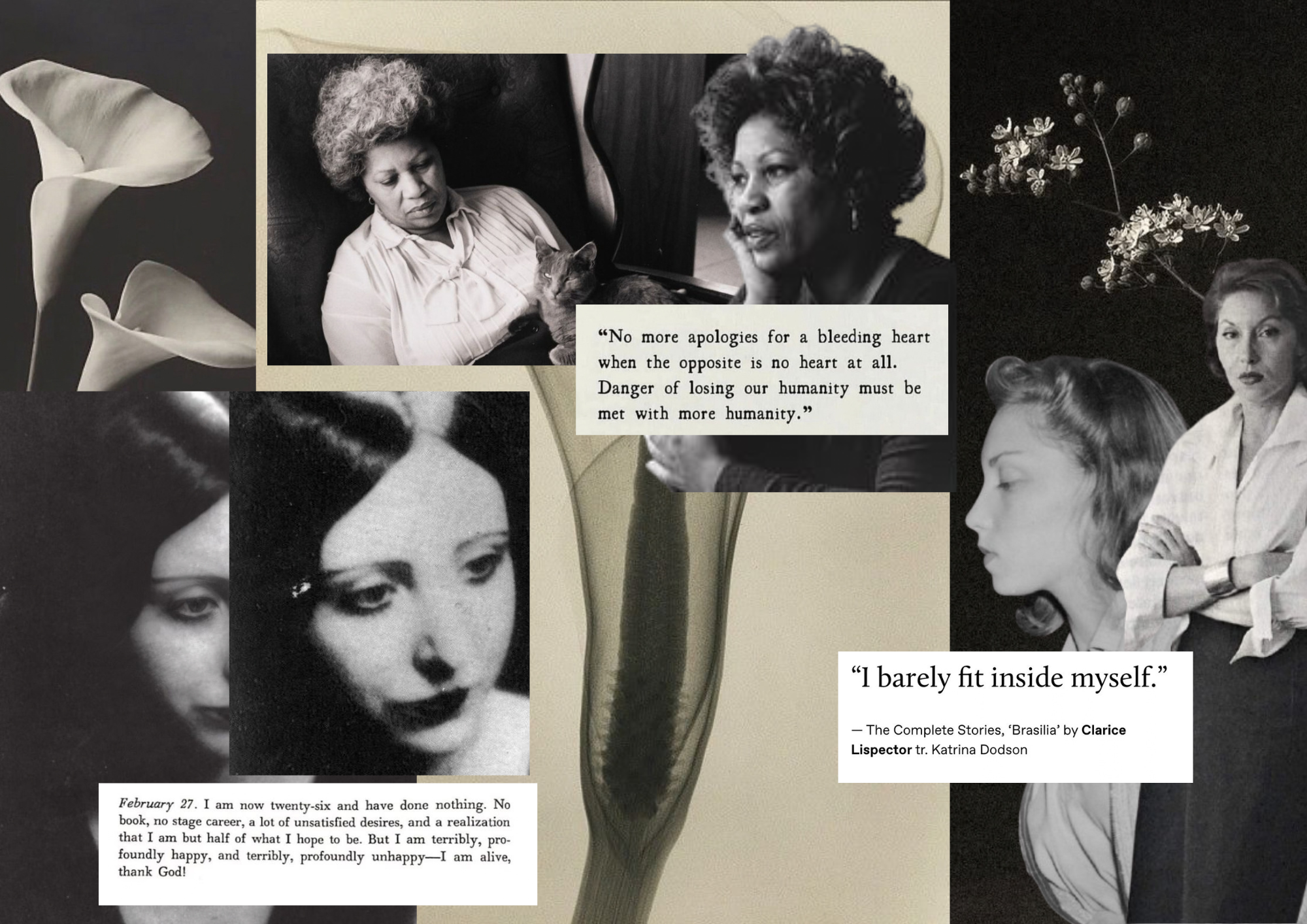
Unholy Trinity Collage | Original Picture Courtesy of Anett Martin Sosa
Three of many, these women have changed my literary world, and will eventually change yours too.
Strike Out,
Anett Martin Sosa
Miami
A surrealist at heart, Ani Martin Sosa is a graduate student studying Women (& Monsters) in English Literature at FIU. She is a Joan of Arc enthusiast with an aversion to too serious people. On her Substack, Booksmart, she talks about whatever she wants.