
When Art Becomes Content: The Venice Film Festival
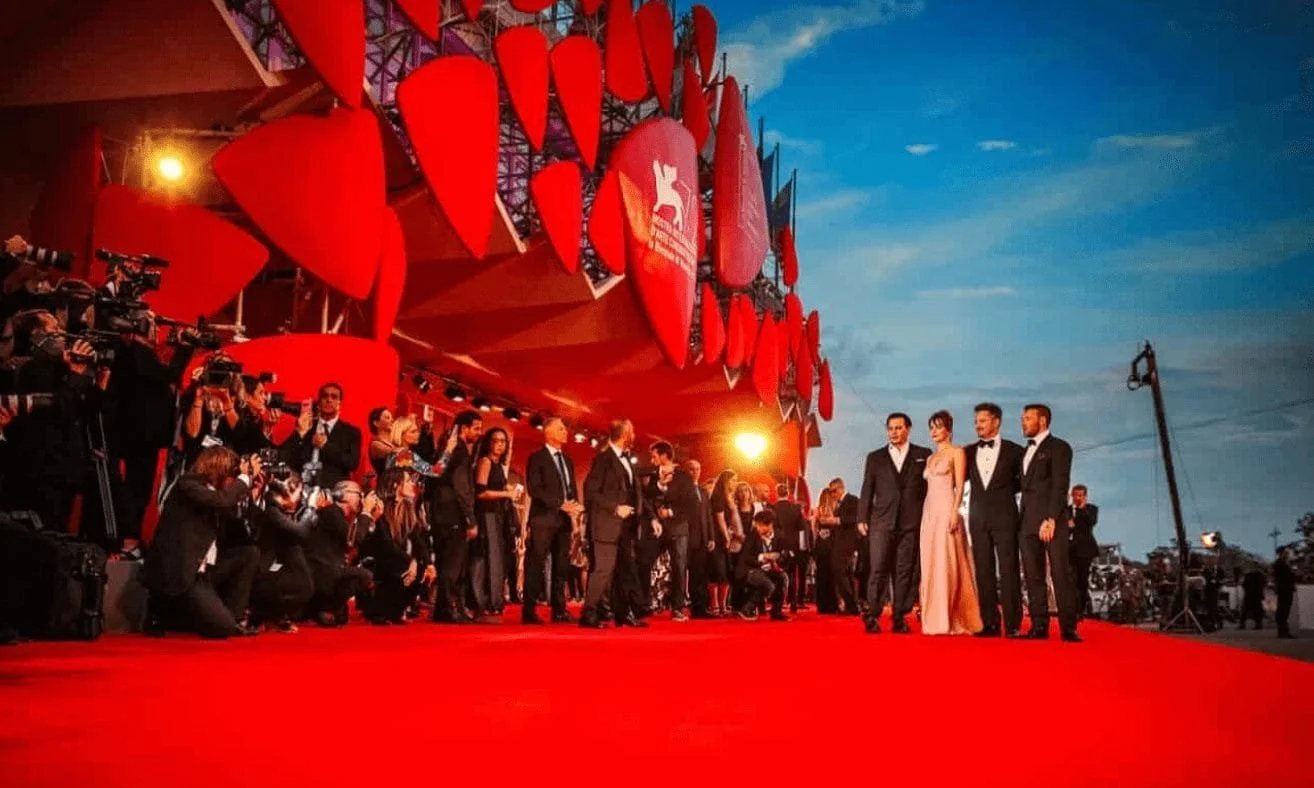
Image Courtesy: We The Italians
The Venice Film Festival is currently being held in Venice Lido but you don’t have to be in Europe to experience the magic of the festival. By the time a film premiers on the big screen, the most memorable moments of the festival have reached millions. Celebrity appearances, and best dressed guests circulate social media feeds and often receive more attention than the films being premiered.
Founded in 1932, The Venice Film Festival is the world’s oldest film festival. Recognized as one of the “Big Five” film festivals alongside Cannes, Berlin, Toronto, and Sundance. The Venice Film Festival is hosted with the intention to raise awareness around and promote cinema. The Venice Film Festival is not just a series of movie premieres, it is a space for filmmakers, critics, actors, and fans to gather and appreciate the art of film.
Social media, however, has transformed how art is experienced.
Attending the festival today does not necessarily mean watching a series of films. For many online viewers, festivals and red carpets are consumed through fragments. Thirty second clips of actors arriving or a designer’s Instagram post, being viewed at one’s leisure. For the majority, the festival has become a series of viral, entertaining moments made to be seen and shared as opposed to an event made to appreciate an art form.
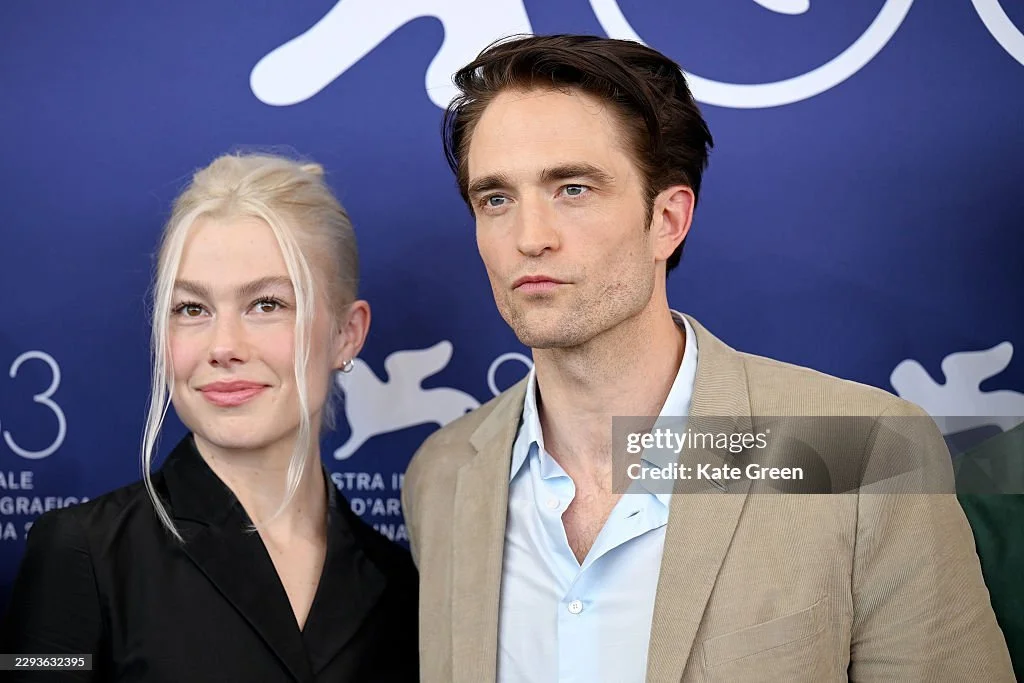
Image Courtesy: USA Today
This is not to say there’s something wrong with the festival being publicized on social media. Social media has made art such as cinema more accessible for everyone. People who may never have the chance to visit Venice or attend anything the festival can learn about the films being shown and participate in conversation surrounding the film festival. One post can introduce millions to new directors and films they may not have heard of otherwise.
The problem instead begins when the content surrounding a film takes priority over the film itself. This raises the question: What happens to art when everything surrounding it becomes content of its own?
Social media can influence how an audience feels about the films before they are even watched. A film may become associated with the actor’s outfit from the festival, or a moment from an interview as opposed to the film’s story and artistic value. Sometimes, audiences form opinions based on a few seconds of content, creating viewpoints that have little to do with the film itself. In this way, social media does not simply document the festival, it shapes how the festival and its films are perceived by audiences who experienced the festival online.
Social media itself does not destroy art. It changes what captures our attention. Cinema can take time to digest. Films shown are often made to make viewers think, feel, and get outside their comfort zones. Social media, on the other hand, encourages quick reactions and opinions, focusing on the novelty of the event.
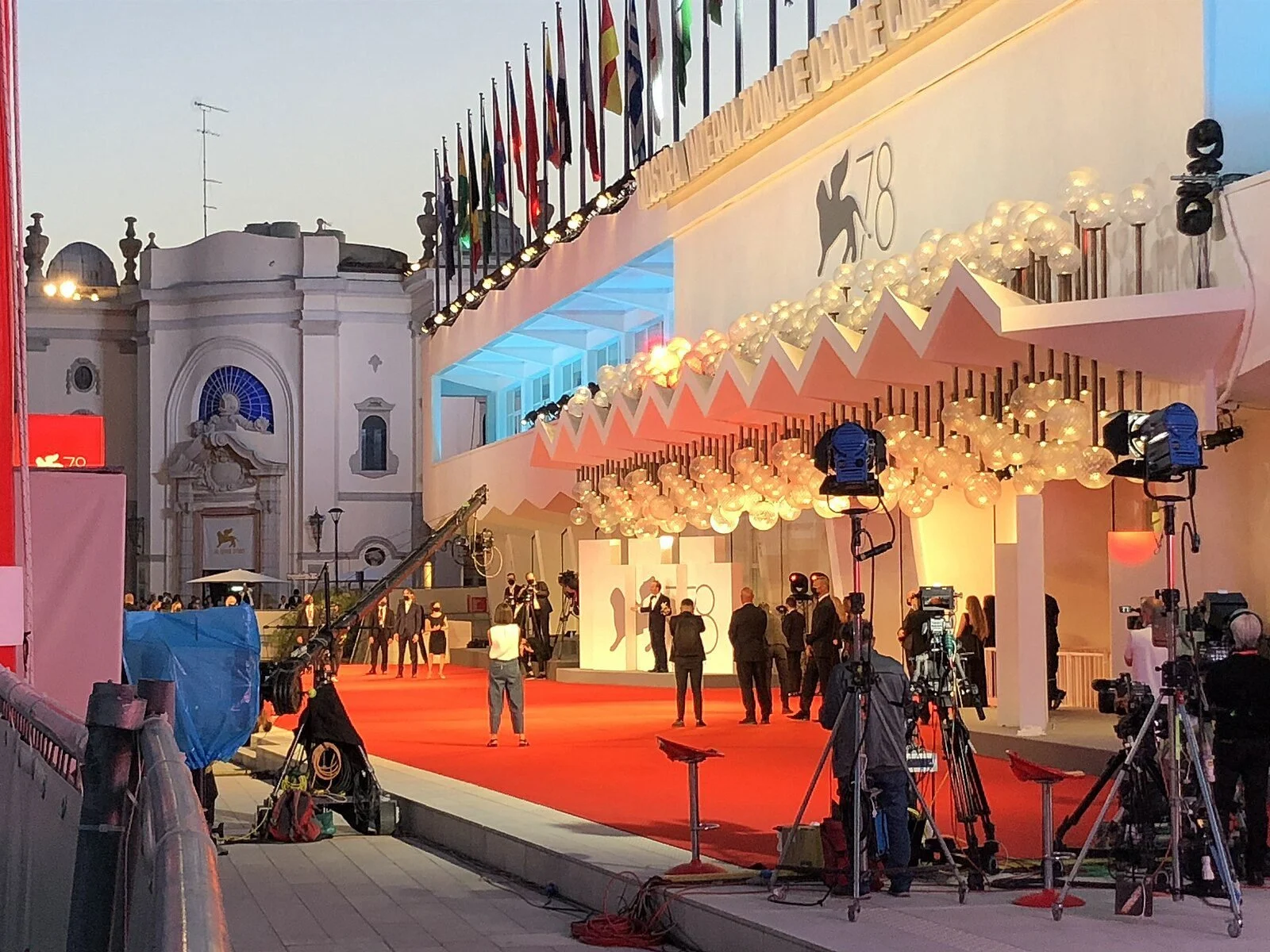
Image Courtesy: Visit Lido
Festivals like Venice should not reject digital culture, instead they should resist letting viral moments define the event. Behind every Instagram post or TikTok is a film that may have taken years to create. The challenge with Venice and festivals alike is to embrace the reach that social media offers without allowing the spectacle surrounding cinema to overshadow the art itself.
Strike Out,
Writer: Sofia Nguyen
Editor: Melany Rodriguez
Graphic Designer: Eliza Crawley
Tallahassee