
The Black Honey Craze: Clinique’s Holy Grail
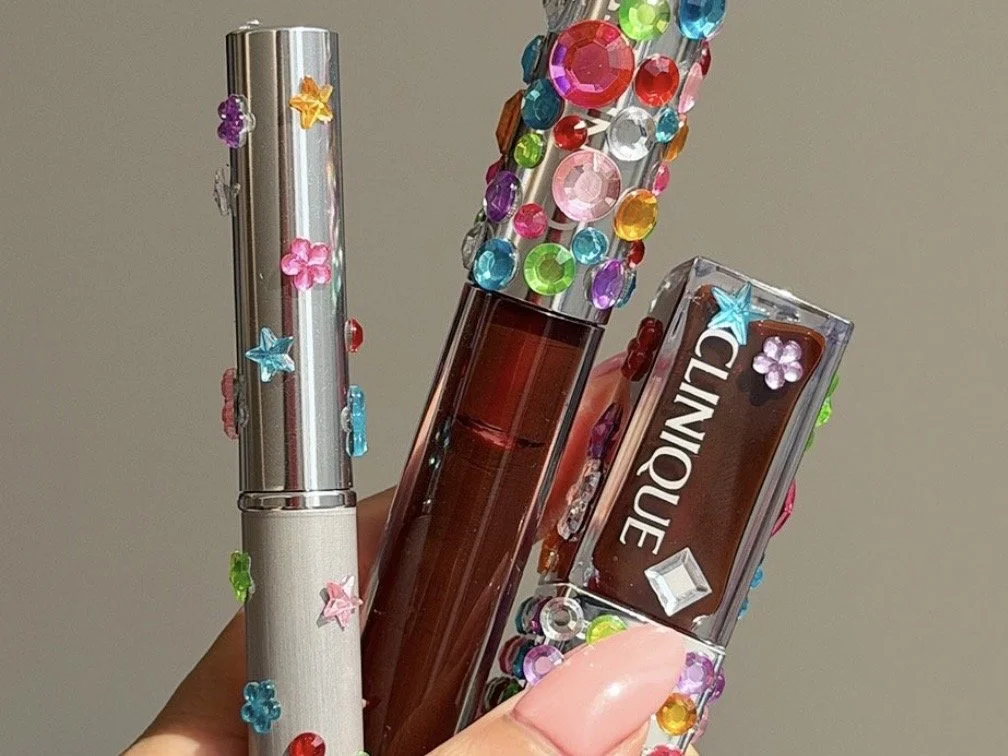
This past summer, Ulta Beauty stores nationwide celebrated the annual “National Lipstick Day” with too-good-to-miss markdowns on a variety of coveted lip products. Swarmed till sold out, the cosmetic staple, Clinique’s Almost Lipstick in the shade Black Honey, was flying off the shelves. While today’s trend cycles might lead one to label this like any other fad, Clinique’s Black Honey has cemented its top-spot popularity through the decades of the iconic color. The Almost Lipstick’s unique impact, appeal, and expansion have placed this product in the people’s cosmetic hall of fame.
Clinique Black Honey’s social media resurgence traces back to the videos of TikTok beauty influencers in 2021. Millions of online posts reviewing and raving about this product have been shared since. Its popularity in recent years is indisputable. However, this current craze is far from its origin. Dating back 50 years prior, the Almost Lipstick product was first released by Clinique way back in 1971. Since then, its presence has recurred in pop culture moments throughout the following decades: from the 80’s with Molly Ringwald in The Breakfast Club, to the 90s with the fabulous Julia Roberts in Stepmom, the 2000s with Liv Tyler in the iconic Lord of the Rings, 2010s with Zooey Deschanel in the staple sitcom New Girl, and most recently, Mika Abdalla in the show of the summer, Off Campus. TV stylings to red carpet looks, Black Honey seems to have been chosen by all of Hollywood’s hottest.

Image Courtesy: The Hollywood Reporter
In bearing such widespread appeal, Clinique’s Black Honey has been praised in all of beauty’s biggest-name publications, from Vogue to Allure to Harper’s Bazaar to Elle. It begs the question: what makes this product so broadly beloved? Almost Lipstick creator, Carol Phillips, was actually both the co-founder of Clinique and a former editor of Vogue. Designed with “the modern woman” in mind, it was made to be applied without the need for a mirror, and within a sleek container to fit in any bag. Yet her sheer lipstick’s biggest boasts lie in the uniquely buildable consistency and, most importantly, the claim to a universally flattering shade. While it’s obvious that one color would have different appearances on different skin tones, Clinique’s Black Honey promises tried-and-true to complement them all.
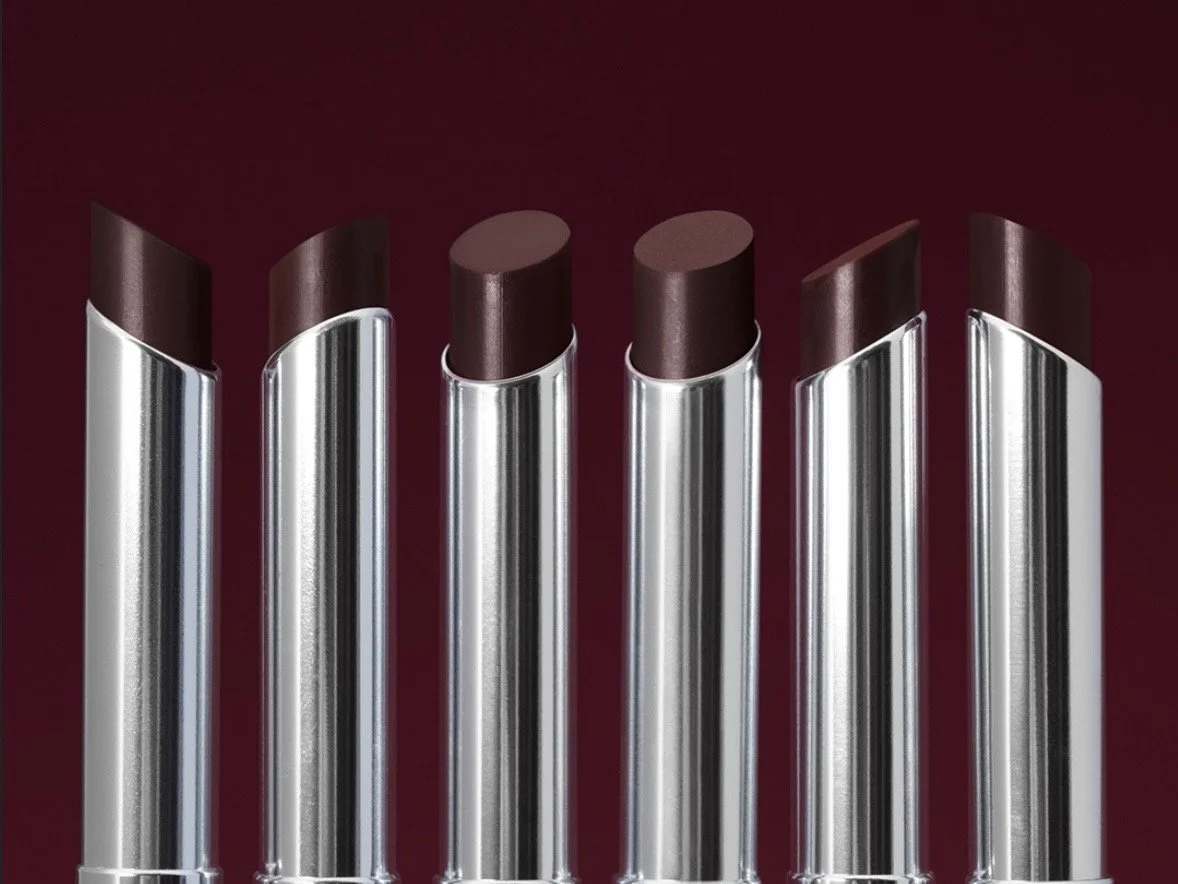
Image Courtesy: Instagram
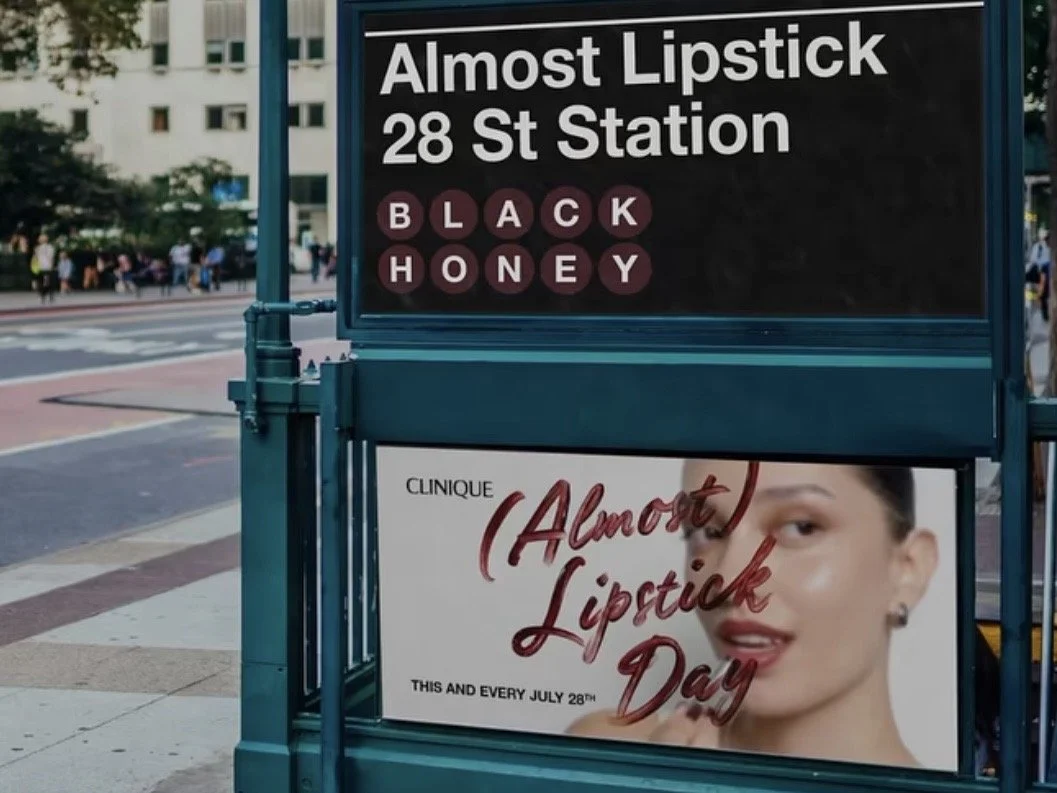
With a preeminent past and a promising present, it’s natural to wonder what the cult classic’s cosmetic future could hold. Fortunately, Clinique has not missed a moment to innovate and expand the line further. Since 2022, two new sister shades have been introduced: the rosy Pink Honey and, most recently, an elegant shade labeled Nude Honey. The success has gone as far as expanding Black Honey past a lip product alone. There are now entire Clinique makeup routines available in this iconic burgundy shade. Since this past summer’s release, Black Honey is now available in a gloss, blush, cheek and lip oil, eyeliner, mascara, eyeshadow palette, and even nail polish. Still, Clinique has not forgotten its Almost Lipstick roots. As National Lipstick Day approached on July 29th, Clinique decided to create its own unique holiday for a unique product. So, beginning 2026, July 28th was dubbed National ‘Almost Lipstick’ Day.
Regarding the beauty industry, though, continual pressure to keep up with the “next big thing” is as present today as it’s ever been. Naturally, skepticism toward viral hype is helpful. In a statement made by Clinique, they described Black Honey as a “makeup equivalent to a chic, black turtleneck”; a true staple. So, in a time of constant content and microtrends, perhaps a half-century-enduring product could serve as not just part of a craze, but as a piece of something timeless.
Strike Out,
Writer: Priscilla Rodriguez
Editor: Abby Marshall
Graphic Designer: Rebecca DeCamp
Tallahassee