I'm sure you’ve read this quote, "I found the muse in myself. And I loved her fiercely,” somewhere on the internet, and if not then possibly something of that nature? I hope this positive perception is absorbed more than Robert Graves' idea that "A woman who concerns herself with poetry should . . . be a silent Muse and inspire the poets by her womanly presence.” However, as both a woman and a poet I don't think there is anything wrong with being both. I don't think it is rocket science to understand that everyone gets inspired. Perhaps the muse is something we can relearn and eventually reclaim. To do this we must better understand where the muse came from. This takes us to Greek Myth.
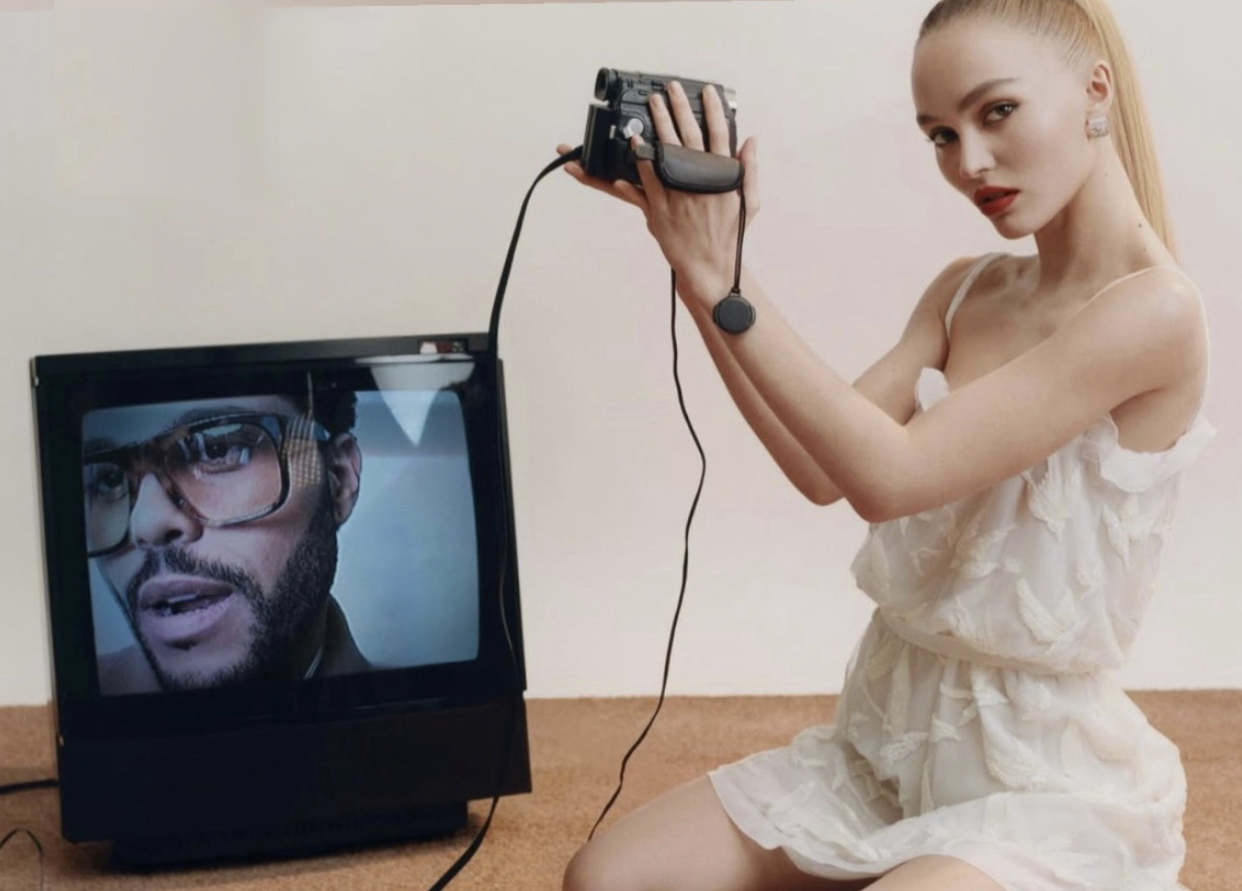
Image Courtesy: Instagram
The Muses were the daughters of Zeus and Mnemosyne, the goddess of memory. They were said to inspire poetry, music, dance, and knowledge. The muses were the very forces that help people make sense of the world. Artists once prayed to them before writing a single word, hoping to be guided by something divine. But somewhere along the way, the muses became humanized and the word got tired. While we might not have statues in society that point us to a direction of Epic poetry and or astrology, it is still fun to try and look at our own creations and try to identify possible muses as well as their ancestors. I have a strong feeling a lot of us get inspired unknowingly. Everyone today wants to be original and new. But nothing can come from nothing.
And so the word now gets tossed around to describe tortured artists and their affairs with young women. Muses are often perceived as fleeting obsession—someone who stirs something within you that you didn’t know was there. Gilbert and Gubar once wrote, “is the pen a metaphorical penis? No wonder the Muse was always hanging around male poets!” How inspiring, I don’t know about you but this alone inspired me to write thirty poems about a metaphorical penis, said not a single person. Ever.
All jokes aside, today the idea of having a muse can feel complicated. It’s been twisted into a dynamic that sometimes feels possessive or one-sided—especially when we think about how women have historically been positioned as “muses” for male artists. Being a woman who loves women I can see that dilemma. Women are beautiful, they are inspiring and naturally radiate mystique. Who wouldn't want to make a career out of capturing a beautiful woman's essence.
Here lies the issue: it is easy to dismiss the whole concept as outdated. But I think there’s still something beautiful about it when you strip away the ego and power imbalance. To call someone your muse isn’t necessarily to claim them—it’s to acknowledge that they ignite something in you, that they remind you what it means to create, to feel deeply, to see the world differently for a moment.
Maybe the real point isn’t choosing between being your own muse or finding one in someone else. Maybe it’s about recognizing that inspiration moves fluidly between us—that we are constantly giving and receiving it, whether we mean to or not.
For the fun of it, I spent the weekend mulling over some of my favorite inspirations. I tried not to restrict myself to only writers who inspire me to write, but rather to think about the few names that have—and probably always will—ignite something in me, the ones who propel me toward the source of my own creativity.
The first genius on my list is Albert Einstein. Now before you jump to conclusions—no, I am not a math or science connoisseur. Yes it is because of that photograph of him in kitten heels. In all seriousness-I actually hate math. But that’s part of why I love him. Einstein was an outside-the-box thinker within one of the hardest disciplines to think in that way. As he famously said, “Logic will take you from point A to point B. Imagination will take you everywhere.” Funny enough, one of my favorite novels to this day is Einstein’s Dreams by Alan Lightman. Einstein must have been a muse of his as well. This is where I can most clearly see the train of inspiration—how it passes through others and, in some indirect way, reaches me.
Of course, another one of my muses—and probably one of my firsts—is Tim Burton. This goes without much explanation, but my admiration comes from his art. It’s hard to pinpoint exactly what that thing is—the strange, magnetic aura he’s able to create and produce that is so signature to him. When I watch a Tim Burton film, my entire reality gets washed away, and I’m suddenly in his universe with him. If I could ever create something even half as captivating, my life would feel fully lived.
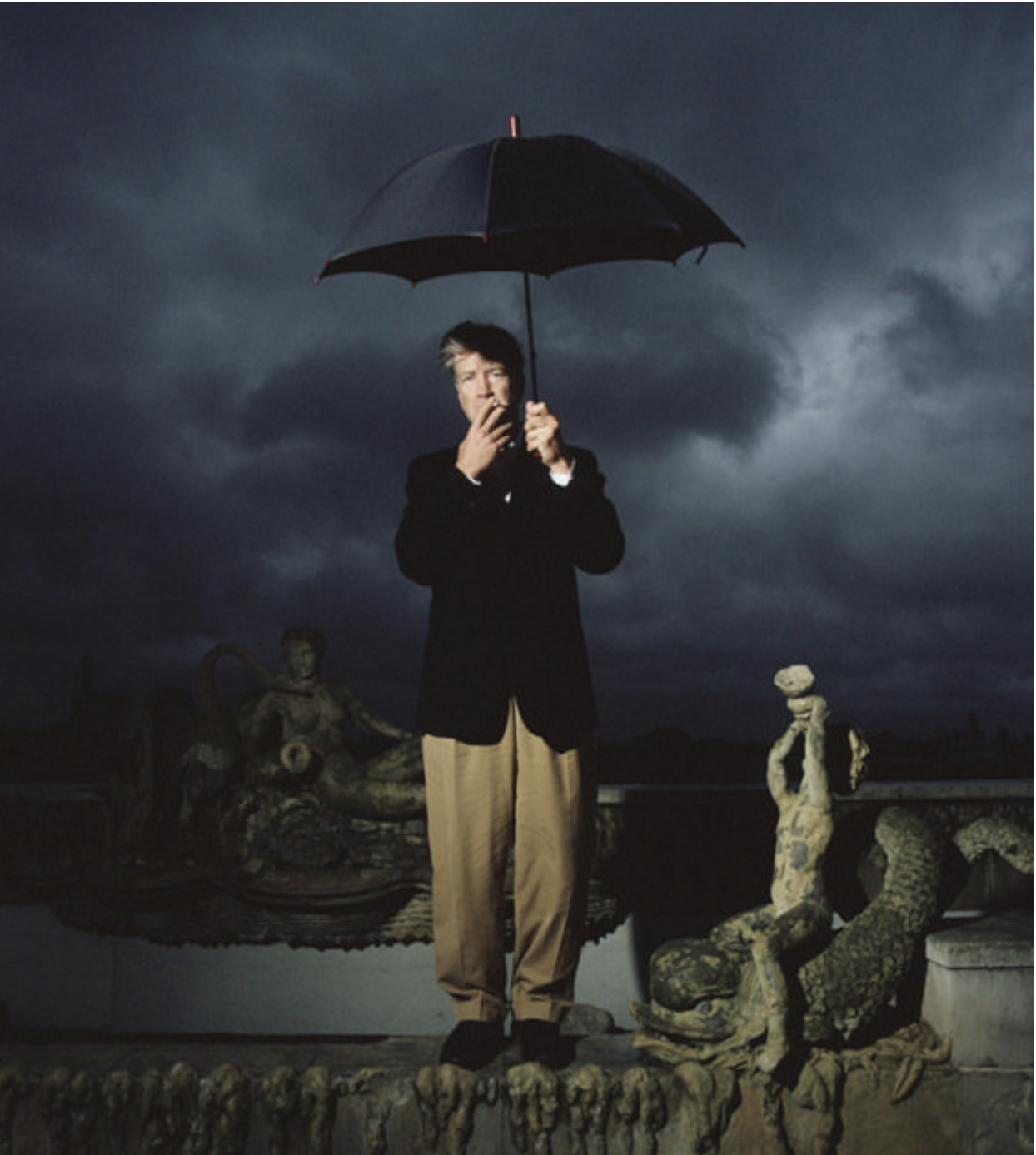
Image Courtesy: Instagram
A few honorable mentions include David Lynch, Kate Bush, Ethel Cain, and Delmore Schwartz. All of which could not be more different from one another in terms of lifestyle, art, philosophies, etc. But they have all reached me and my own art has indirectly been sourced from my love for these artists and many more. From avant-garde filmmakers to musicians and poets, I’ve gathered small sparks of inspiration that continue to shape how I see and move through the world. Muses allow you to see life this way—but, more importantly, they allow you to see yourself.
And maybe that’s the real beauty of the muse. The muse is not about idolizing someone or placing them on a pedestal, but recognizing the energy exchange that happens when something or someone stirs your imagination awake. The muse is never static; it changes shape as you do. Sometimes it lives in a person, a piece of art, or a song that cracks something open. Other times, and I think most often it lives quietly within. To be inspired is to be reminded of the exhausting, neverending realm of possibility, and to channel that energy into your own form of expression. In a way muses help us give even more beauty back to the world. So yes, I still believe in muses. In my definition, it is the proof that beauty, in all its forms, is a conversation that never really ends.
Strike out,
Selah Eve
Editors: Amia King
Saint Augustine
Selah is a content writer for Strike Magazine St. Augustine. Her very name, Selah, meaning "pause and reflect," and Eve, meaning life applies to how she spends her time. She is a very passionate student who loves to travel and meet new people. Check out her instagram: @selah.eve and her substack @selaheve