Why Fanfiction Should Be Classified as a Form of Literature
I remember the first time I first read fanfiction. It was on the infamous reading service Wattpad—young Linette, mindlessly scrolling for something to read, eyes burning from the intense phone light, when I accidentally stumbled upon a Naruto x Sasuke one-shot. And I’ll be completely honest: it was one of the best pieces of literature I have ever read. The craft was brilliant, original despite its borrowed characters; the literary devices were purposeful, guiding an alternate plot with surprising finesse. Yet even now, I hesitate to tell people I devoured a story that explores an anime “what if”. They’d probably assume fanfiction isn’t “real” literature, anyways.
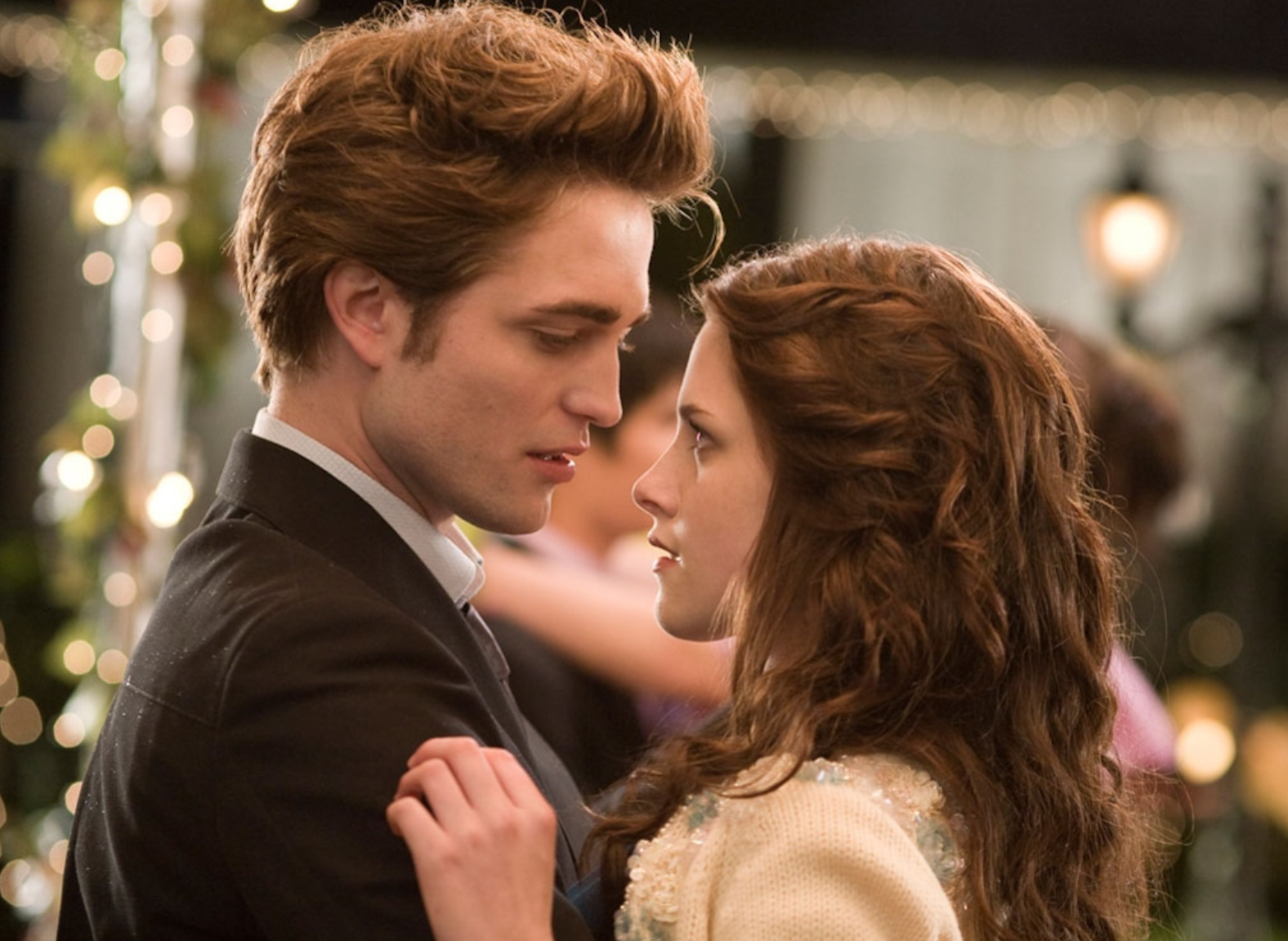
Edward and Bella from Twilight | Imprint Entertainment/Entertainment Pictures via ZUMA Press
But in actuality, many of the world’s most respected works are, by definition, fanfictions, with the oldest piece deriving from a biblical story. Paradise Lost is an old epic poem by John Milton that reimagines the temptation of Adam and Eve, with Satan perfectly capturing the brooding bad-boy caricature long before it was fashionable. Some would disagree that a historical text can’t be fanfiction if the term didn’t exist at the time, but any creative retelling of an established story can technically function the same way. A fan who rewrites stories within someone else’s world is fanfiction.
It’s literally in the name.
And literature is filled with such works. Gregory Maguire’s Wicked reimagines Frank L. Baum’s The Wonderful Wizard of Oz series. A Study in Emerald by Neil Gaiman merges the world of Sherlock Holmes and H.P. Lovecraft. The Mortal Instruments series by Cassandra Clare famously started out as a Ginny Weasley and Draco Malloy fanfiction. Nearly every modern fantasy novel can be traced back to mythology, folklore and legends from various cultures. So, what exactly separates these stories from the surface-level knockoffs you’d find on Ao3?
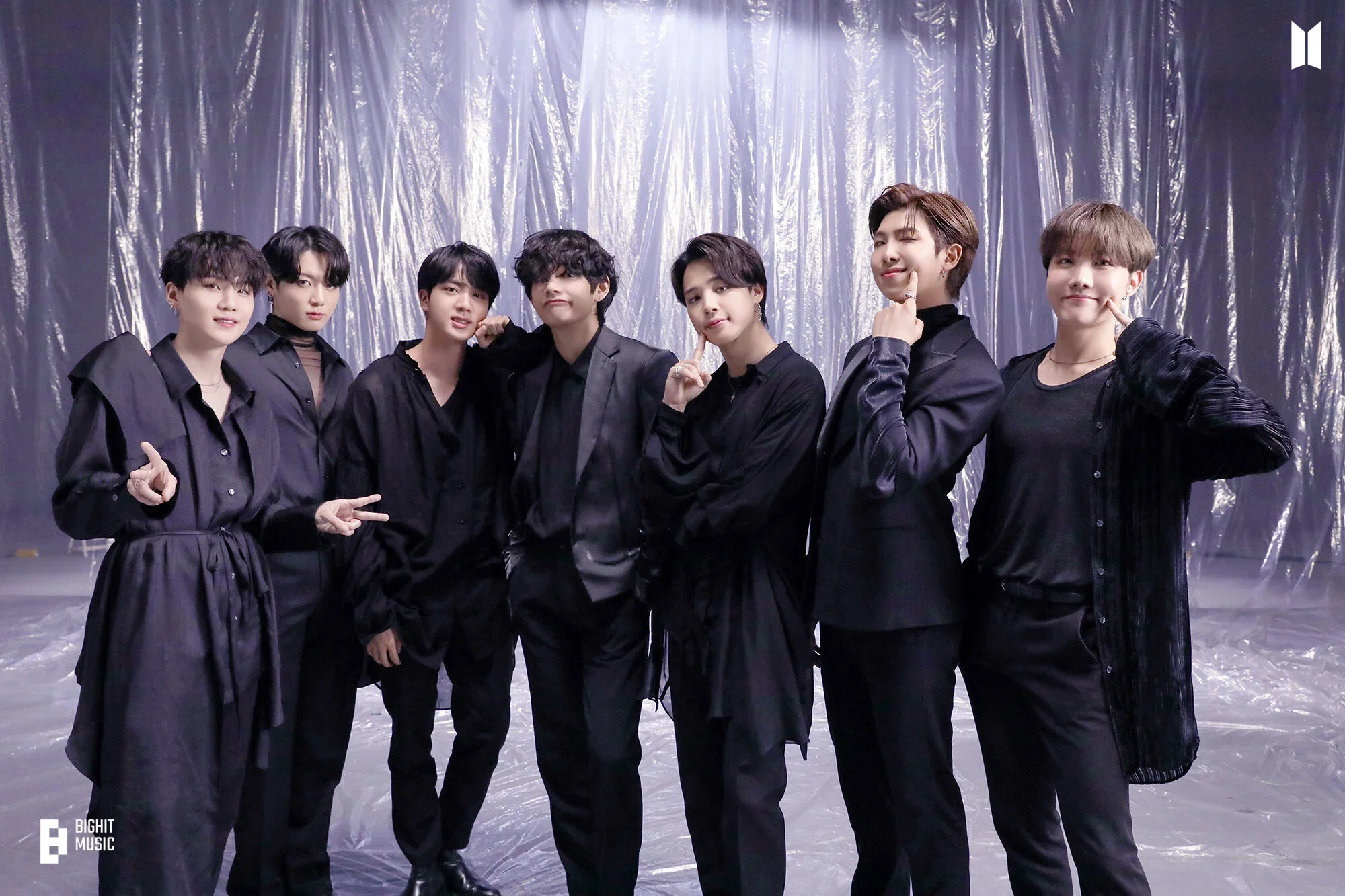
K-Pop group BTS | BigHit Entertainment
Fanfiction has long carried a stigma of being amateur or poorly written. Critics claim they lack the value of published novels, dismissing it as juvenile wish-fulfillment using characters that already exist in canon media. However, fanfiction can be just as credible, if not, more progressive than original works. Many fanfiction writers display remarkable skill: strong prose, tight plotting, innovative reinterpretations of beloved characters, exploring marginalized identities that aren't offensive. You would have to sift through a handful of mediocre stories before finding a gem, but the same is true in any bookstore.
More often than not, these works become published entities for a broader audience to enjoy, tweaking characters’ names to avoid copyright. For many readers and beginner writers, fanfiction is a quick escapism ritual that is social, productive and life-enriching.
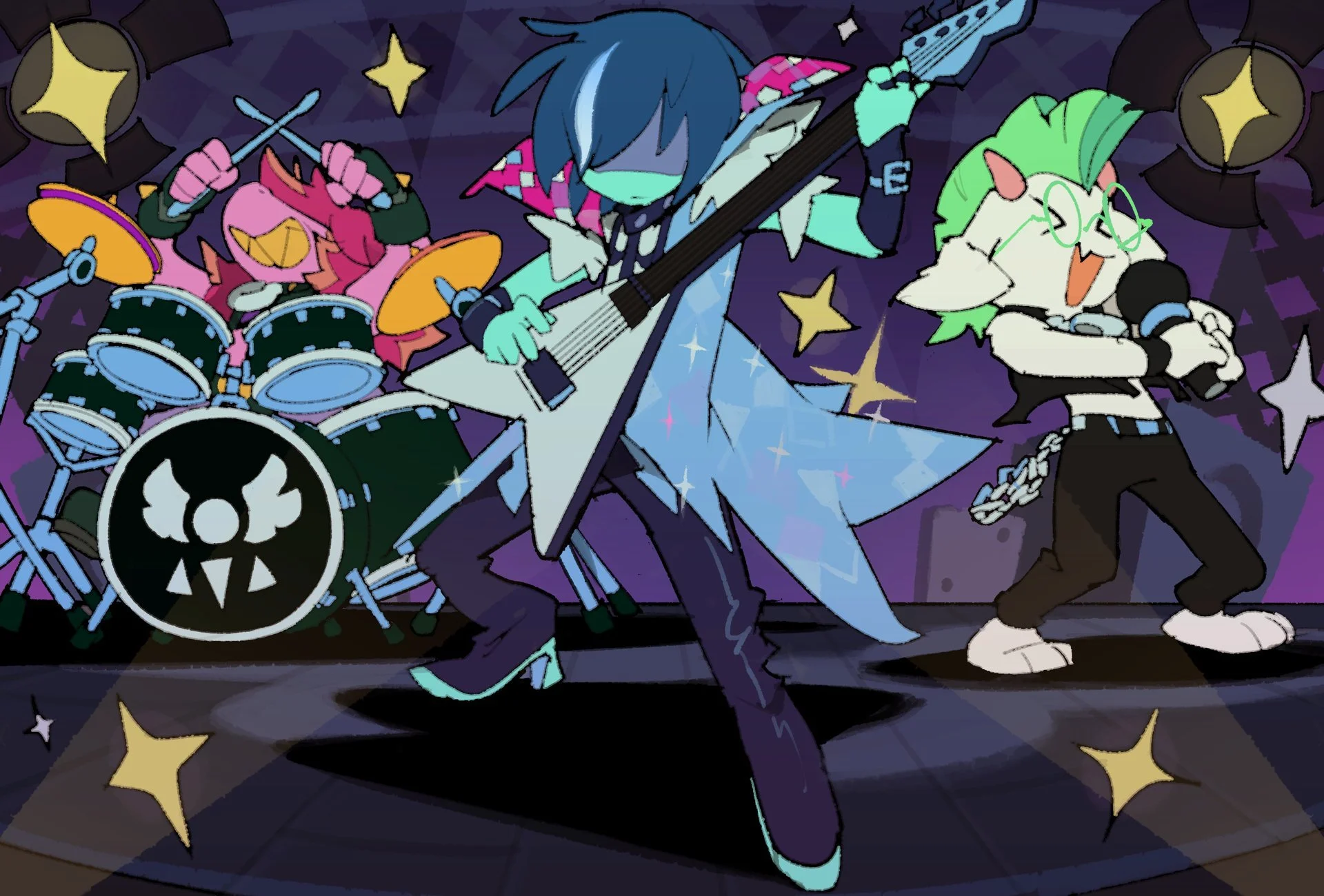
Deltarune Artwork | Tuyoki on Twitter
It may feel strange to imagine a Teen Wolf Stiles Stilinski x Reader pastiched story on Quotev sharing a shelf with Fyodor Dostoevsky, yet if a piece of writing demonstrates craft, substance and originality, it is literature. Quality depends on reader engagement, not the platform it’s published on. Some fanfictions are adored by their communities, much like acclaimed novels; others are utter garbage, just like forgettable books. As a lifelong bookworm, I believe any piece of writing has the potential to be great literature, and should not be disregarded because of their medium.
Strike Out,
Linette Garcia
Miami
Linette Garcia is a senior at Florida International University, majoring in Psychology and minoring in Public Relations, Advertising, and Communications. Linette's work explores the intersection of fashion and pop culture trends, examining their profound impact on our daily lives. Her writing has appeared in Strike Magazine's Print Issue 08. When she is not writing, she enjoys reading literary fiction and listening to hard techno.