
Everyone Wants To Be A DJ, Nobody Wants To Make Music
When I was twelve-years-old, on the precipice of adopting all the cares in the world that would eventually lead me to the lowest points in my life, I wanted nothing more than to create.
Before I wielded my innuendo-laced poetry as ammunition and recorded music covers ten times over, I jumped at every opportunity to translate my lack of life experience into a long-winded epic. At six, I ran around interviewing strangers at parties, filming it on my dad’s iPhone 4 for nobody to rewatch. At twelve, I wrote songs on the ukulele for my older brother while he was going through his first breakup. At sixteen, I sipped black coffee trying to cultivate a taste for the teenage angst that pervaded my poetry. Soon enough, I had stockpiled enough evidence to call myself an artist.
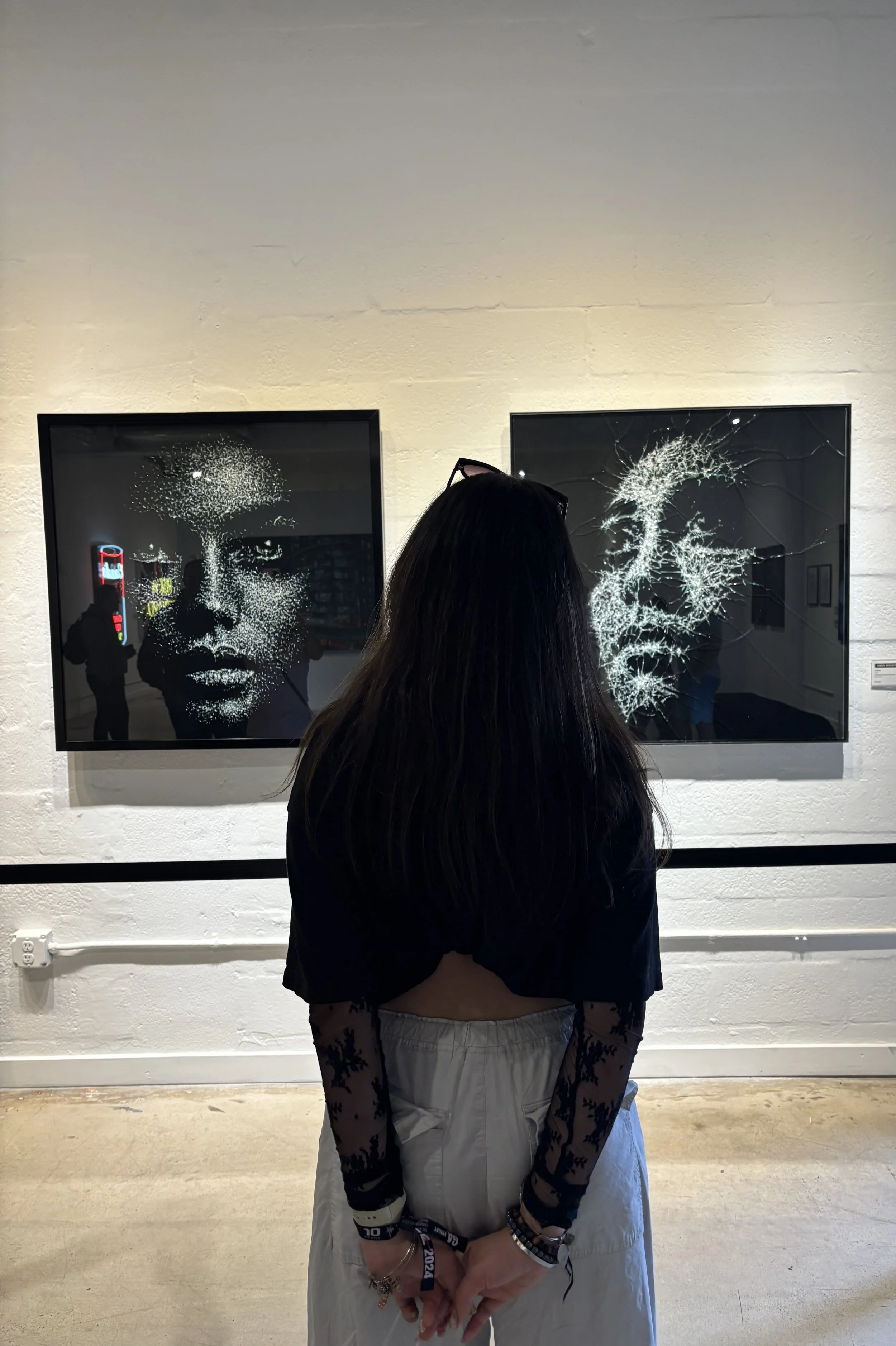
Photo courtesy of Ria Pai
Back then, I was reluctant to claim the title because it felt like admitting that I was good at something would make me seem arrogant. Instead, I shared my creations first with my closest friends before gaining the courage to share them with my Instagram followers for 24 hours. It was all harmless at first: a little hard-earned praise for the countless hours I spent crafting my voice. That is, until the inevitable happened — I began hearing unkind words about the flowery ones I mistakenly shared with the wrong audience.
I learned then that art was inaccessible. Nobody wanted to read or write or make music and they didn’t want to see anyone else doing it either. Art was perfection and artists were real, published authors and musicians, not the 16-year-old girl writing journal entries in her room. So, I kept sharing my work. Deleting it. Reposting it. Checking to see who had viewed it and wondering what that one user thought. I found myself waiting for someone to validate that the things I created had value; that my deepest fears and darkest secrets would be seen as not only acceptable, but maybe even beautiful.
Regardless of whether I got that validation, somewhere along my journey, everyone decided to become an artist.
Now, making and sharing art is almost too easy. The advent of short-form content and the prioritization of quantity over quality creation has made art a lucrative process that earns you physical and social capital. All that creativity has turned to content and those who share it are seen as inspiring and brave. Suddenly, everyone wants to be a DJ.
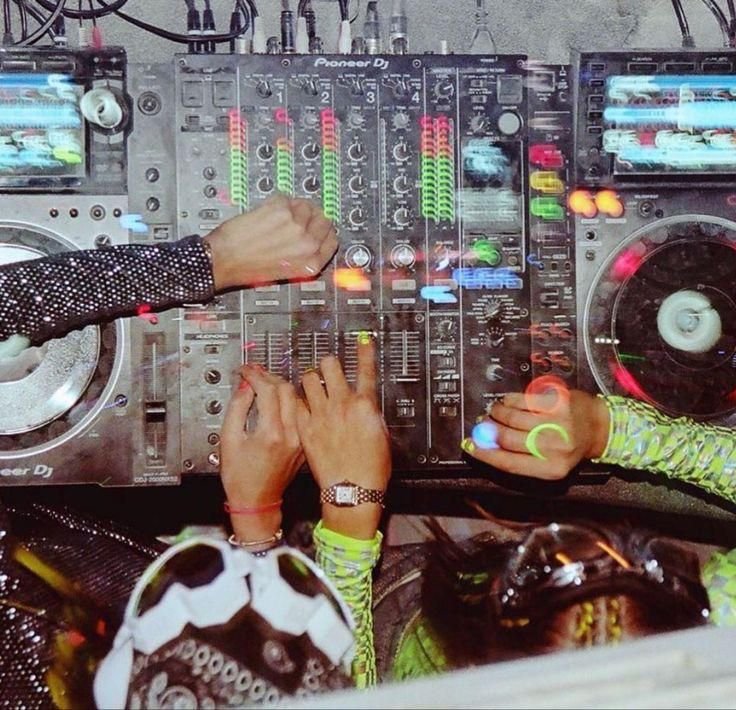
Photo courtesy of Pinterest
As a self-proclaimed artist, I’ll admit that the prospect of standing behind a booth and hearing the crowd go wild as Britney Spears fades to Baby Keem sounds enticing. The problem is that it means discarding everything that’s unassuming for the purpose of people remembering my name. It means losing appreciation and intention, and I would rather the crowd forget my name than forget the context upon which my art is built.
When I create to be seen and heard, I lose the practice of simply soaking it all in. The only way to become a better artist is to consume more art. But the consumption I’m referring to isn’t like Netflix automatically playing the next episode of a show you’ve been mindlessly bingeing, but the kind of consumption that takes effort because it is selfless. Like listening to an album to hear the story conveyed by the subtle switch in key, or letting a close friend confide in you without constantly thinking about what you want to say next.
Consuming art without an agenda breeds inspiration. After all, you can only remix the same things for so long before it all sounds the same. We have to try five different chord progressions before one sounds good, and even then, maybe we don’t show anyone for now. The point isn’t to create for who’s listening, but to create in a way that helps us listen better—to others, to the world, and to ourselves.
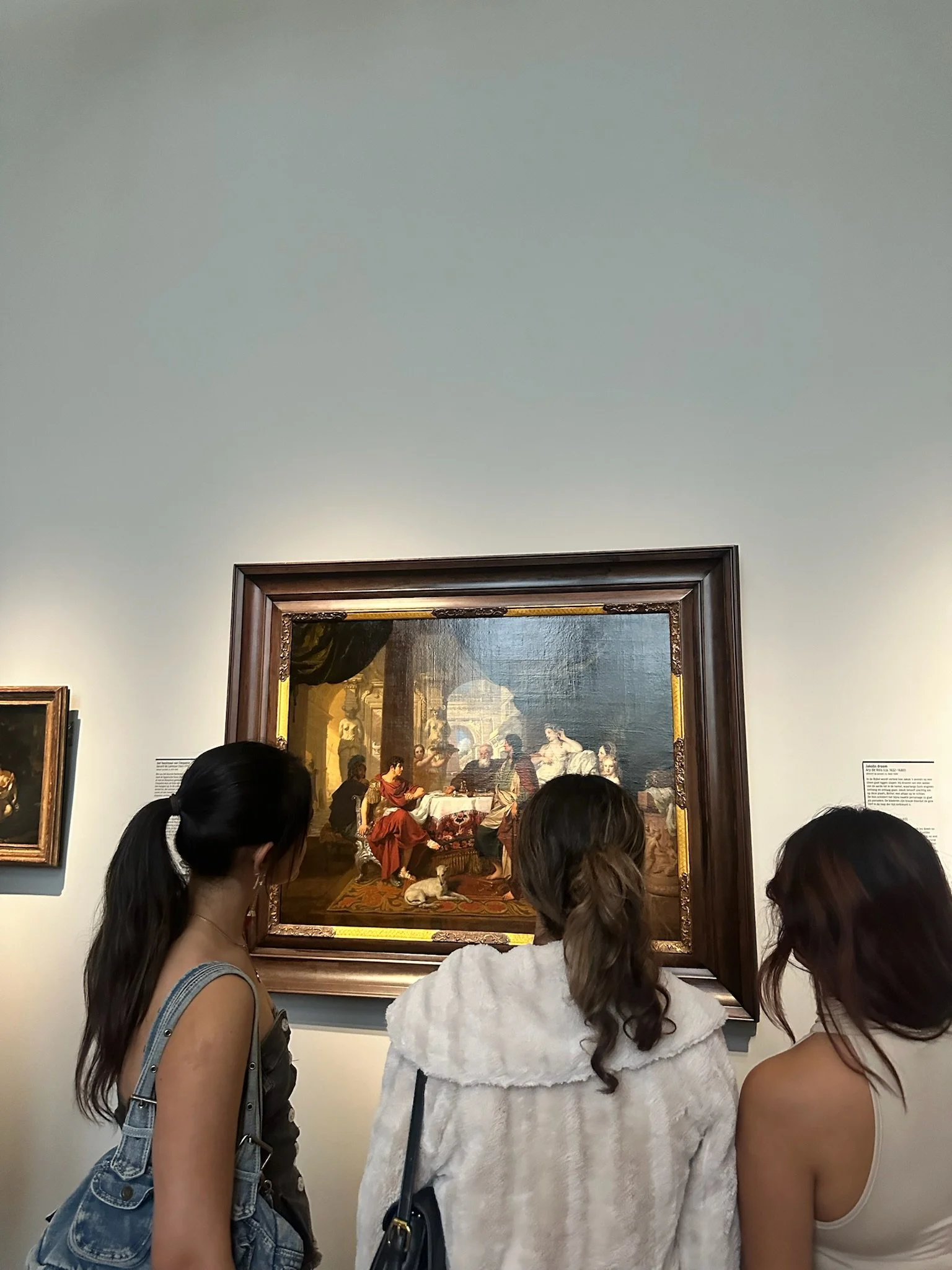
Photo courtesy of Ria Pai
Art is vulnerable. And I want you to feel mine in your gut. I want it to resonate for weeks. I want you to think of me differently, to read my words and know that I am the ones I said and also the thousands that I didn’t. It’s okay if you don’t like what you see because sometimes, neither do I. But, the point isn’t to be liked, it’s simply to be heard.
Everyone wants to be a DJ because they want to feel special, like they’ve created something with their own hands. But, you can’t create something from nothing. You create from moments and feelings and ideas, even if they’re not your own. Sitting on my best friend’s floor, listening to her mix our favorite songs on a mini DJ deck, picking the M&Ms out of trail mix, laughing when the sound cuts out. That’s the kind of art I want to make. The kind that appreciates bonding moments on a random Tuesday night. The kind that lives in the back of your journal when you stop paying attention to your calculus lecture. The kind of song a little sister writes for her big brother, expressing how proud of him she is and, moreso, how proud he should be of himself.
Being a DJ starts at the piano, playing the C-major scale at twelve-years-old, finding a way to stretch your stubby fingers across the vast expanse of keys that will one day translate into funky synth and intentional transitions that resonate long after the crowd goes home.
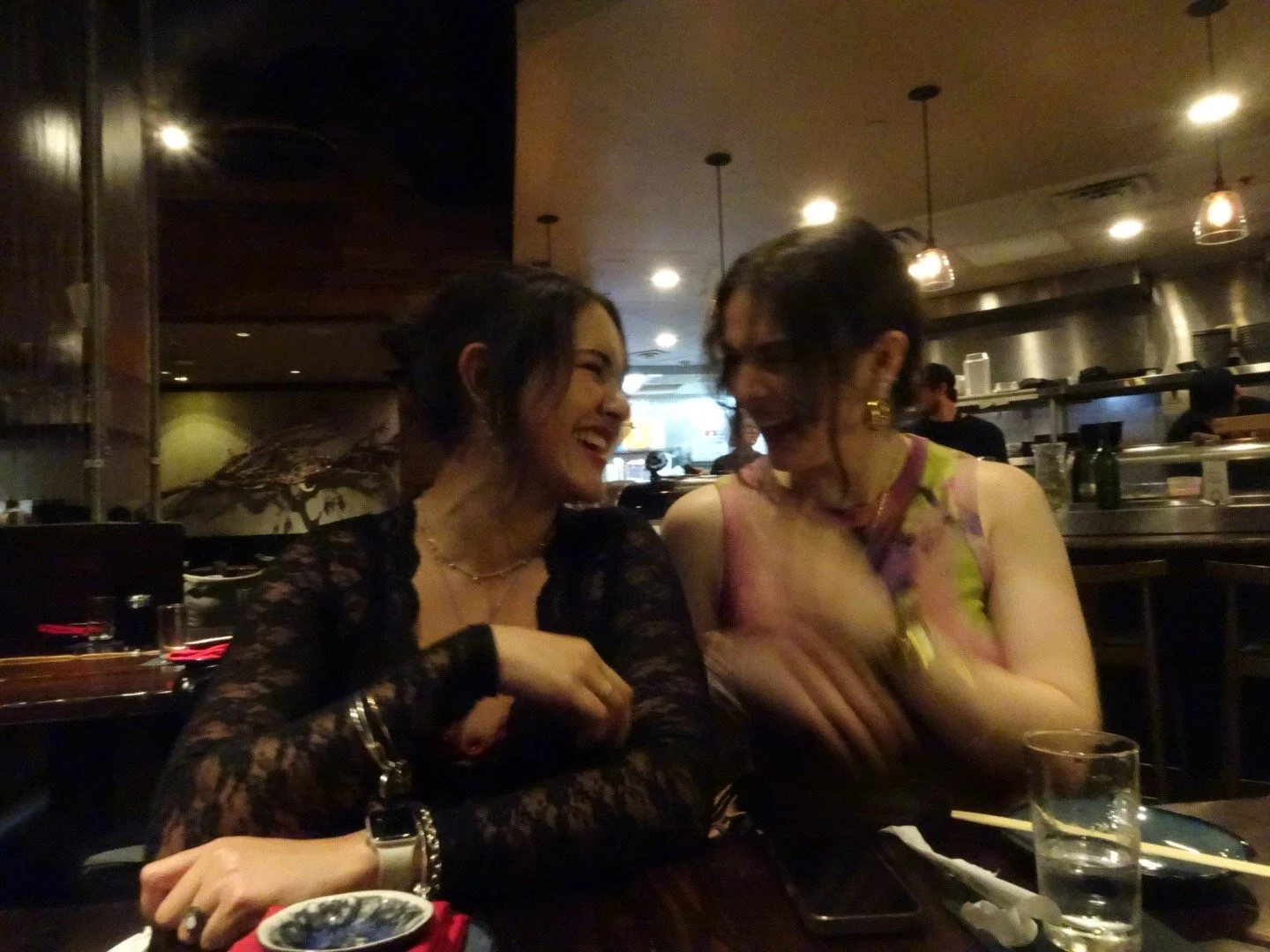
Photo courtesy of Ria Pai
Strike Out,
Writer: Ria Pai
Editor: Hailey Indigo
Ria Pai is an Editorial Director for Strike Magazine GNV. She starts her day with copious amounts of coffee and ends it laying in bed thinking of witty comebacks to unlikely scenarios. During the interim, she enjoys making elaborate meals for the people she loves, ranting about the same three topics in her journal and never skipping leg day. You can reach her on Instagram @veryberrypai, or by email at pairiaraj@gmail.com.
