
Personal Style Mood Boards: Performative or Therapeutic?
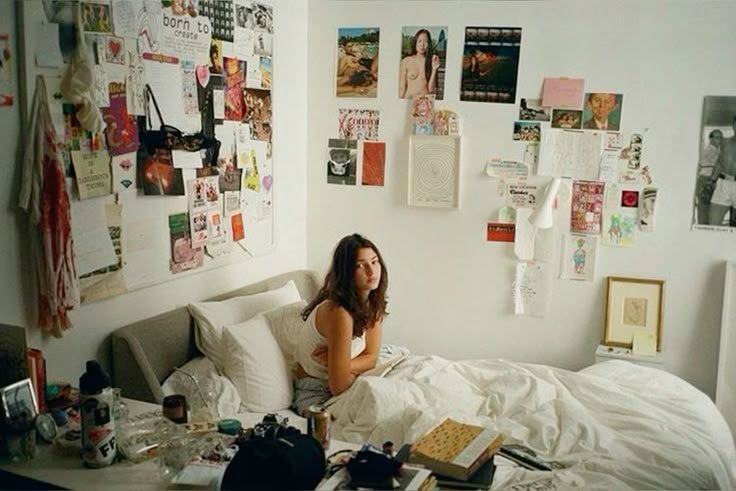
Image Courtesy: Pinterest
I think in mood boards; in the aesthetic look of categorizing all my different emotions into one simple cell, titled after its inspiration. Several platforms like Pinterest have helped me navigate the many complicated emotions I’ve experienced over the years by creating mood boards that capture these moments. Looking back at all my past eras and moods, not only has the app acted as a coping mechanism during times of distress, but it has also essentially played the role of a therapist in my life. Sure, one that lacks communication and counseling skills, but it's led me to build my own resilience creatively and entertainingly. Like art, music, and movement therapy, Pinterest is my own brand of creative therapy—free, and just as delightful.
High school is a hard time for anyone. Not just in terms of academics, but in terms of identity, and truly understanding the person you are and will soon become. For me, high school was the place where I realized I couldn’t just spend my days in silence, keeping to myself and avoiding making friends. Isolation had me stuck in a rut I’d never known before. But little by little, I started searching for myself in new spaces.
Pinterest unearthed an entirely new person in me, as I spent hours scrolling through the alluring pictures filling up my entire explore page, creating mood boards and pins that resonated with my emotions at any given time. Developing this sense of free creative expression taught me to categorize my true feelings, eventually regaining the sense of composure I had lost when entering this new stage in my life. It was then that I finally learned to grow into my personality, emotions, thoughts, feelings, and everything that makes me the person I am today.

Image Courtesy: Pinterest
The platform took on the role of my best friend whenever I faced any minor inconvenience. It soon symbolized the start of all my inspirations and dreams, opening windows to other mediums of expressing feelings and thoughts I often kept all to myself. When I hit new phases—like starting college and figuring out new friends and surroundings—Pinterest (plus a good journal session) kept me grounded when life felt like pure chaos. Revealing all my private struggles and ideas allowed me to better understand myself and process all my intense reactions to change in one simple platform.
Some might see spending over four hours on Pinterest in a single day as living a ‘performative’ lifestyle, but I see it as envisioning my future: a simple, organized, chic, motivated, and emotionally stable life where I’m free to be myself. I’ll admit, though—social media today is mostly performative. As young adults, we feel the pressure to curate every detail of our lives into the perfect aesthetic. And it's not like this change was unsolicited. To be fair, we are the generation that grew up during the rise of social media and technology. But this new shift of social media use has taken a turn from sharing personal and special moments in our lives to inaccurately depicting the most attractive moments, creating an entire facade online.
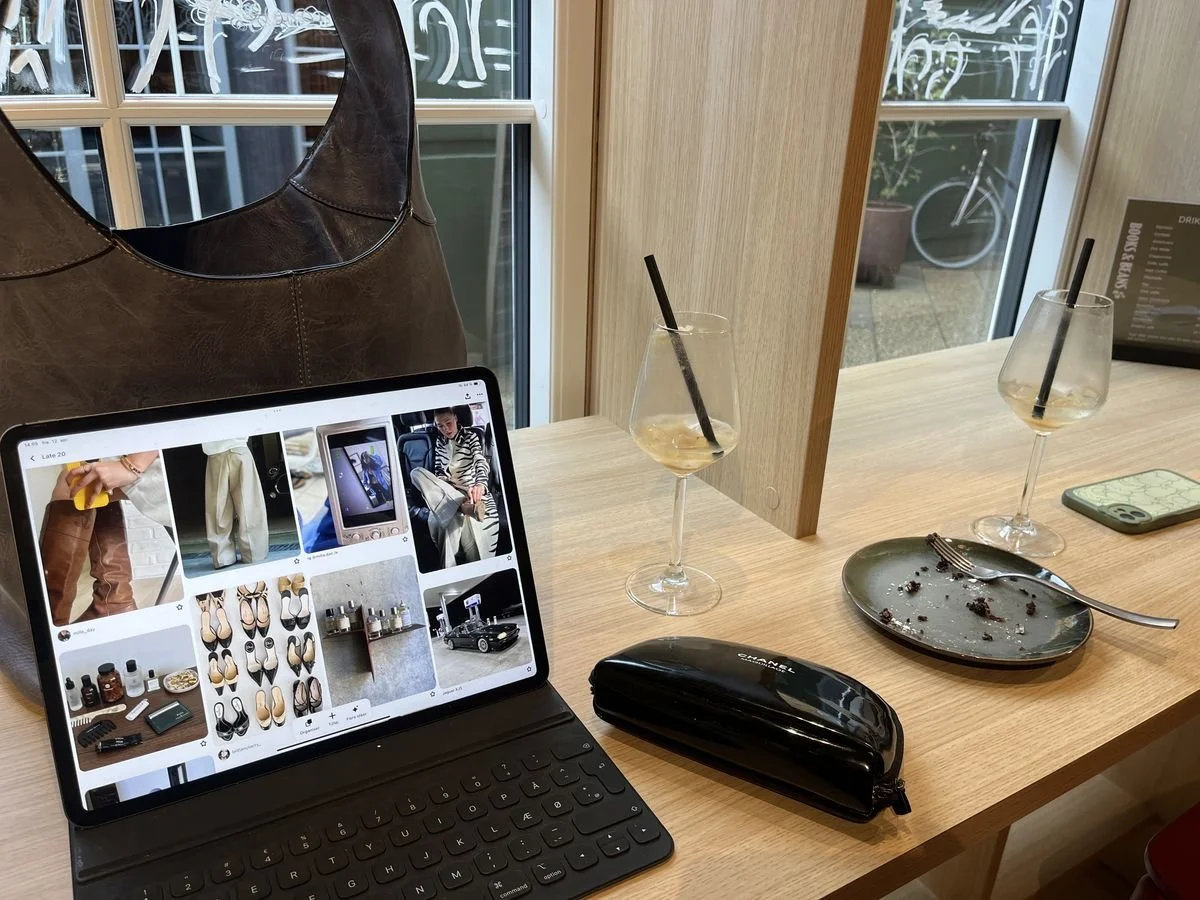
Image Courtesy: Pinterest
Regardless of how superficial our online lives may actually be, creative platforms like Pinterest, or even personal/photo dump accounts on Instagram, can be used as a tool to leave overly curated lifestyles in the past and approach life in a more authentic, intentional way–one that values self-expression and embodying your true identity over perfection.
If it wasn’t already obvious through my rant on why I love Pinterest so much, this outlet of free therapy has provided me with a form of expression I have been unable to manifest any other way. In the messy-but-organized chaos of my boards, I see it all—my moods, my flaws, my inspirations, and the pieces of who I’m becoming. Sue me, but I will defend stylistic mood boards for life.
Strike Out,
Writer: Melany Rodriguez
Editor: Isabelle Kim
Graphic Designer:
Tallahassee