
Viral not Vital: The VMAS
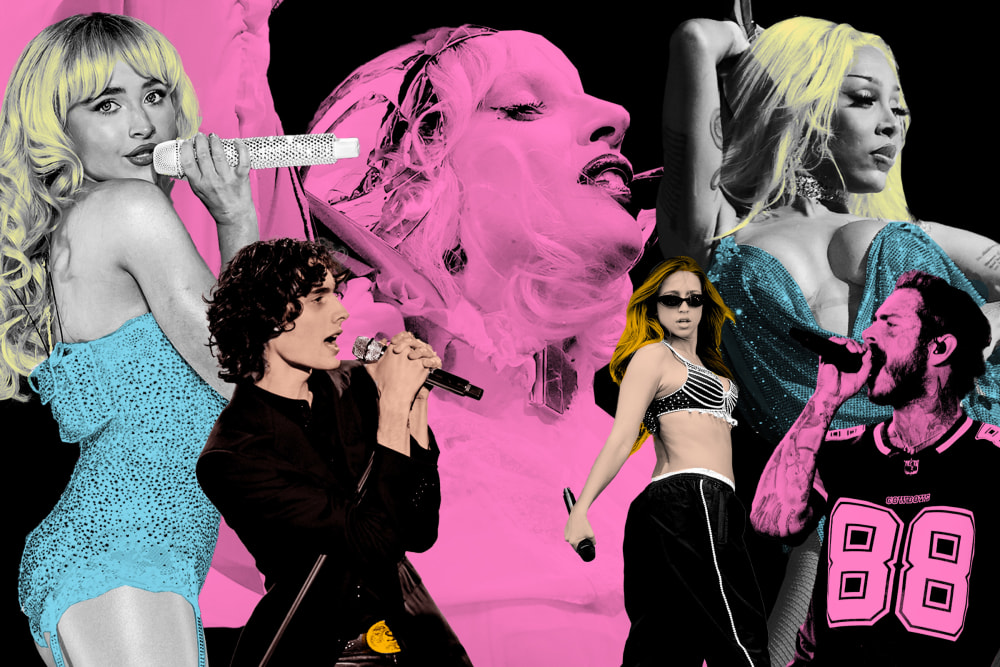
Image Courtesy: NBC News
The lights were on. The cameras were rolling. The stars were seated. And yet… silence. Not literal, but cultural, the kind of static that fills the space where meaning used to live. The 2025 MTV Video Music Awards came and went, but instead of sparking conversation or creating headlines, the show barely made a ripple. Blink, and you might’ve missed it.
Once upon a time, the VMAs were unmissable, not just an award show, but a stage where music and performance collided to create moments that shaped pop culture. Think Britney and the snake. Madonna, Britney, and Christina’s kiss. And in 2009, Lady Gaga was bleeding out dramatically on stage during Paparazzi, collapsing under the weight of fame while the crowd screamed, a hauntingly ironic commentary on celebrity obsession. These weren’t just viral clips; they were cultural checkpoints. Gaga’s performance, in particular, marked a shift: it wasn’t about scandal or shock for its own sake, but about performance as art, about music as a vessel for deeper meaning.

Image Courtesy: RollingStone
These moments mattered because they reflected, and often redirected, where pop music was headed. They captured the spirit of the times: the tension between fame and identity, the performance of self, the rise of spectacle as storytelling. The VMAs became a space where artists didn’t just sing their songs; they staged them, embodying their themes in unforgettable ways. That’s what made these checkpoints cultural, not just what happened, but what it meant. They didn’t just go viral; they became symbols of the era and set the tone for what pop could be.
This year, the VMAs felt less like a celebration and more like a routine event. Even social media, the show’s closest companion, showed little enthusiasm. A quick scroll through X or TikTok after the broadcast reveals more posts asking, “Did the VMAs even happen?” than actual conversations about the night’s performances or winners. And that, in itself, says a lot.
In an era where virality is currency, where entire careers can be launched (or revived) based on a single clip, the lack of buzz is more than just a bad look. It's a red flag. Social media isn't just a place where fans react anymore; it's where cultural moments are made. Artists, especially pop stars, now rely on that instant amplification. Their personas are built around being seen, shared, memed, and remixed. When a show like the VMAs, once the blueprint for viral moments, passes with barely a ripple, it signals a disconnect between the event and the ecosystem it's supposed to fuel. The fact that the internet, a machine practically designed to obsess over celebrity and chaos, collectively shrugged? That’s telling.
To be fair, there were bright spots, and they mattered precisely because they felt real. In a night built for content, Lady Gaga gave us something different: a performance that wasn’t trying to chase virality, but instead focused on craft. Dressed in a sculptural blood-red gown, Gaga became the stage. The gown itself wasn’t just a costume; it was a set piece, a symbol, a living sculpture. Just when you thought it couldn’t get more surreal, dancers began to emerge from inside the dress, as if they’d been hidden beneath the fabric all along. It was eerie, theatrical, and unforgettable, a visual metaphor for something deeper stirring beneath the surface.

Image Courtesy: Rolling Stone
While other performances felt scattered and made-for-TikTok, Gaga’s was cohesive, deliberate, and cinematic. The lighting was shadowy and dramatic, the pacing slow and tense, the camera work dreamlike. Nothing was chasing a trend; everything served the music, which is what sets her apart: Gaga doesn’t just perform songs, she builds worlds around them. She turns her music into art, layered, conceptual, immersive. Her performance wasn’t about shock or virality. It didn't trend for 30 seconds. It was made to last, the kind of moment you replay not because everyone’s posting it, but because it moved you. In a night full of noise, Gaga offered silence, mystery, and intent. In doing so, she reminded us what performance can be when it’s led by music, not metrics.
The night’s other standout? Yungblud, who shook the stage with an unfiltered, high-octane tribute to Ozzy Osbourne. While much of the show felt pre-packaged and PR-approved, Yungblud’s performance was raw, unpredictable, and, most importantly, authentic. Styled head-to-toe in Chrome Hearts, from the glam-punk detailing to the kinetic energy, it was a reminder that music is still supposed to make us feel something. Whether you loved it or didn’t quite get it, people were talking, and that in itself was refreshing. He didn’t play it safe. He played it real, and that’s what stuck.

Image Courtesy: Billboard
Yungblud’s electrifying and unpredictable performance set a high bar, reminding us what live music can truly feel like when it’s raw and genuine. However, not every act managed to capture that same spark. Even Mariah Carey’s long-awaited appearance fell flat, not because she isn’t still the legend she’s always been, but because the energy just wasn’t there. It was clear she was aiming for an iconic moment: the dramatic entrance, the elaborate choreography, the air of diva spectacle. It all felt overly staged, a performance trying too hard to go viral rather than connect. The choreography was stiff, the notes didn’t land, and fans were quick to call it out. A voice like hers should stop time. Instead, it felt like we were all waiting for the high note that never came. The internet, of course, spun it into a meme: “She’s saving her vocals for Christmas” spread faster than the clip itself.
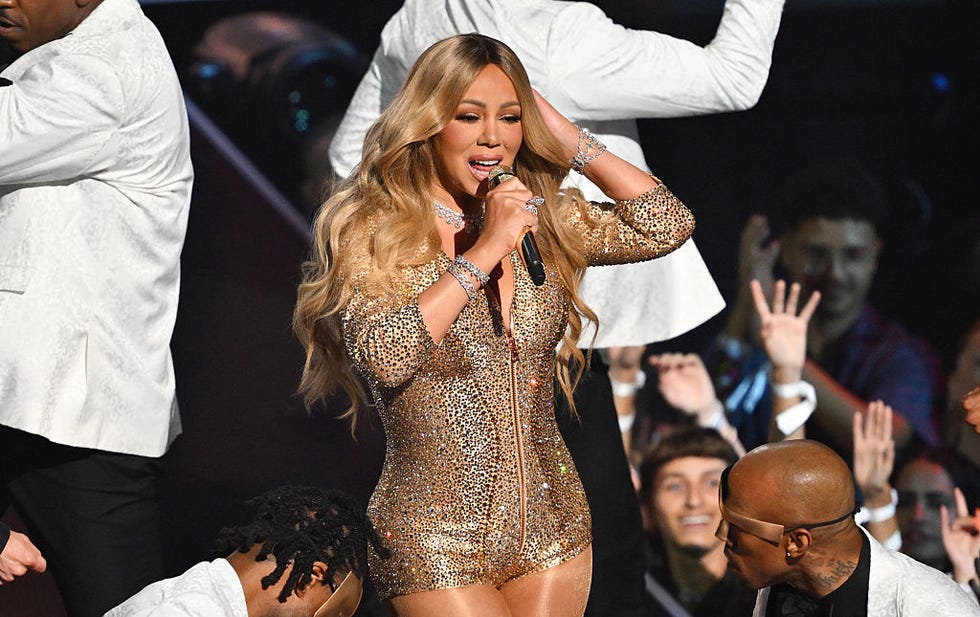
Image Courtesy: Bazzar
Part of the problem is that almost no one seems willing to step outside their comfort zone, not in performance, not in fashion, not in energy. There’s a kind of creative risk-aversion happening across the board, as if artists are afraid to look too weird, too big, too unpredictable. However, the VMAs were built for those exact things. Take Lady Gaga’s 2009 Paparazzi performance; it was grotesque, dramatic, and completely unforgettable, not just a performance, but a statement about the cost of celebrity. It wasn’t about looking pretty or playing it safe; it was about turning music into a mirror, forcing the audience to see something uncomfortable and real.
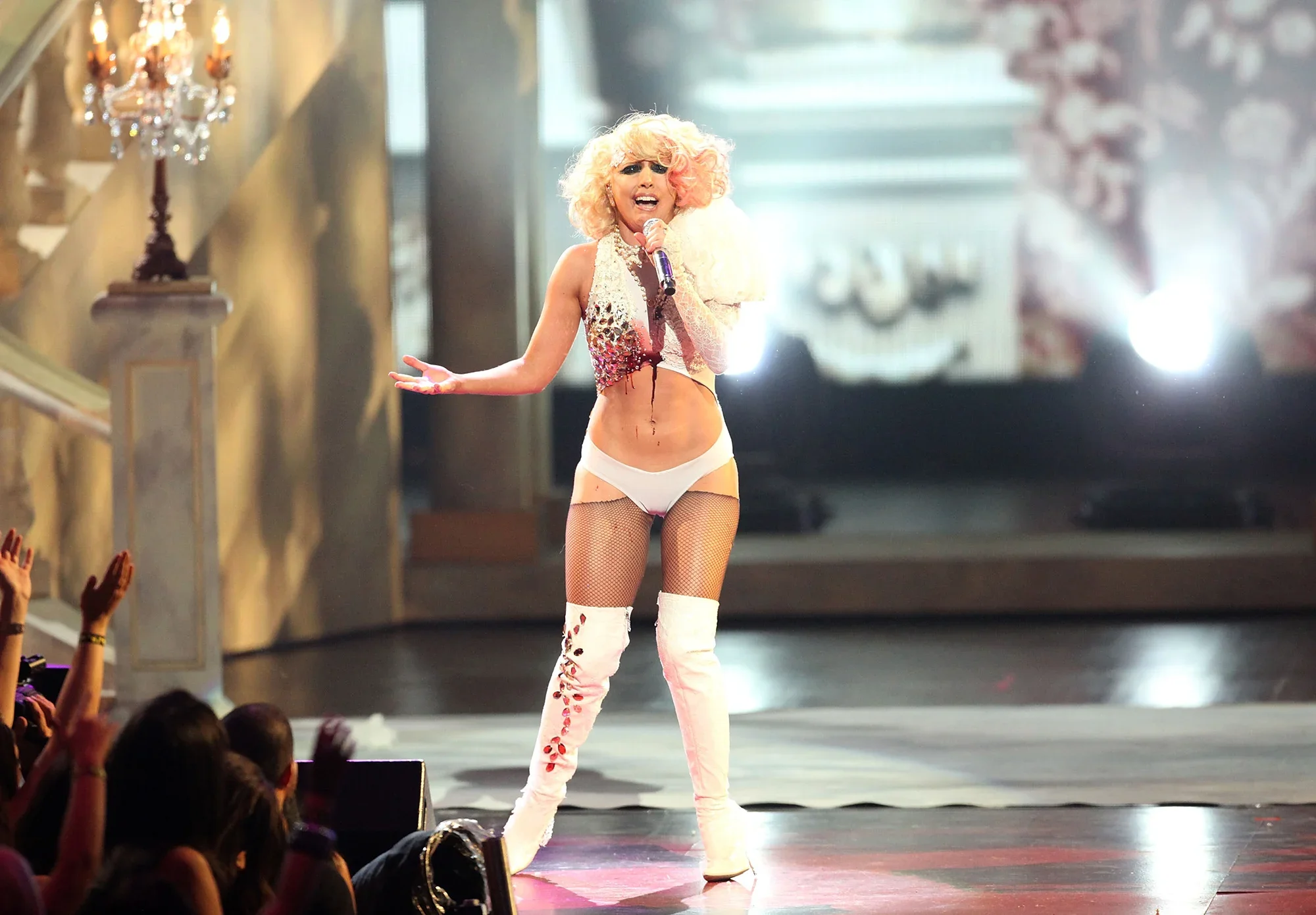

Image Courtesy: CNN Style
That’s what made the VMAs matter, not just that they entertained, but that they challenged. Today, we get red carpet looks that play it safe and performances that feel AI-generated. Everything’s polished and professional, but almost nothing feels bold. No real risk. No real edge. Just a loop of content made to scroll past. Without those cultural provocations, those performances that linger in your mind years later, the show loses what once made it iconic.
On top of that, rows of influencers, content creators, and semi-recognizable online personalities filled the seats where pop culture heavyweights used to sit. That’s the world now, fame is decentralized. Still, the shift was jarring. When red carpet captions read “TikToker” or “Digital Creator” instead of “Artist” or “Legend,” you start to wonder: are these seats earned, or are they just placements in a marketing plan? There was a time when being seen at the VMAs meant something. Now, it often means you’ve got a decent manager and a ring light.
Here’s the thing: it’s not that people don’t care about music anymore. It’s that music that no longer waits for the moment. There’s no build-up. No breath between releases. No time to let anything land. It’s just drop, consume, scroll, repeat. Songs are no longer experienced; they’re sampled. A single lyric, a 10-second chorus hook, maybe a danceable beat, that's what catches on. Tracks go viral not because people are discovering them through an emotional connection, but because an algorithm served them the most clickable slice. We don’t listen to songs as stories anymore; we listen to fragments that fit neatly into a trend. And in this era of fast-form content and parasocial closeness, we don’t need awards shows to bring us closer to celebrities. We live with them, in our feeds, on our For You Pages, in the comments section. The VMAs used to feel like a rare peek behind the velvet rope. Now, they’re just another TikTok carousel, one more piece of content in an endless scroll.
That’s the shift: music isn’t any less important, but the way we experience it has flattened. There’s less mystery, less anticipation, less awe. Without that, award shows like the VMAs, once the place where music’s biggest moments happened, struggle to justify their place in a culture that no longer waits for anything. The VMAs aren’t dead, they’re just lost. In chasing virality, they've forgotten vitality. What once was a night for bold statements, unpredictable performances, and genuine artistic risks has become a feed-friendly highlight reel, designed more for algorithms than audiences. The few moments that did cut through, Gaga’s eerie, operatic spectacle, Yungblud’s raw, untamed chaos, proved that it’s still possible to make music feel like an event. Until artists bring back the energy, the risk, the realness, and stop flattening their performances into bite-sized, TikTok-ready content, the silence surrounding the VMAs won’t be about ratings. The VMAs remember how to be vital, not just viral; the silence won’t be from lack of viewers, but from a lack of meaning.
Strike Out,
Writer: Alexia Cretoiu
Editor: Daniela Mendoza
Graphic Designer:
Tallahassee