
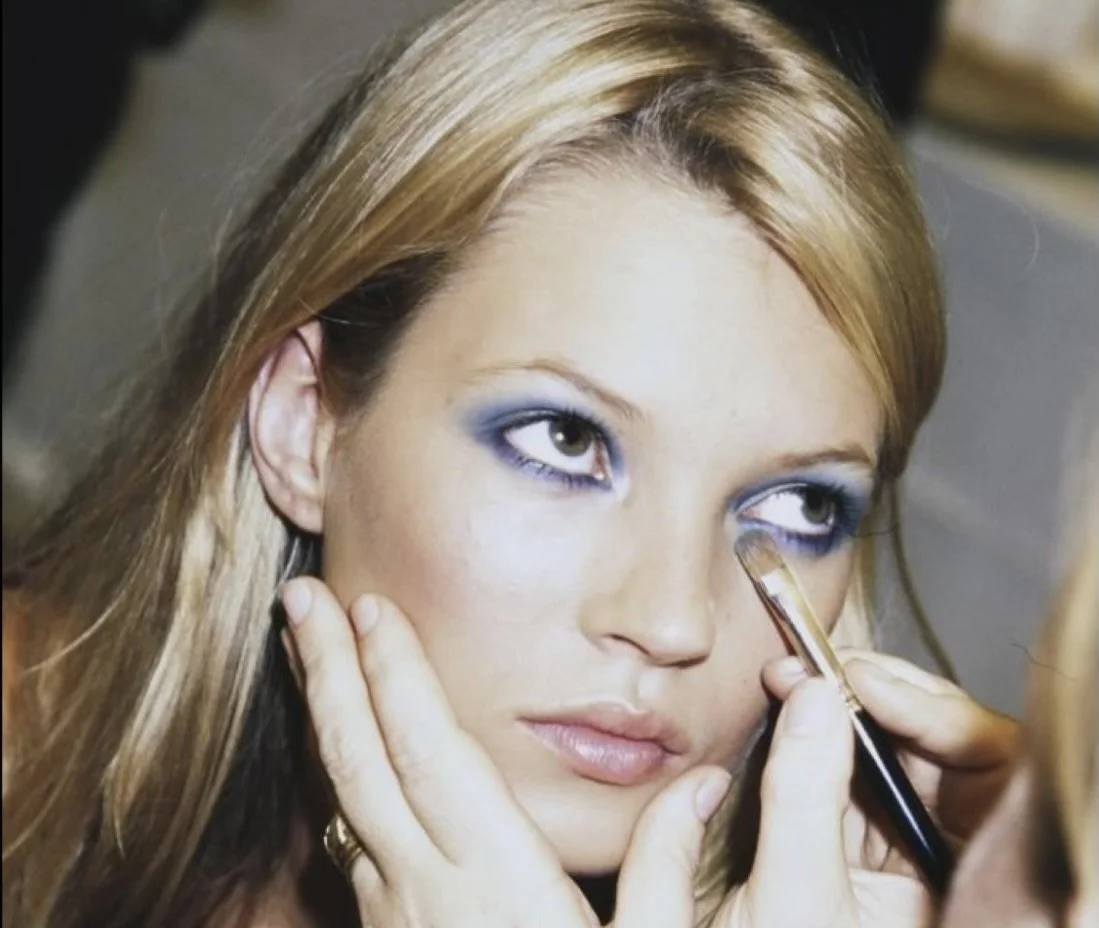
Image Courtesy: Pinterest
Before it glittered under disco balls or gained popularity on the internet, blue eyeshadow held social, spiritual, and physical significance. Blue has narrated a tale with each touch of the eyelid. It’s the color of glamor, rebellion, and protection, and is arguably one of the most timeless symbols of beauty.
Ancient Egyptian tombs are where blue eyeshadow first appeared. Males and females alike lined their eyes with pulverized malachite and lapis lazuli, which were crushed into colors and mixed with oils. It wasn't merely ornamentation, though. Blue was a sacred color that represented the gods, the heavens, and divine protection. It was worn by priests to summon the gods and by pharaohs to symbolize strength. Not only was Cleopatra's famous blue stare attractive, but it also had political, spiritual, and profound symbolic meaning. By wearing it, she exuded and signaled immense power and luxury, as blue was said to ward off evils and protect eyes from the harsh Nile environment.
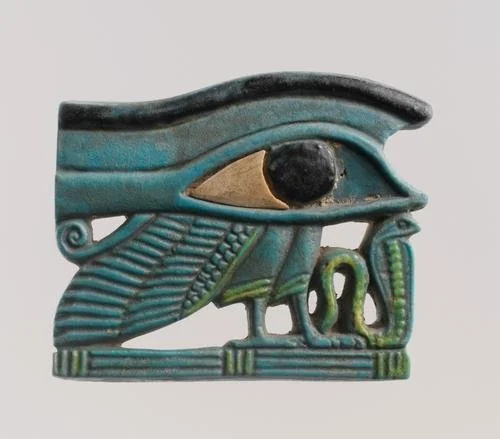
Image Courtesy: EES
Blue eyeshadow made a spectacular comeback through the heyday of Hollywood, millennia later. Screen sirens like Marilyn Monroe and Elizabeth Taylor contributed to the glamorization of frosted blue lids in the 1950s and 1960s, along with voluminous hair, crimson lips, and sculpted brows. Cold blues were marketed as the pinnacle of femininity and refinement in the era's beauty advertisements. In contrast to Cleopatra’s famous Eye of Horus shape, true blue in the 50s represented freshness and glamour.
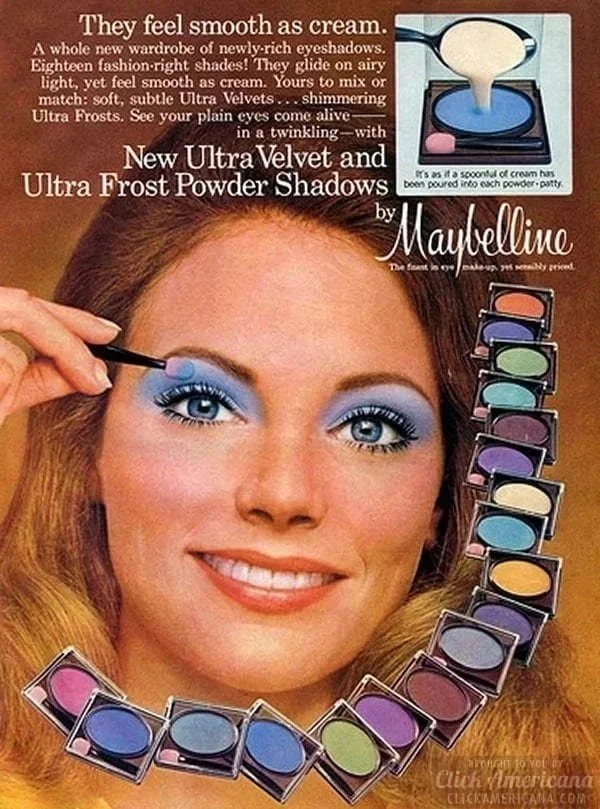
Image Courtesy: Click Americana
However, the tone changed by the mid-1960s. The Mod movement gave blue a daring new identity in swinging London. It had changed from being gentle and sensual to being obscene, young, and disobedient. Eyes became pop-art statements thanks to the popularization of powder-blue shadow by British celebrities like Twiggy, who paired it with voluminous lashes and harsh black liner.
Beyond merely being a cosmetic element, cinema heavily incorporated the makeup feature. Layla's blue eyeshadow in Buffalo '66 represents fragility, escapism, and subdued resistance. Her dazzling blue lids seem almost unreal in the muted, gray-toned environment of the movie, as though she doesn't quite fit in with the surroundings. Soft, nostalgic, and a little out of date, the color conjures up a notion of a doll from the past, expressing a need for control, warmth, or beauty in a world that provides none. It's about clinging to a version of herself that still has hope for a better future, not just about making an impression. Her use of makeup turns into a brittle act of defiance as a means of remaining visible in a society that seeks to obscure her. This stylistic choice by director Vincent Gallo allowed for cultural commentary on feminism in 90s cinema. The makeup established itself as a cult symbol of 90s indie film because it made the movie visually iconic in underground and alternative fashion circles.
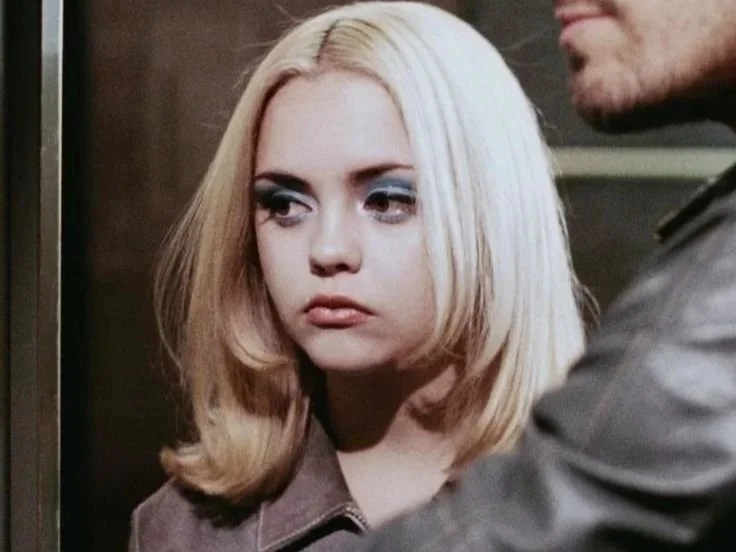
Image Courtesy: Pinterest
Blue eyeshadow didn’t disappear in the ’80s; it only amped up. Saturated shades like electric blue, turquoise, and midnight navy were swept across lids with fearless intensity. Icons like Cyndi Lauper and Prince turned makeup into a visual rebellion, using color to blur gender lines and challenge mainstream ideals. Blue became less about beauty and more about identity, becoming a bold, theatrical statement worn loud and proud.
The shade became softer and more camp-like throughout the 1990s. Pop music was dominated by icy metallics and frosted baby blues, which were popularized by artists like Christina Aguilera and Britney Spears. Taken from drugstore aisles and teen magazines, this version of blue was accessible, sparkling, and lovely. It was accessorized with body glitter and butterfly clips. As a slightly kitschy homage to girlhood and early internet-era glitz, it stopped being political and instead became whimsical and dreamlike.
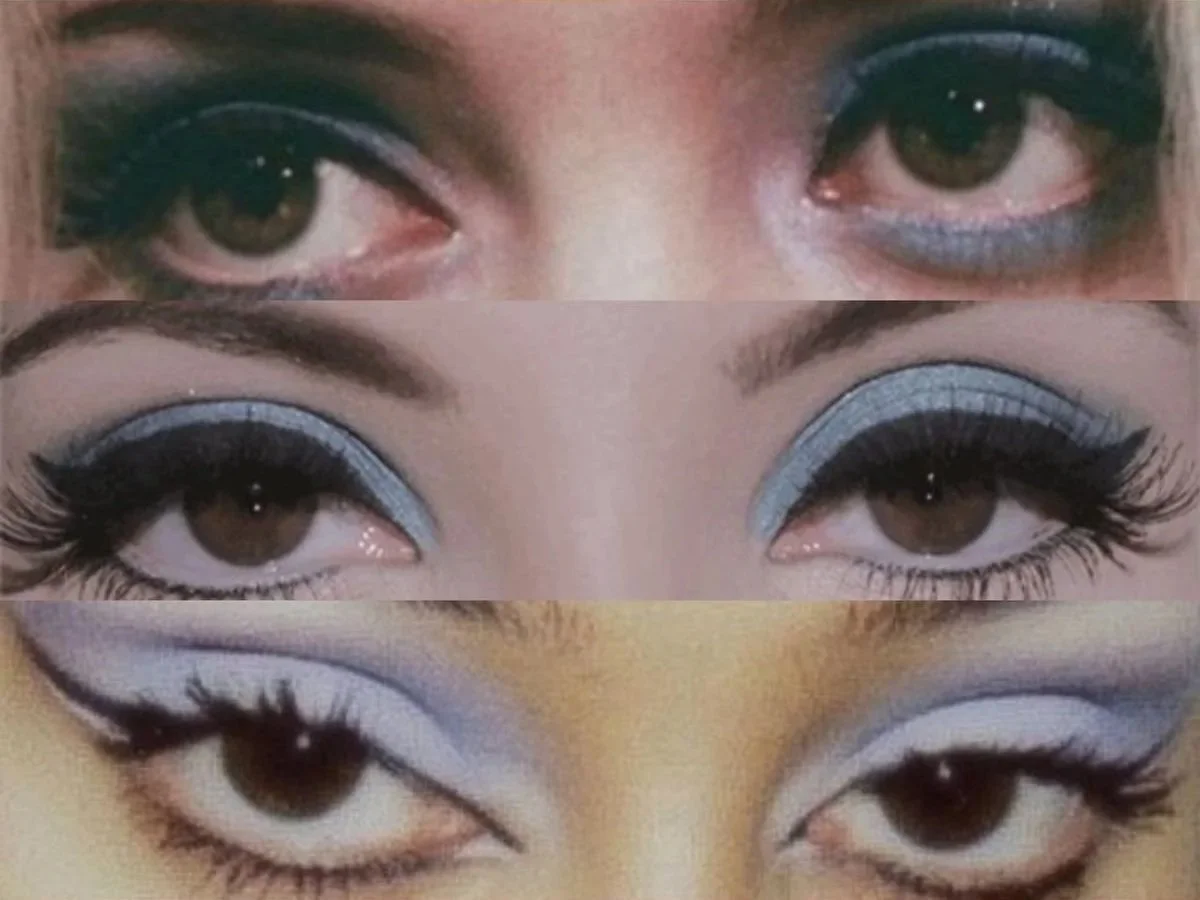
Image Courtesy: Pinterest
TikTok and Instagram depict blue eyeshadow as a Y2K revival today. This fits with a beauty culture that is based on digital natives, where makeup is a way to express yourself.
Adorning the iconic, cosmic baby blue on the eyelids is to borrow strength from the sky and the sea, a gesture that people have silently recognized for generations.
Strike Out,
Writer: Kavya Akkiraju
Editor: Daniela Mendoza
Graphic Designer:
Tallahassee