
Performative Males: the Consumerism Crisis

Image courtesy: Pinterest
I’m going to describe a certain kind of man for you. You’ve probably encountered him at least once before. He is wearing long, distressed jean shorts, a t-shirt with some kind of graphic on it (probably a cat or a popular female artist), vintage, expensive-looking shoes such as Rick Owens or Doc Martens, and wired headphones. He’s also holding an iced matcha latte in a plastic cup.
What I’m describing to you is the archetype of man that the internet has recently dubbed the “Performative Male”. This term refers to a man who indulges in things that will make him appear soft and sensitive (and therefore appealing) to women. However, the indulgence tends to be so immediately visible to any onlooker that it raises the question, “Does he indulge in these things because he actually likes them, or is he doing it for female validation?” This is where the performative title comes from.
Examples of this extremely visible enjoyment of traditionally “female” things include: listening to Clairo (but not just listening to her — posting her songs on your Instagram story so all your female followers know you listen to her), reading feminist literature (but not within the comfort of your own bedroom — on a public park bench or train for all the women in your proximity to see), and of course, drinking matcha (and making sure it’s visible in whatever pictures you post).
There is a lot to unpack within the media’s current obsession with this breed of man. While on the surface it seems like a silly internet meme that’s ultimately harmless, there are some deeper implications hidden behind the thrifted jorts and the 5 dollar cup of matcha.

Image Courtesy: Pinterest
Before delving into the more complex societal ripple that results from the Performative Male’s existence, I will take a moment to defend Performative Males everywhere. At the end of the day, anyone can enjoy what they want to enjoy. It is unfair to assume that all men who display the traits of the traditional Performative Male are inherently performative. Matcha is yummy and enjoyed by many — of course, men are not exempt from that. Clairo makes great music that deserves to be enjoyed by all, even men. Cats are adorable and should be universally appreciated; if a man wants to walk around wearing a shirt that features two cats reenacting the Titanic pose, more power to him.
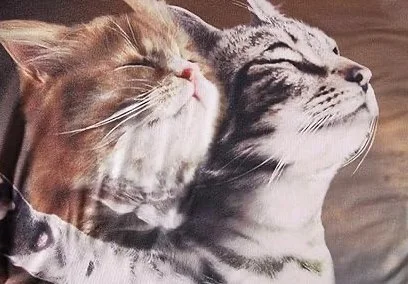
Image courtesy: Amazon
However, as easy as it would be to brush the “Performative Male” off as a harmless internet fad that has no real effects on the world around us, this would be doing a disservice to the very real consequences of the true, sinister force behind the trend: consumerism.
When you really break down the “Performative Male” phenomenon, it’s about curating an aesthetic. And how does one curate an aesthetic? By consuming. Purchasing the clothes that match the aesthetic you want for yourself. Buying the trendy iced beverage that aligns with the image you’re trying to create. Showing off the vinyls and merch you have bought for the artists you want people to know you like. Curation of an aesthetic can only go so far before you need to acquire tangible items to continue perpetuating it.
Again, there is nothing wrong with people enjoying the things they enjoy. Everyone deserves to indulge in their interests and show off the things they are passionate about. But it is undeniable that consumerism has reached rampant new levels of extremity in recent years, something that really only has negative effects on society.
One of these observable negative effects is the newfound matcha shortage. Matcha, a distinctly green-colored tea that originated from Japan (and popular drink of choice by cat-loving, Clairo-listening men everywhere), has been reportedly experiencing a shortage in recent months. Many news outlets, such as NBC News and Time Magazine, have detailed this shortage, and it can be directly linked to extreme matcha consumption rates. According to BlueCart, global market sizes are expected to grow by 10% or more each year for the next decade. This indicates the widespread, global obsession with matcha that has been occurring. But how exactly is this a consumerist issue? While no one should be shamed for wanting to enjoy a tasty, caffeinated tea now and then, there is a valid argument to be made that people do not need to be buying matcha every time they leave their house. If you watch any TikTok or vlog made by one of these Performative Males (and even the corresponding female demographics that enjoy the same things), you can usually see them grabbing a matcha before beginning their day of running errands or, of course, thrifting. This constant contribution to the purchasing and consumption of matcha is undeniably a leading factor in the skyrocketing global demand for it, which is causing the shortage.
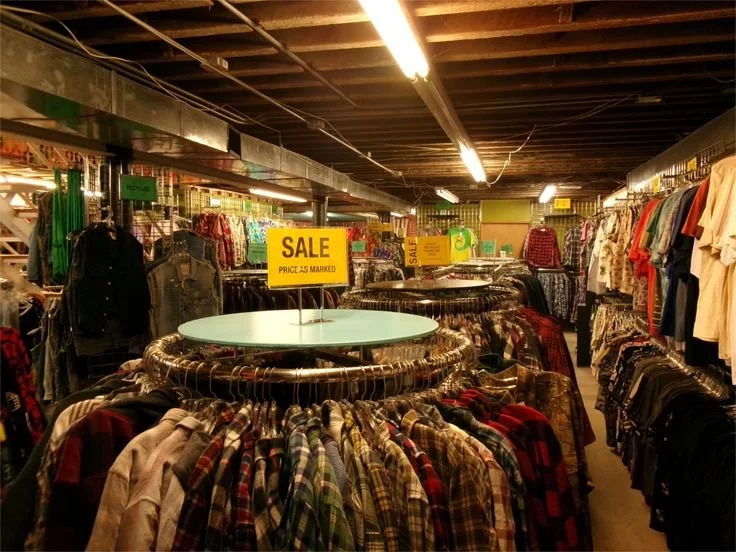
Image Courtesy: Pinterest
Another negative effect of rife consumerism in the name of “aesthetics” is the ever-rising prices of thrift stores. Performative Males, in particular, are known for showing off their love of thrifting, but what is the cost of this love? ThredUp, a popular online thrift company, has reported that the secondhand clothing market is expected to grow by over 50% by 2028. And naturally, when something is in high demand, it gets more expensive — which goes against a founding principle of many thrift stores: cheap prices. I am not here to make an anti-thrifting argument. Thrifting is a great sustainable alternative to buying new clothes from overpriced sellers and fast-fashion companies. But when people feel that they constantly need to be adding clothes to their wardrobe to maintain the image of themself they want to project out to the world, such as that of a sweet, sensitive boy, we’re left with the widespread mentality of “buy, buy, buy”. People will buy something that they think will match their desired aesthetic, only to end up disliking it and reselling it online for double the price. This has caused thrift store prices to jump, which ends up isolating them from their original purpose: providing access to inexpensive clothing for people who need it.
Thrifting-store-loving, matcha-drinking men everywhere, if you truly love these things and are not being performative, you should be able to indulge in them in peace. But if you are just trying to appeal to women online by showing them how “niche” and “feminine” your lifestyle is, maybe think twice. Do you really need to spend more of your money on a flashy attempt to garner female validation? If you’re already an internet meme, it might be time to walk out of Starbucks and away from Goodwill.
Strike Out,
Writer: Annaliese Long
Editor: Daniela Mendoza
Graphic Designer:
Tallahassee