
Prints of Conformity: We’re All Patterned the Same
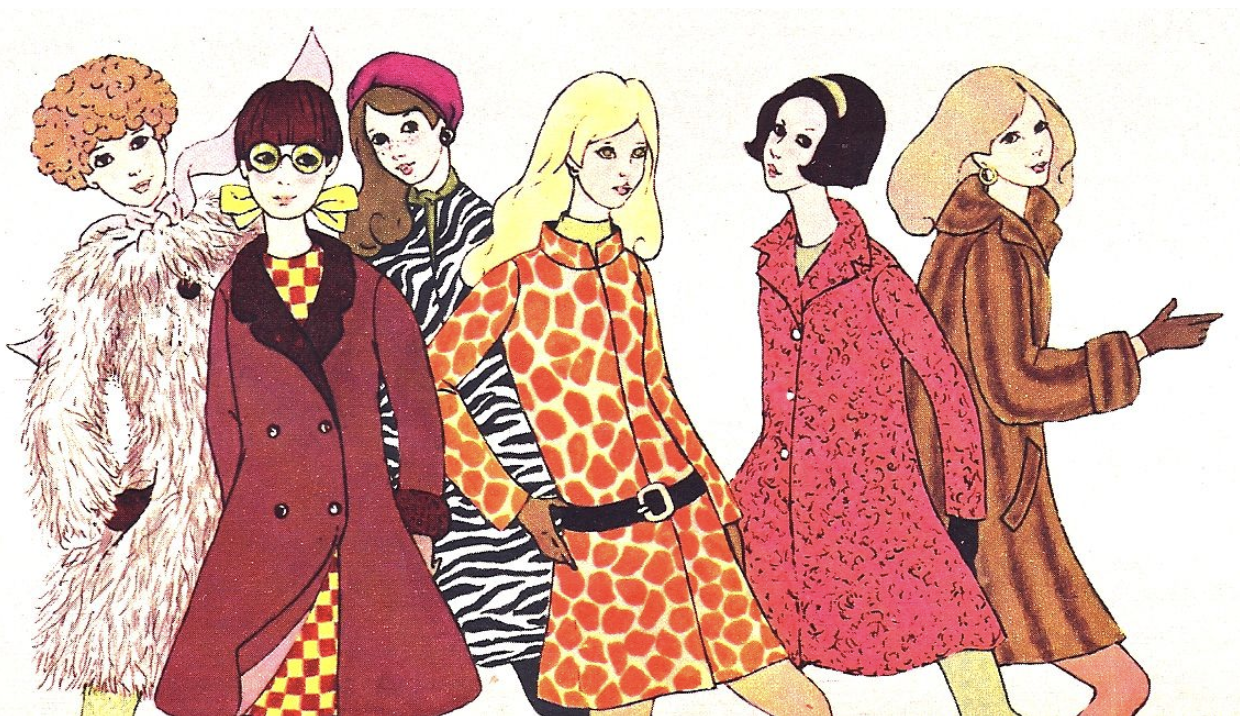
Image Courtesy: Pinterest
Every season arrives with its own obsession: polka dots, leopard spots, sailor stripes. They sweep across runways, seep into Zara racks, and flood our feeds until individuality blurs into repetition. What began as self-expression has become algorithmic choreography; we’re all patterned the same. However, the story of prints is older and more cyclical than the latest Pinterest trend spike. From houndstooth’s Scottish roots to Chanel’s nautical stripes, the re-arrival of playful polka dots, and leopard print’s evolution from royal regalia to a symbol of untamed glamour, the prints that define our closets today are built on centuries of cultural symbolism, rebellion, and reinvention.
To understand how these patterns have evolved, and how they’ve been repurposed for today’s fast-moving fashion cycle, we can start with one of the most enduring: houndstooth. Once called Shepherd’s Check, houndstooth was born in 19th-century Scotland, a tightly woven wool pattern that mirrored the jagged bite of a hound’s teeth. Originally utilitarian, it was worn by shepherds for warmth rather than fashion. Its precise geometry and optical rhythm made it irresistible to later designers. In his Fall 2009 collection, Alexander McQueen exploded the print into something almost hallucinatory, a study in distortion and control. The familiar check became abstract, warped, and menacing, transforming a symbol of tradition into one of subversion.
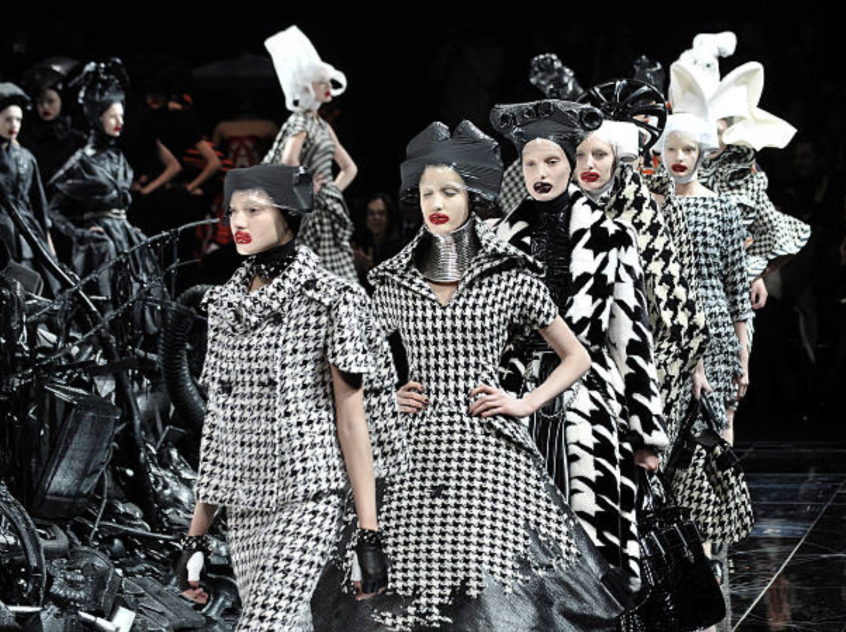
Image Courtesy: GettyImages
In 2025, houndstooth has resurfaced once again, filtered through the lens of social media minimalism. The pattern appears on cropped blazers, mini skirts, and oversized coats, styled with platform loafers and sleek sunglasses, then multiplied across TikTok feeds. What once carried the weight of heritage or avant-garde experimentation has become a visual shorthand for “put-together.” The edges are softer now, the contrast cleaner. Houndstooth has gone from symbol to template, another pattern repeating itself in the endless scroll.
As fashion’s language loops through eras, no print captures its cyclical reinvention quite like the polka dot. Polka dots have a history as layered as their seemingly simple pattern. In the Middle Ages, spots evoked disease, reminders of the plague, smallpox, and leprosy, making them ominous symbols rather than decoration. The Industrial Revolution changed that. Advances in textile printing and the sewing machine allowed for perfectly round, evenly spaced dots, transforming them into icons of modernity and joy. By the 1920s, polka dots had become a cultural touchstone: Miss America contestant Norma Smallwood sported a dotted swimsuit in 1926, and Disney’s Minnie Mouse made her debut in a red polka-dot dress just two years later, cementing the pattern’s place in popular culture.
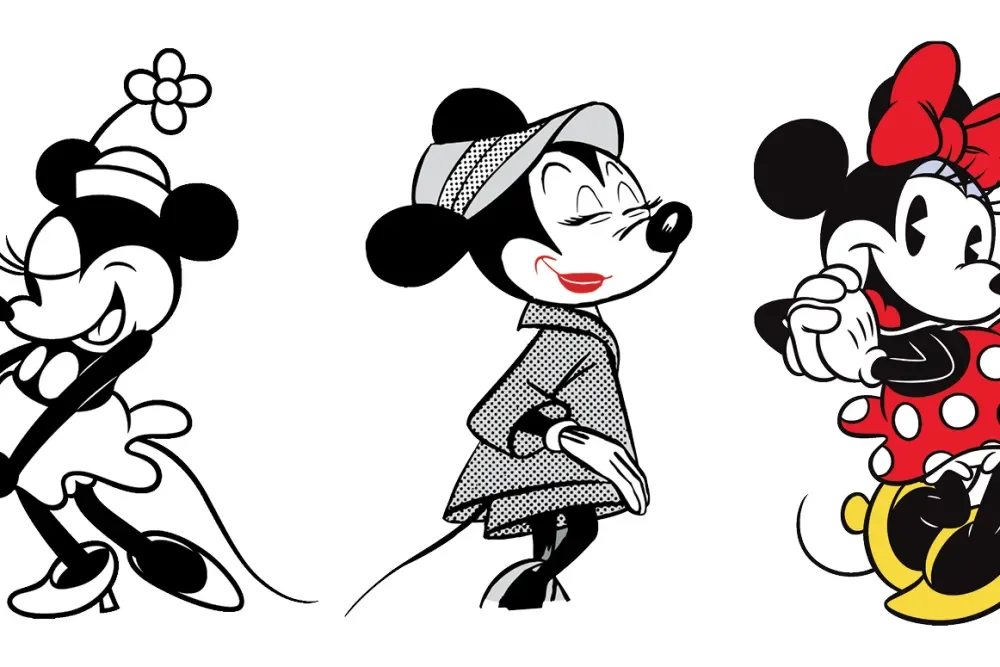
Image Courtesy: Variety
Through the mid-20th century, polka dots became a recurring motif in film and fashion. Marilyn Monroe, Lucille Ball, and Princess Diana all embraced the print, translating it from playful novelty to sophisticated style. Japanese artist Yayoi Kusama later elevated dots to conceptual art, collaborating with Louis Vuitton in 2012 and again in 2023, turning her obsession with repetition into luxury fashion statements.
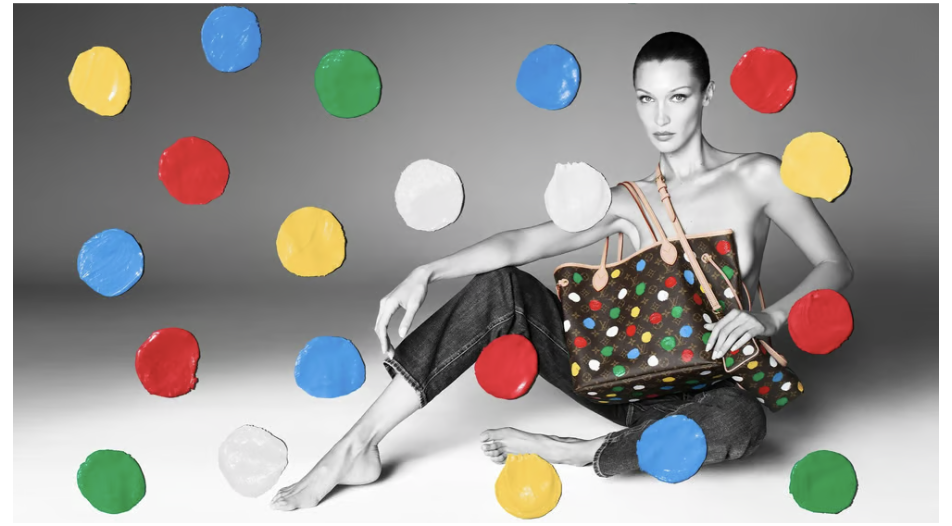
Image Courtesy: FashionNetwork
Today, polka dots remain firmly in the high-fashion canon. Valentino, Dries Van Noten, Nina Ricci, Schiaparelli, and Miu Miu featured polka-dot designs in their Fall 2025 collections, from full gowns to subtle trims, proving the print’s enduring versatility. On the street, the pattern has become nearly ubiquitous, appearing on dresses, handbags, and even sneakers, showing how a centuries-old motif continues to dominate both couture runways and everyday wardrobes. Its charm lies in its ability to be playful or refined, bold or understated, but in the current cycle of microtrends, even timeless prints like these are recycled, repeated, and remixed to suit the speed of trend culture.
As with houndstooth and polka dots, the evolution of stripes reveals how fashion can rewrite the meanings of even the most charged symbols. Once a mark of the outcast, prisoners, jesters, and prostitutes, stripes gained unexpected redemption in 1846 when Queen Victoria dressed her son, Albert Edward, in a sailor-striped suit, imbuing the pattern with innocence and prestige. It wasn’t until Coco Chanel’s 2010 resort collection, however, that stripes truly entered the lexicon of modern fashion. Inspired by the Breton uniforms she had seen during trips to the French coast, Chanel transformed the maritime stripes into effortless luxury leisurewear. Her designs were revolutionary: the clean, horizontal lines suggested movement and freedom while maintaining an understated elegance, making stripes synonymous with casual sophistication.
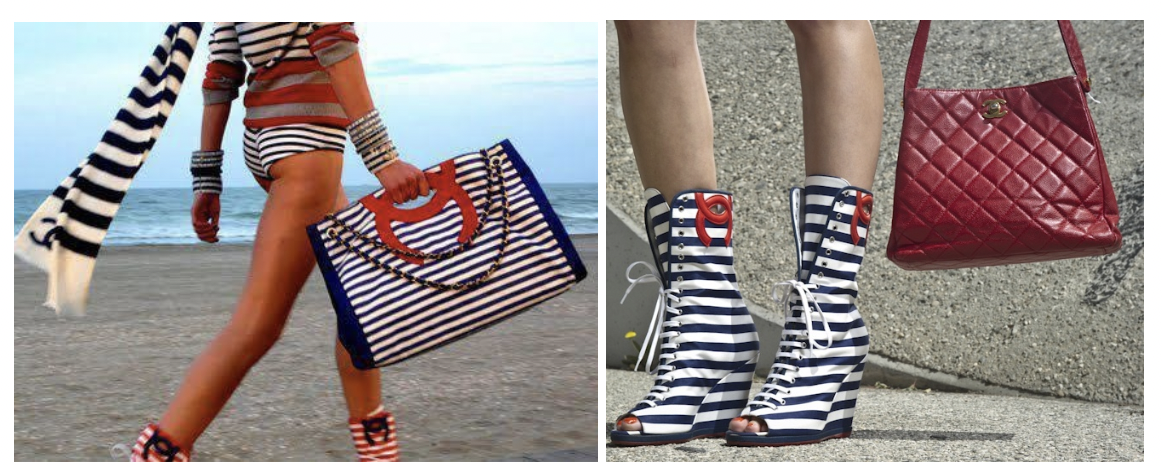
Image Courtesy: Pinterest
Throughout the decades, stripes became a playground for experimentation. Missoni transformed them into undulating chevrons, adding texture, color, and optical illusion to knitwear, while contemporary designers like The Row and Tove continue to reinterpret them through minimalist silhouettes and muted palettes, turning stripes into a study in restraint. The pattern’s appeal lies in its versatility: it can read playful or austere, formal or relaxed, depending on scale, color, and context. Yet even today, stripes embody a paradox; they promise individuality while simultaneously signaling conformity. Their presence across luxury runways, ready-to-wear, and street style alike makes them a perfect metaphor for fashion’s ongoing tension between rebellion and repetition.
Where stripes suggest discipline and structure, leopard print unleashes the opposite, raw instinct, allure, and rebellion rendered in fabric. Once worn by African royalty as a symbol of power and status, leopard print was later fetishized in mid-century Hollywood, embodying both glamour and danger on the silver screen. Dior’s 1947 Jungle collection domesticated the pattern for European couture, translating the wild motif into tailored coats, dresses, and accessories that retained its exotic allure while fitting the codes of high fashion. By the 1980s, leopard print had been adopted by glam rock and punk subcultures as a statement of rebellion, worn on leather jackets, skinny pants, and stage costumes. It became shorthand for defiance, sexuality, and attitude.
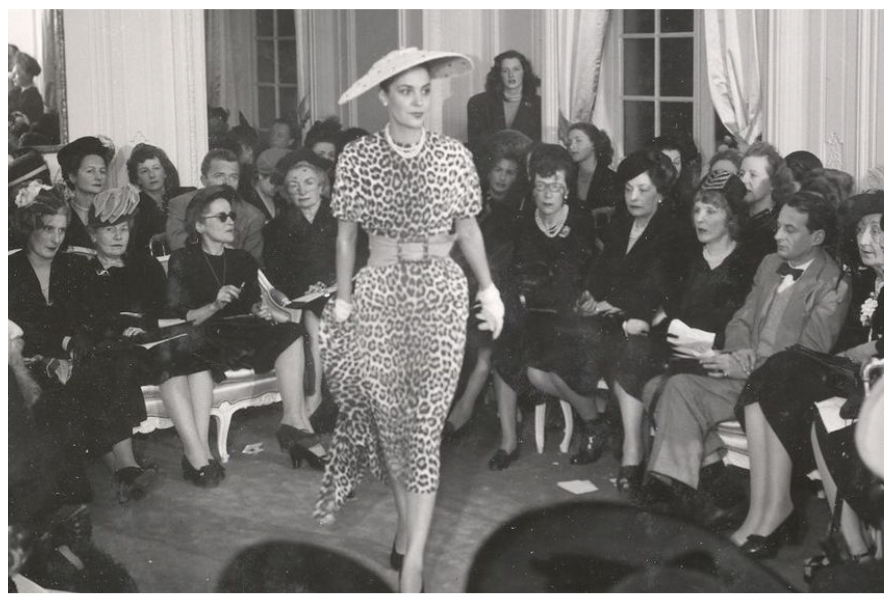
Image Courtesy: Pinterest
In contemporary fashion, cheetah and leopard prints have evolved into a ubiquitous microtrend. They cycle back season after season, often framed as “vintage revival” or “timeless classic,” yet their context has shifted. The raw energy of rebellion and aristocratic power is softened for Instagram aesthetics: the print appears on slip dresses, handbags, iPhone cases, and mass-market fast fashion, its symbolism diluted. Even as high-fashion brands like Dolce & Gabbana, Roberto Cavalli, and Saint Laurent continue to reinterpret it on the runway, the print has largely transitioned from a marker of risk and individuality to a visual shorthand, instantly recognizable, endlessly replicated, and, paradoxically, somewhat predictable. Fashion’s wildest print has been tamed, its roar reduced to a controlled purr, echoing the broader pattern of repetition that defines today’s microtrend culture.
What all these patterns share is their remarkable ability to cycle through time, reinvented by each generation, yet fundamentally recognizable. And still, in today’s social-media-driven fashion ecosystem, this timelessness has taken on a new dimension: repetition has become conformity. The same polka-dot top appears in every street-style feed, the same cheetah-print shorts fill TikTok hauls, and oversized striped blazers populate Instagram grids. What was once a symbol of individuality, playfulness, or prestige has become a visual shorthand, an instantly legible marker of trend compliance.
These prints, historically rich and culturally loaded, now serve as tools of algorithmic approval. Fashion no longer signals just taste or identity; it signals participation. The irony is that the motifs designed to express individuality, to delight, shock, or subvert, have now become templates; endlessly recycled, remixed, and replicated. In a wardrobe dominated by viral patterns, true originality is harder to achieve. Polka dots, houndstooth, stripes, and cheetah print may still carry centuries of history, but in the age of microtrends, their power lies less in self-expression and more in shared recognition.
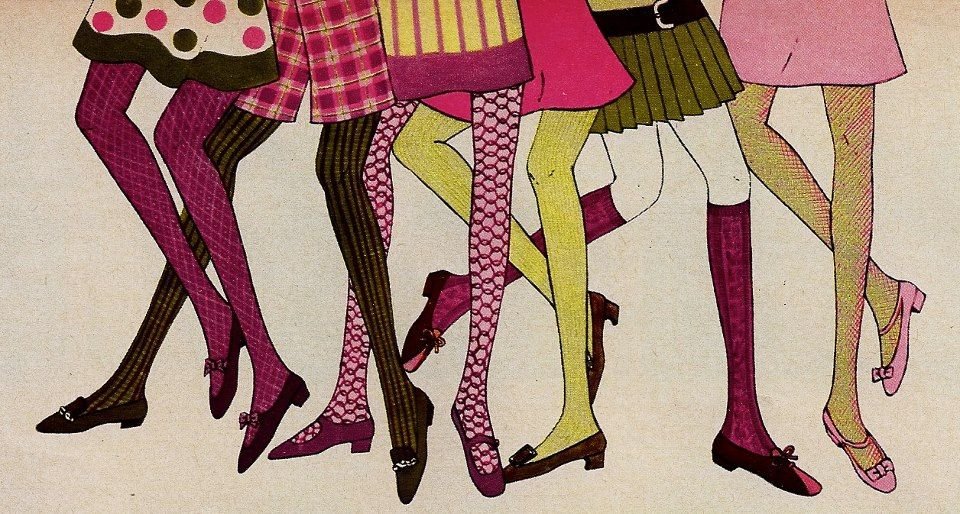
Image Courtesy: Pinterest
Ultimately, the “prints of conformity” remind us of fashion’s paradox: the more a pattern persists, the more it invites imitation. We wear polka dots because they are timeless, but perhaps, in doing so, we also wear the algorithm, echoing the same motifs over and over until individuality blurs into repetition. Fashion’s history is rich, but the feed never stops scrolling.
Strike Out,
Writer: Alexia Cretoiu
Editor: Daniela Mendoza
Graphic Designer:
Tallahassee