
Trading Pretty for Peculiar
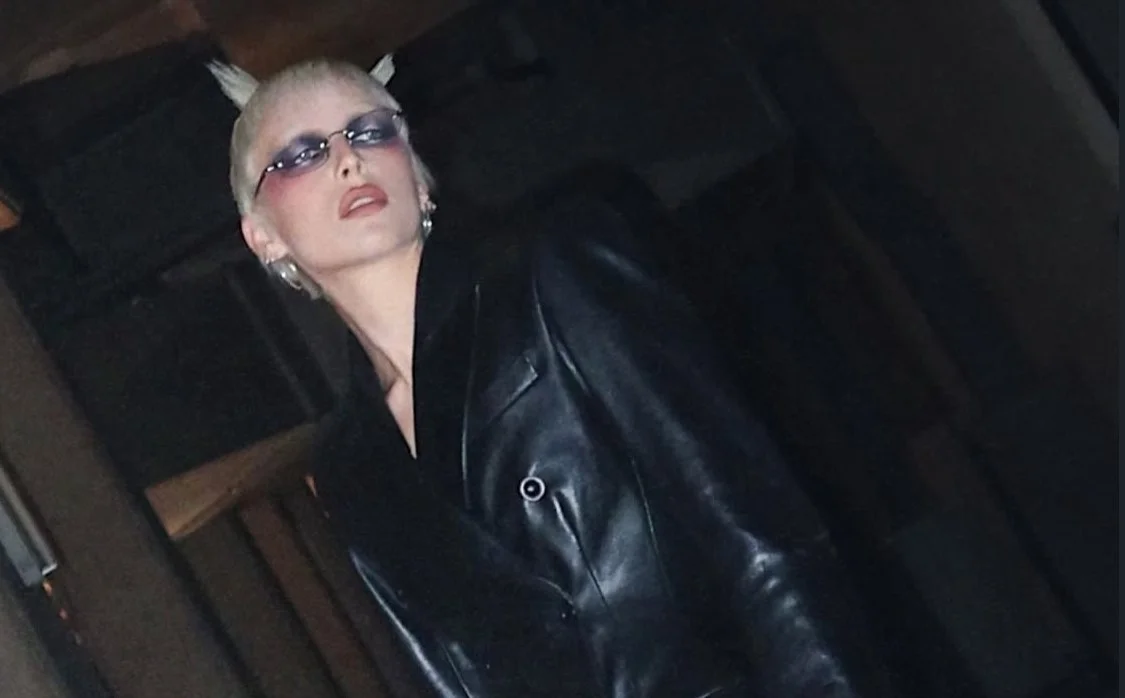
Image Courtesy: Instagram
For as long as women have existed, beauty standards have too, and throughout all of civilization’s different eras, they have seen countless changes and fluctuations. From a full, voluptuous figure during the Renaissance to a straight, slender frame during the roaring ‘20s, there has always been a throughline: being pretty and being feminine is vital to being attractive in society’s eyes. However, in recent years, there has been a growing subsect of women who, intentionally or not, have defied societal pressures to be “beautiful” and have instead prioritized a personal style that focuses on trying to appear as unique and “interesting” as possible.
When thinking of this new wave of stylistic expression, some women who come to mind include Julia Fox, Alex Consani, Doja Cat, and Emma Chamberlain. These women all have styles that are very distinct from each other, but with the commonality of being distinctive, they could be seen as prime examples of this new take on beauty. Some key signifiers of this beauty trend, which all the women mentioned have been seen sporting, include bleached or shaved eyebrows, avant-garde makeup, and unconventional haircuts that defy the persistent expectation for women to have long, flowing locks.
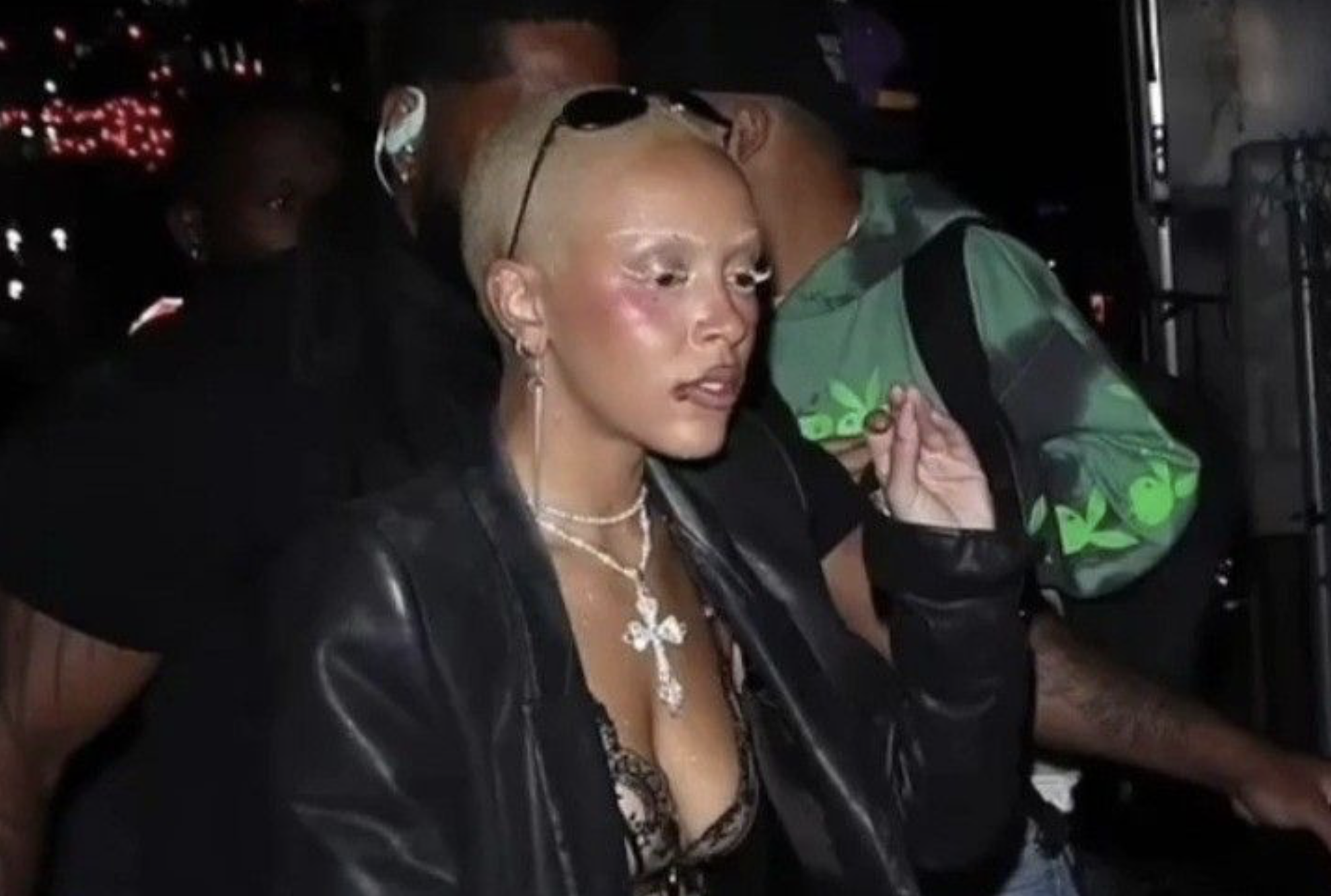
Image courtesy: Pinterest
But why is it significant that women are choosing to have personal styles that go against these conventional beauty expectations? The implications of this new phenomenon go beyond simple trends and fads in the beauty world — they speak to a larger idea of how traditional ideals of beauty relate to perceived traits of intelligence, sophistication, and artistry.
The worlds of beauty and fashion have always been closely intertwined, so it’s no surprise that to understand this relationship, we need look no further than the beauty standards perpetuated within fashion shows. A good example of this is the annual Victoria’s Secret Fashion Show, which most recently took place on October 15. The show features various models walking the runway while donning signature lingerie in what is ultimately an event meant to market the brand and sell products. The concepts of love, romance, and lust are a big part of Victoria’s Secret’s brand, so naturally, their models are specifically styled to be the epitome of what society considers to be attractive and sexy. This means sleek and voluminous hair, bright, glowing skin, and a simple but glamorous makeup look.
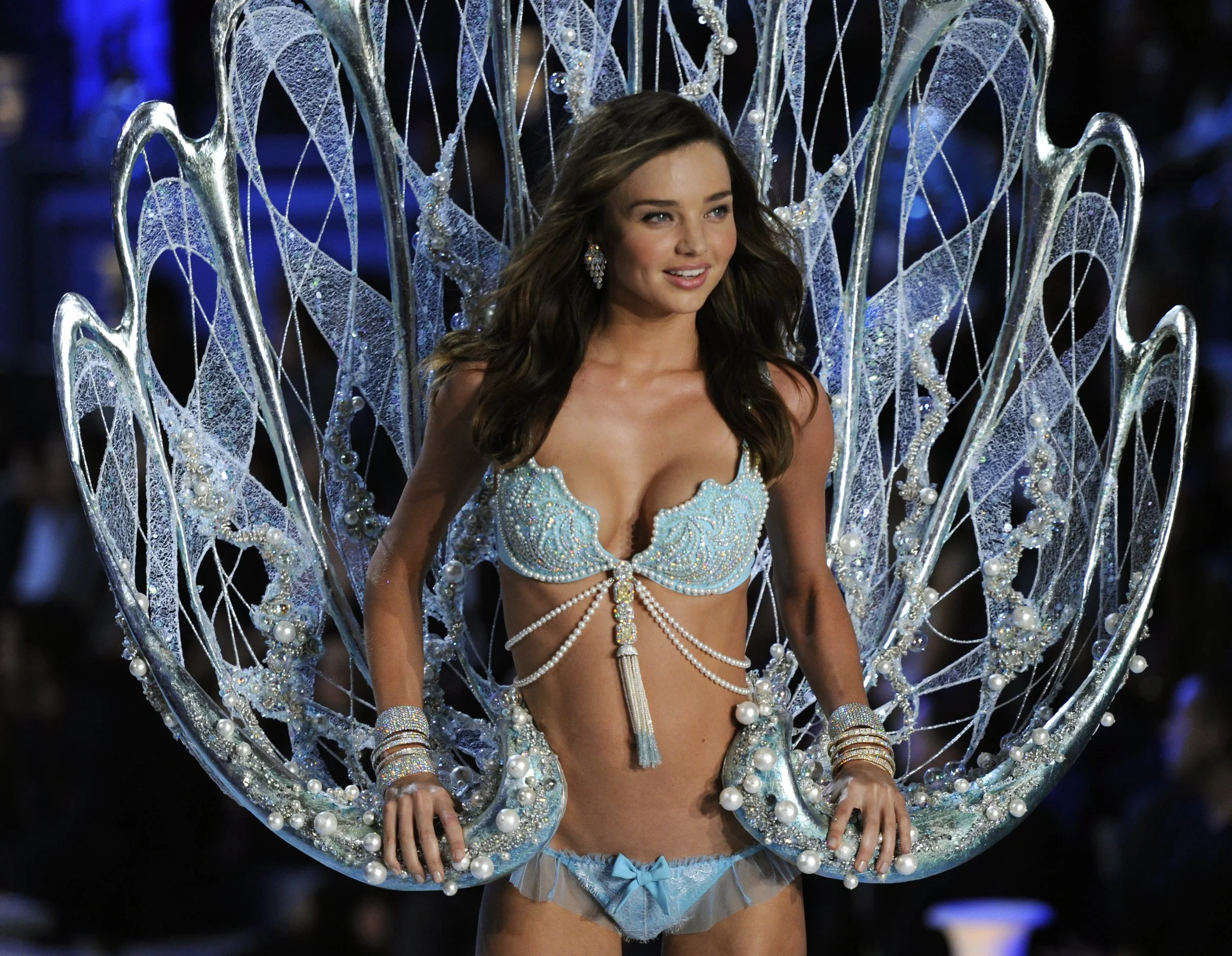
Image courtesy: CNN
The catch is that Victoria’s Secret is not taken particularly seriously or deemed as an artistically innovative presence within the world of fashion. There is a very conventional, accessible-to-everyone reputation surrounding them. They are marketed to appeal to the societal majority, which means that their beauty standards are also meant to appeal to the societal majority. This can be seen in the beauty trends present in the show’s audience. Most attendees are made to look traditionally attractive and glamorous, with their hair styled in various classic styles and sporting makeup looks that are flattering, but not boundary-pushing. Perhaps it is because of this lack of boundary-pushing that Victoria’s Secret, and other brands comparable to it, do not get categorized as “high fashion.” Because there is nothing present that falls outside the realm of conventional beauty standards, these types of brands are deemed as less intellectually and creatively stimulating, and garner less respect within their own field, though they remain popular with the general public.
On the other end of the spectrum, if you were to look at the beauty standards perpetuated in the various fashion shows of Paris Fashion Week, you’d walk away with an idea of beauty that is much more focused on features that are unique and dramatic rather than stereotypically pretty and feminine. Paris Fashion Week is regarded as one of the most important and exciting fashion events of the year, and the emphasis on unique and “artistic” beauty is reflected in the makeup of both the models and attendees. Models within the event almost always possess an otherworldly, ethereal type of beauty, and those in attendance can be seen trying to channel these beauty values into their own appearances. In a stark contrast to the simple glam makeup and bouncy blowouts present at the Victoria’s Secret show, at these high-fashion events, hair is often twisted and sculpted into strange, exciting styles, and makeup veers into the bold and even slightly unsettling. These differences in the beauty standards that are perpetuated reflect the underlying values that are associated with ideals of beauty, and the unconventional, innovative looks seen at these high fashion events share a message along the lines of: “We value the artistry of that which lies outside the walls of conformity.”
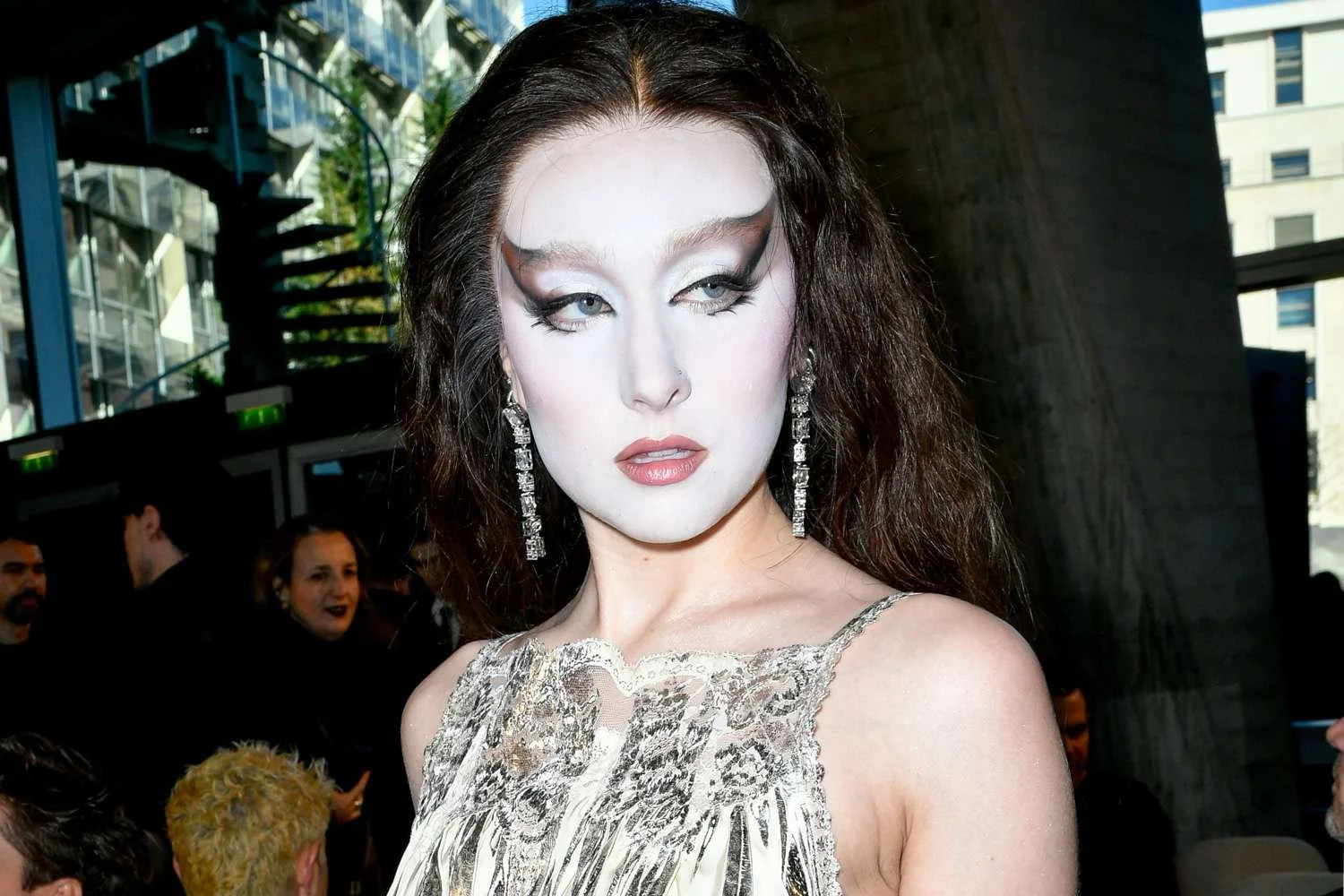
Image courtesy: People
In the eyes of the general public, the Victoria’s Secret Fashion Show is less respected but generates more physical admiration, while Fashion Week shows are taken more seriously but create more mental stimulation than physical attraction. By actively choosing to style themselves to look as interesting as possible rather than as pretty as possible, women are, intentionally or not, taking a stance against the restrictions of society’s beauty rules. They are asserting that they value their creativity and innovativeness over their overall physical appeal, which is a liberating concept for a lot of women who have, for centuries, been told by society that their physical attractiveness is of utmost importance.
Beauty is in the eye of the beholder and is ultimately a surface-level concept that relies on perception and presentation. Regardless of whether it’s expressed through a widely accepted look or a shocking and innovative one, all that matters is that our own styles of beauty resonate with us personally. Still, I can’t help but feel a sense of admiration for those who choose to go against the grain of traditional beauty standards and, by extension, reject the power that these beauty standards attempt to have over us.
Strike Out,
Writer: Annaliese Long
Editor: Daniela Mendoza
Graphic Designer:
Tallahassee