
The Animal Print Rebrand: The Rise of Deer Print
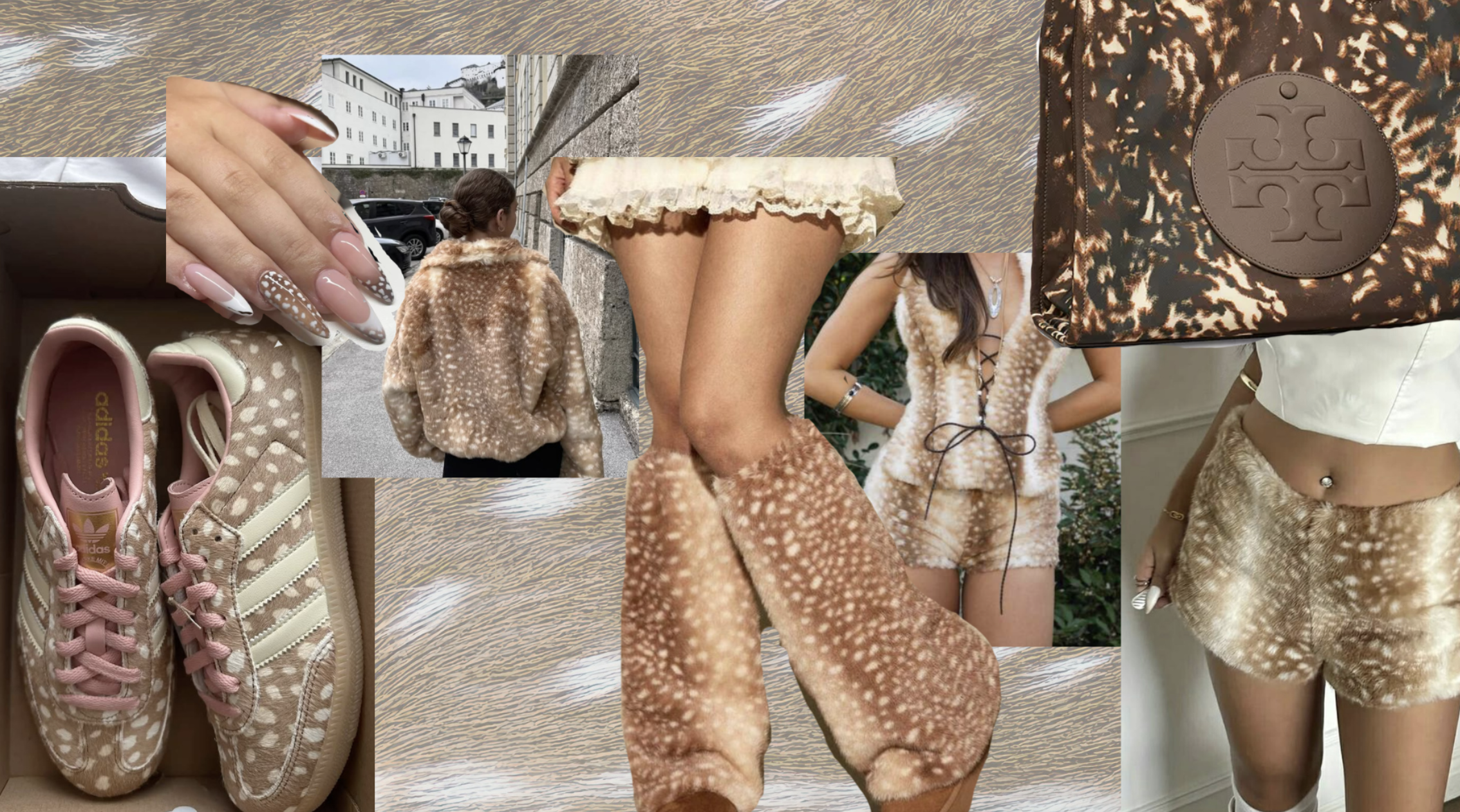
Image Courtesy: Lilie Theby
For decades in fashion, the undisputed animal print hierarchy has been relatively undisputed and unchanging. The iconic leopard, tiger, zebra and even occasional snake prints have reigned supreme and stable. But in recent times, fashion has found a new style to fawn over: the deer print.
Spotted across runways, moodboards, and celebrity closets, the deer print has emerged as an unexpected fashion trend this year. The pattern is inspired by the soft, white-spotted coat of the animal, challenging high contrast marks and stripes of traditional animal prints and offering muted browns and creams. This gentle yet recognizable look creates a more subdued and naturalistic pattern.
The trend has not purely manifested out of the blue- fashion has been flirting with the idea of the deer motif for the past couple of years. Before making its way into major collections and stores, the animal began gaining traction on social media, particularly TikTok and Pinterest. There, deer-inspired fashion and aesthetics have developed into a recognizable design within certain styles. Most notably present in fashion with pastel pink bows, white ruffles, and other coquette-style pieces, the deer print introduces a timid and docile energy to a style already defined by softness and femininity. The woodland nostalgic energy compliments the romantic quality of coquette fashion, bringing popularity to deer-print as its own sort of aesthetic.
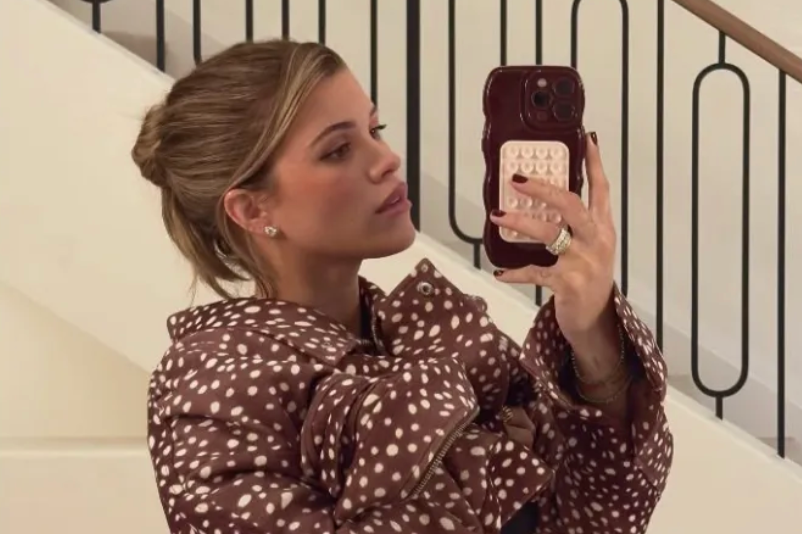
Image Courtesy: Instagram
The trend has since moved beyond the stage of microtrend, with Tory Burch featuring deer print prominently in its Fall 2025 collection, bringing deer print into a luxury-fashion context and demonstrating its versatility beyond the softer aesthetics that gained it traction online. Fashionable celebrities such as Sofia Richie Grainge also embraced the trend, where she promoted a plush deer-print coat by SRG Atelier. New York City based designer Sandy Liang included the fawn-inspired print in her clothing collaboration with Gap, bringing the motif into a more accessible and youthful fashion space. Fawn print is being interpreted across different avenues of fashion, from polished collections to celebrity style and everyday clothing.
The appeal of deer print is not just in that it brings another animal print to the table. This popularity shows a shift in the way that fashion is incorporating animals into its visual imagery and introduces more unique ways to communicate style and identity.
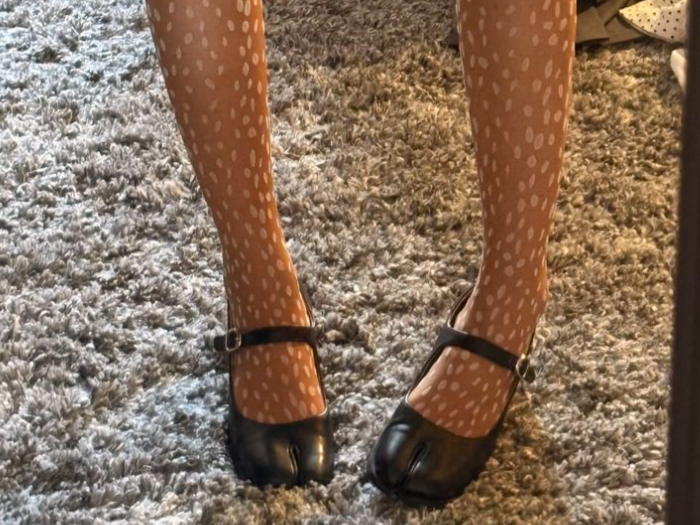
Image Courtesy: Pinterest
Leopard, arguably the most popular animal print in fashion historically, has long carried associations of confidence and sexuality. The spots are vibrant and demand attention, clearly markings of a predator. Other prints such as snake and tiger evoke similar qualities, drawing on images of power and danger. These patterns can absolutely be styled in softer or feminine ways; however their animal origins carry an inherent sense of boldness. Deer print, in contrast, draws from a new visual idea. Rather than sharpness and intensity, the soft coloring and delicate pattern may evoke something meeker. This contrast is what makes the trend so unique and unexpected. The popularity of deer print may suggest that rather than predator, fashion is veering towards the woodland creature. Forget the jungle, fashion is taking a trip to the forest.
As polished, formulaic aesthetics have dominated fashion in recent years, there has been a growing desire for more personality and whimsy. The popular ‘clean girl’ and ‘pilates princess’ styles, for example, have revolved around the idea of polished and coordinated looks that often rely on neutral colors and organized accessorizing. Deer print offers a way to break from this uniformity without abandoning the softness and femininity that these aesthetics are built around. A deer print skirt, wallet, or set of ballet flats can add a sense of playfulness and individuality to an otherwise simple look without feeling overly disruptive. Perhaps this balance is an aspect of what makes the deer print so appealing: it can allow wearers of popular aesthetics to add something unexpected to an outfit without disregarding an already established style. The popularity of the print reflects a desire for clothing and accessories to feel personal without always being loud.
In a fashion landscape increasingly molded by social media influence, the ability to personalize an already existing aesthetic may be more valuable than creating an entirely new one. Perhaps this is what makes the deer print trend more notable than simply another pattern rotating through the quick-changing cycles of fashion. The popularity reflects a desire for clothing and accessories to feel personal without always being loud.
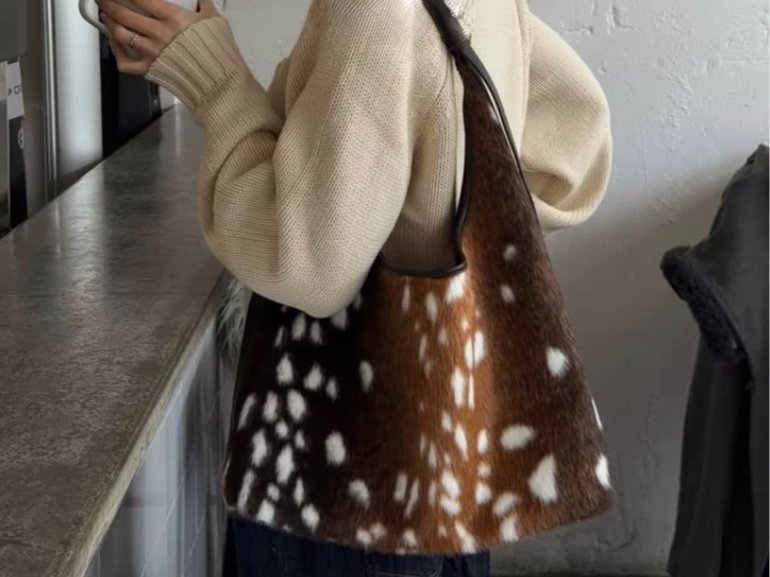
Image Courtesy: Pinterest
Leopard and tiger may have spent decades representing a bold and untamed manifestation of fashion, but deer print offers another version of what it can mean to stand out. The rise of deer print is less about replacing the more historically popular prints, and more about expanding what animal print in fashion can be. It does not need to compete with the boldness of leopard print or the sleekness of snake print. Fawn print instead offers the option of something quieter and softer, more woodland and storybook.
I hope to see deer print as more than a passing trend, an indication of where animal-inspired fashion might be headed towards. As fashion continues to embrace new animals, patterns, and meanings, deer print shows that animal print does not have to be limited to the traditional boldness of leopard or vibrancy of tiger. The rise of the deer print is not about replacing the animals we already know, but opening the possibilities of what might come next. Fashion’s next wild idea might not be too wild at all.
Strike Out,
Writer: Lilie Theby
Editor: Alexia Cretoiu
Graphic Designer:
Tallahassee