
Warning: the following content discusses themes of disordered eating
It’s too often I hear passing comments about disordered eating.
“I haven’t eaten anything today.”
“I wish I could eat as little as them.”
“This is going to make me so fat,” someone says as I’m already mid-bite.
What people don’t realize is that these words aren’t harmless; they plant seeds, they trigger, they spread.
Eating disorders are parasites. They can slip into anyone, at any time, disguising themselves as discipline, or even control.

Photo courtesy: Pinterest
At first, the damage seems purely physical. Extra hair falling in the shower drain, a breeze feeling colder than usual, legs turning to jelly mid-run, clothes fitting differently and skin dulling.
Then, the parasite takes root in your mind, controlling your senses. The mirror reflects someone unrecognizable. Every thought is counted in calories. Brain fog takes over.
Eventually, the parasite takes over your entire life: Friends drift. Relationships suffer. Parents watch helplessly, unsure how to help next.
The parasite becomes your life. You flake on your friends because you’re too tired and irritable. You miss family dinners out of fear of overindulging. You can’t enjoy Thanksgiving because you are too focused on what you are eating.
The parasite turns you into a different person. You lie to your loved ones about what you’ve eaten, you fail to keep in touch with your friends, and calories become your top priority.
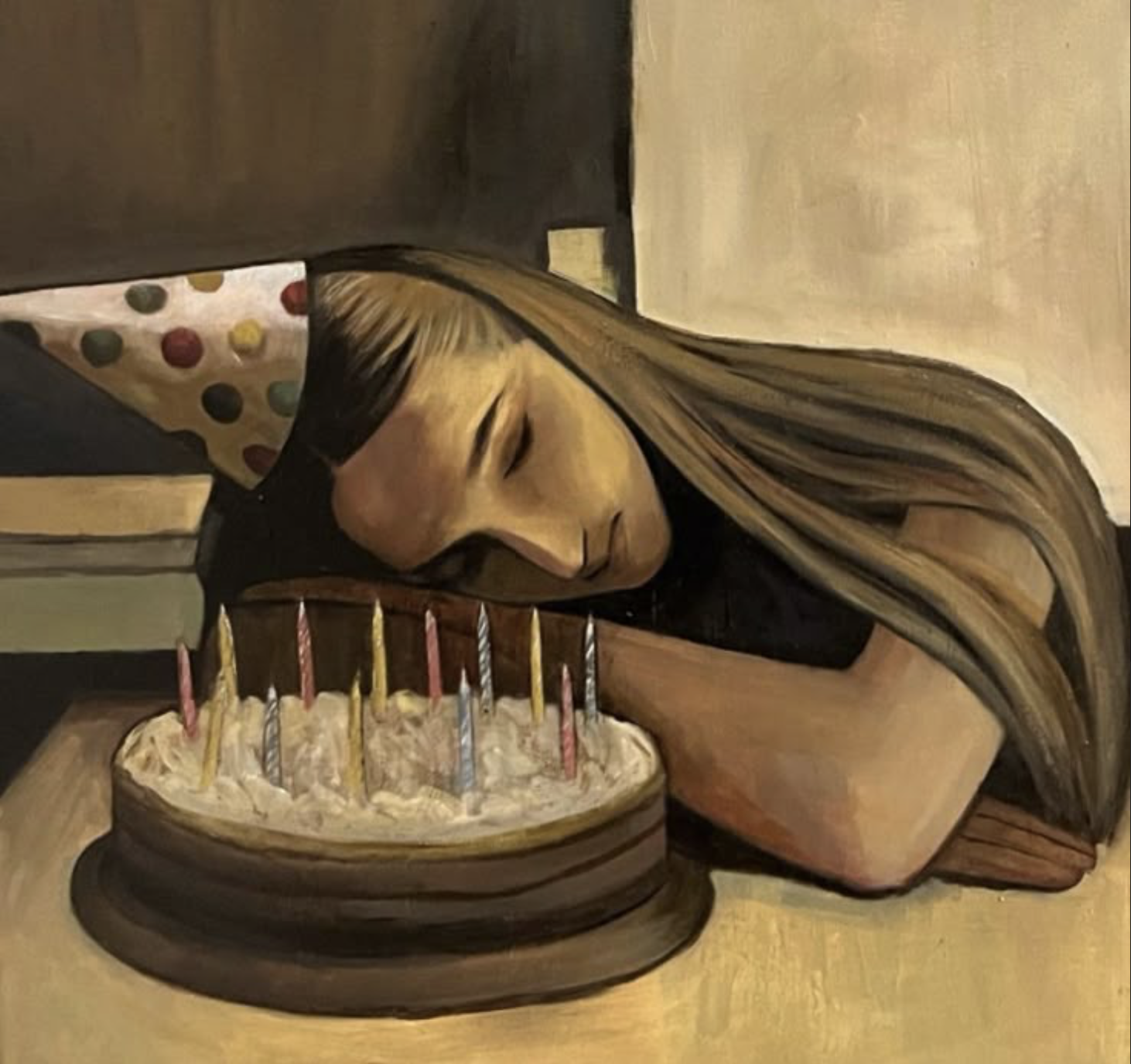
Photo courtesy: Pinterest
And still, it’s often invisible. Some carry the parasite silently for months, even years, before anyone notices - if anyone notices. Others may live the rest of their lives in its grip. After all, only about 50% of those infected are cured.
But this parasite doesn’t only thrive inside people, it thrives in culture. Entire industries and people profit from our insecurities, or what we are told to fix.
They feed the parasite, making it stronger and more resilient.
Zero calorie beverages, juice cleanses, filters, and clothing brands inclusive to one body type don’t want the parasite to die.
Influencers across all social media platforms popularize “low-calorie” and “metabolism boosting” recipes and toning workouts in hopes of gaining more followers. They mask themselves as shining examples, or even worse, role models.
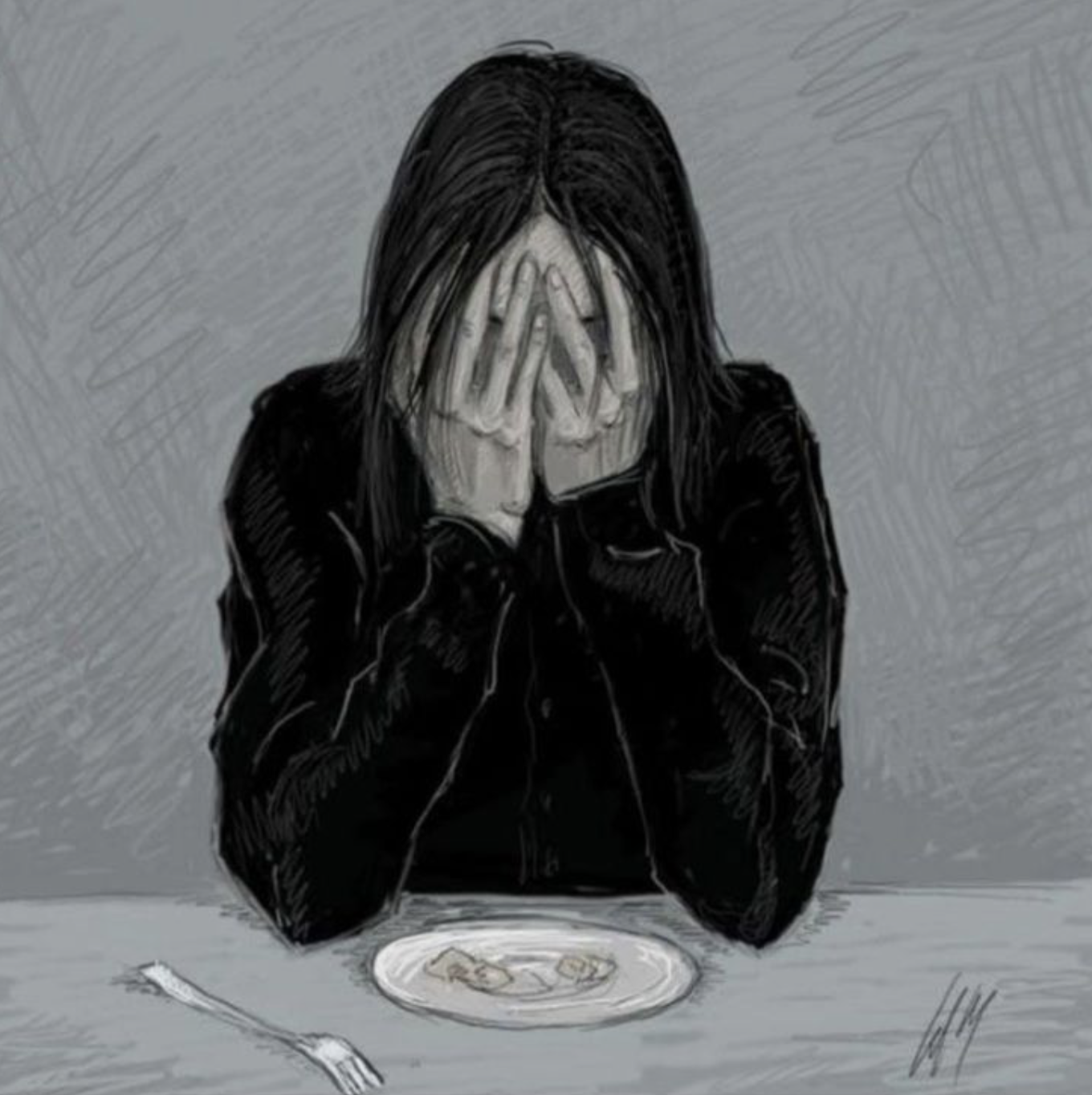
Photo courtesy: Pinterest
This culture cloaks the illness as beauty and routine. But the reality is far from pretty.
Eating disorders are not enviable, and they are far from harmless. They are parasites that steal joy, destroy health, and consume entire people.
So please, before you let a “harmless” comment slip, remember that the real beauty standard is the one that profits by keeping us sick.
If you or someone you know is struggling with disordered eating, contact 1-866-662-1235 or visit https://www.allianceforeatingdisorders.com/.
Strike out,
Writer: Shaine Davison
Editor: Hailey Indigo
Shaine Davison is an editorial writer for Strike Magazine GNV. You can find her doing work at almost any coffee shop near UF, spending way too much money on caffeine. You can reach out to her on Instagram @shainedavison, or by email at s.davison@ufl.edu.
